Skip to content
A complete guide with insights into caring for the Variatus Platy fish species as a beginner hobbyist, including tips for successful breeding and key differences with other Platy fish species.
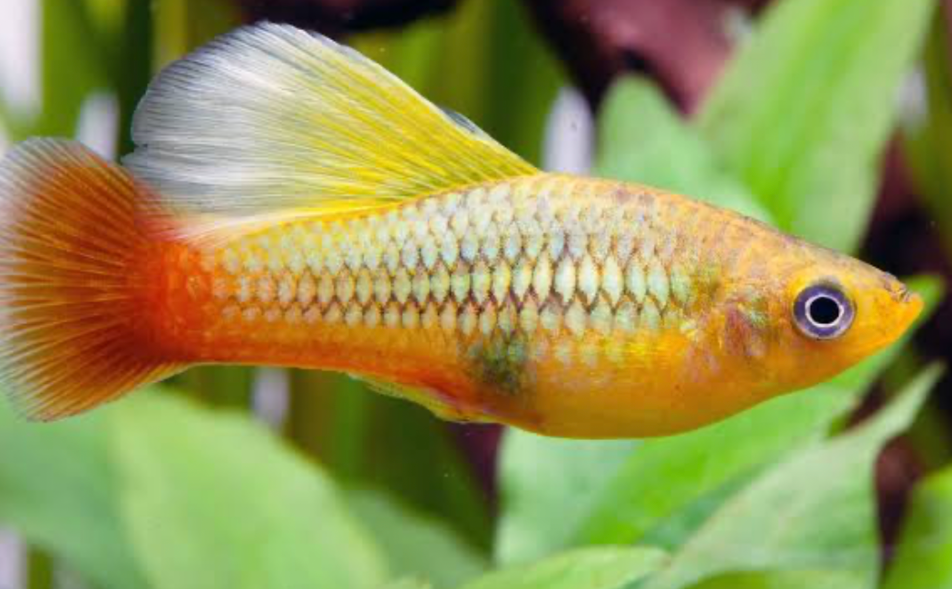
Variatus Platy Care Guide: The Hardiest Platy for Cooler Community Tanks
Many hobbyists are missing out on the fantastic features and characteristics of the Variatus Plty fish because it’s a hardy beginner fish.
Variatus Platy, scientifically called X. variatus, is the toughest Platy species to manage, but caring for it is a rewarding experience. By focusing solely on the specialized Variatus Platy care requirements, you risk missing out on a really lovely pet.
With this cool-water livebearer fish species, you can build an aquarium community with species that thrive in cooler temperatures. Variatus Platy also has a different appearance from the common Platy’s regular features.
Author’s Note: Check out our post on the 13 Types of Platies That Are Perfect for Beginner Aquarists for an in-depth overview of the wide variety within this species!
Keep reading this guide for details on managing this hardy fish’s care like a pro.
Variatus Platy Scientific Name, Origin & Classification (Xiphophorus variatus)
Before getting deeper into the essentials of the Variatus platy fish species care, let’s review its broader classification to understand its origin.
Scientific Name and Classification
Variatus Platy’s scientific name, Xiphophorus variatus, or X. variatus, is a combination of its genus and species.
Xiphophorus is a Greek word meaning “sword,” referring to this fish’s swordlike tail fin. In contrast, variatus means “variable” and refers to this species’ unique differences from X. maculatus, the standard Platy.
Other relevant scientific classifications for this fish include the following:
- Phylum: Chordata due to its dorsal spinal cord.
- Class: Actinopterygii, which contains all ray-finned fishes.
- Order: Cyprinodontiformes because they have toothcarps.
- Family: Poeciliidae for being livebearers.
Origin and Natural Habitat
Xiphophorus variatus isn’t a hybrid strain but a pure-bred Platy fish found in the Atlantic drainage slopes in the Northeastern region of Mexico, which is colder than the tropical region of Central America that houses the standard Platy fish.
Being endemic to the cooler waters of Mexico makes the Variatus Platy fish species hardy and more tolerant of temperature drops than the standard species. In fact, they have more differences than similarities with their counterpart species. Think of them as cousins rather than siblings, and it’ll all make sense.
Variatus vs Southern Platy: What’s the Difference?
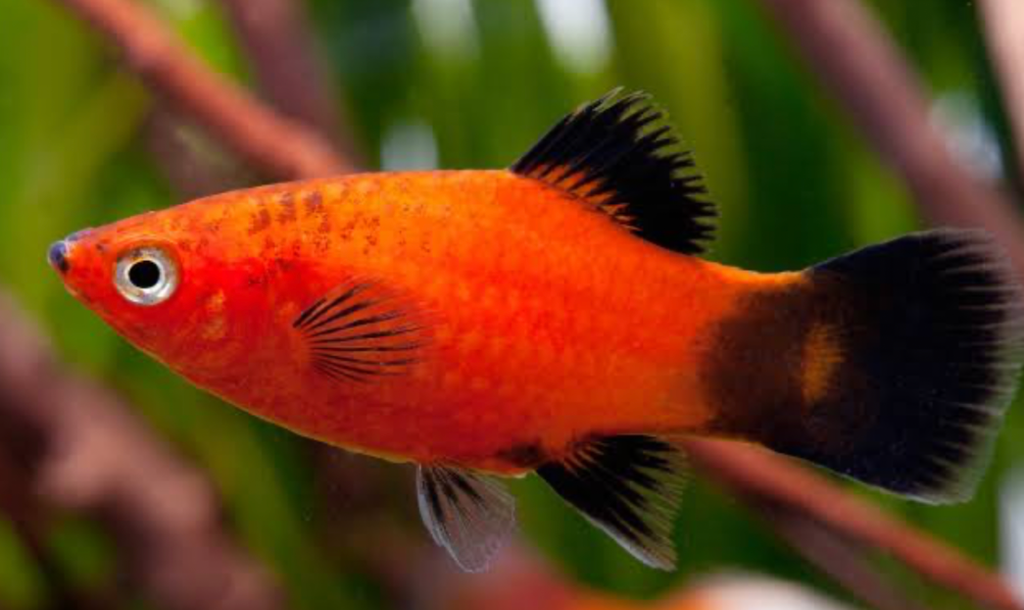
A detailed Variatus and Southern platy comparison would give you a better understanding of the X. variatus species, and what makes it truly special, so here it goes.
Variatus Platy vs Platy (Southern Platy)
Between the Variatus Platy species and the common Platy species, the major differences lie in their appearance and environmental tolerance.
If you’re wondering what that means and how it works, here’s a clear table that shows their individual characteristics and highlights their core differences.
| Variatus Platy | Southern Platy |
| Slender, pointed, and elongated body | Rounded, compact, and deeply curved body. |
| Growth Capacity of up to 2.8 – 3 inches | Maximum growth capacity of 2.5 inches. |
| Cool temperature tolerance between 70 – 78F | Warm temperature tolerance between 72 – 82F |
| More soft dorsal fin rays between 10 – 12 | Less soft dorsal fin rays between 7 – 9 |
| Naturally resides in high altitude waters | Naturally resides in low-land waters |
Basically, this beginner fish comparison chart shows that aquarium-keeping for these species differs significantly. For one, Variatus Platy fish thrive in cooler temperatures without extra heating, and housing them in a single community increases the risk of crossbreeding.
Why Variatus Platies Are Better for Cooler Water Aquariums
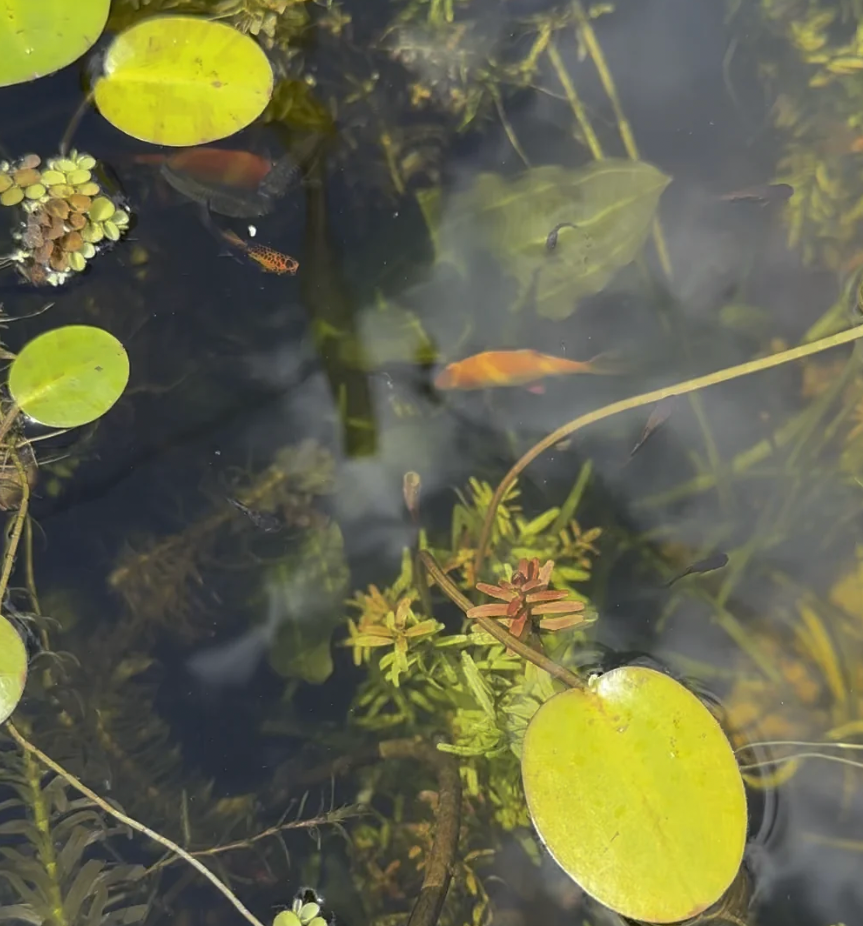
Let’s discuss more about why this cold-water Platyfish survives and thrives in unheated tanks and outdoor ponds during warm seasons.
Outdoor Ponds Over Heated Tanks
If you could ask your Variatus Platy species to choose a preferred aquarium enclosure, they’d pick an outdoor pond over a heated tank, especially in the Summer and early Fall.
Being in a pond encourages this species to graze for food and mate naturally without external prompts. They’re also less likely to react to temperature drops throughout the day, unlike X. maculatus, which’ll get sick and develop ich and stress from fluctuations.
Why They Love Cool Waters
As a mountain-stream descendant, this cool-water livebearer needs an environment that mimics the weather of the high-altitude region for it to feel normal.
In the cool-water environment, their metabolism runs at a natural pace, whereas excess heat would speed it up and cause internal organ distress in your pet.
Being able to survive naturally in these conditions makes the Variatus species a hardy Platy fish. Beyond its hardiness, though, X. variatus is a physically stunning species as you’ll now see.
Author’s Note: Check out our post on The 22 Best Cold Water Fish (OK Without an Aquarium Heater) for an in-depth overview of the wide variety of species perfect for colder tanks!
Appearance, Color Types, and Popular Strains
Like other Platy species, the Variatus Platy’s colors vary with its development and natural habitat.
Variatus Platy species found in the wilds of Mexican mountain streams are often silvery olive-brown. These colors help them blend into their environments and stay hidden from predators. But in the aquarium trade, you’ll find the more colorful, selectively bred variants like the Gold Variatus Platy, rare blue-green strains, and fancy strains with dramatic fin variations.
Gold Variatus Platy
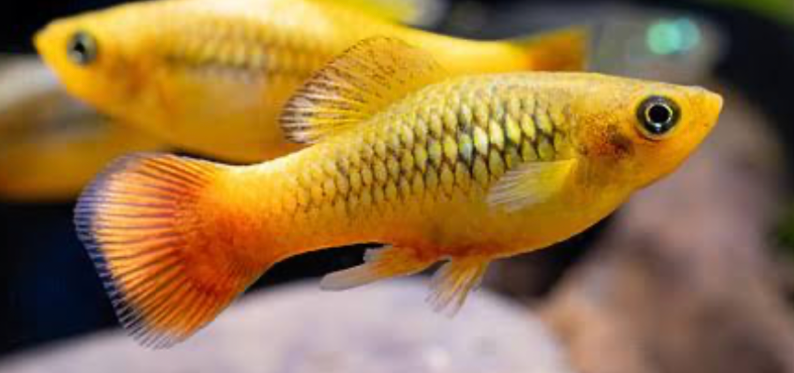
The Gold Variatus Platy goes by two other names, including Sunburst Platy and Orange Variatus Platy, because each fish has a unique variation of this color. There’s no pattern or gradient on this variant, but a vibrant monochrome color selectively bred for a striking impression.
Sunset Variatus Platy
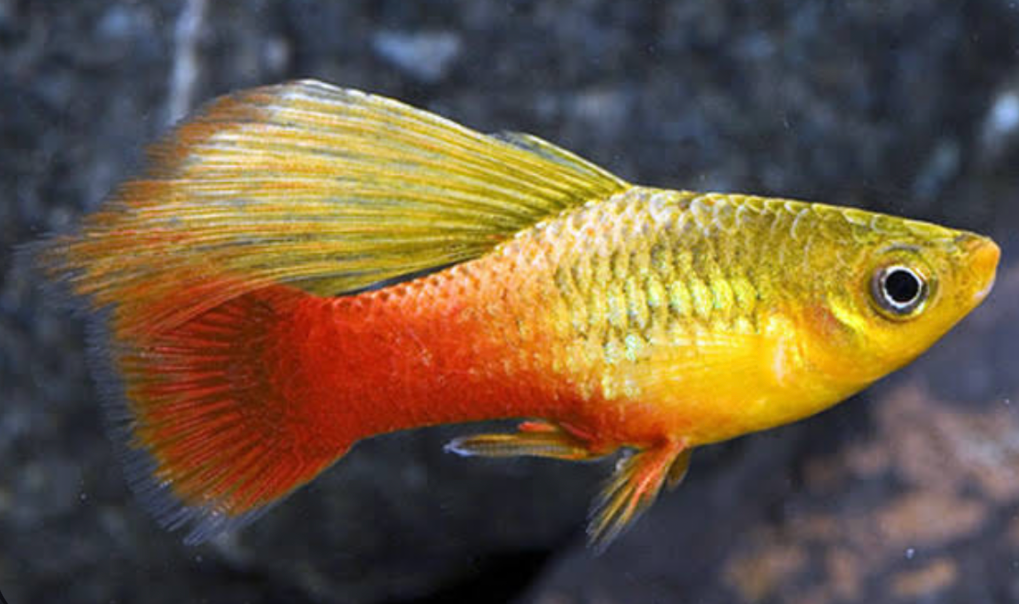
Sunset Variatus Platy species are the most popular and hobbyists’ favorite color morph because of their vibrant, rich colors.
This morph features horizontal yellow lines across the fish’s body, starting at the head, that blend into a fiery red hue around the middle and end in a sharp orange tail.
Hawaii Variatus Platy
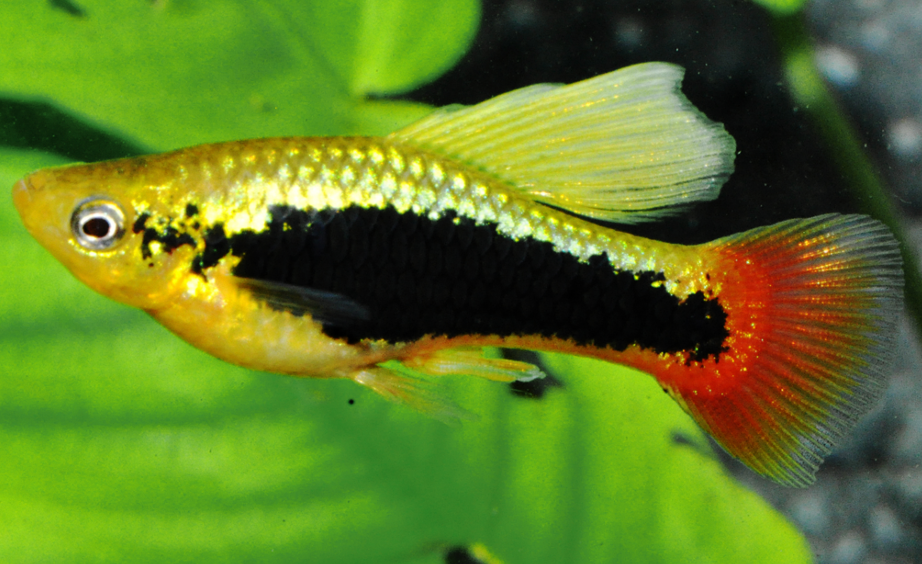
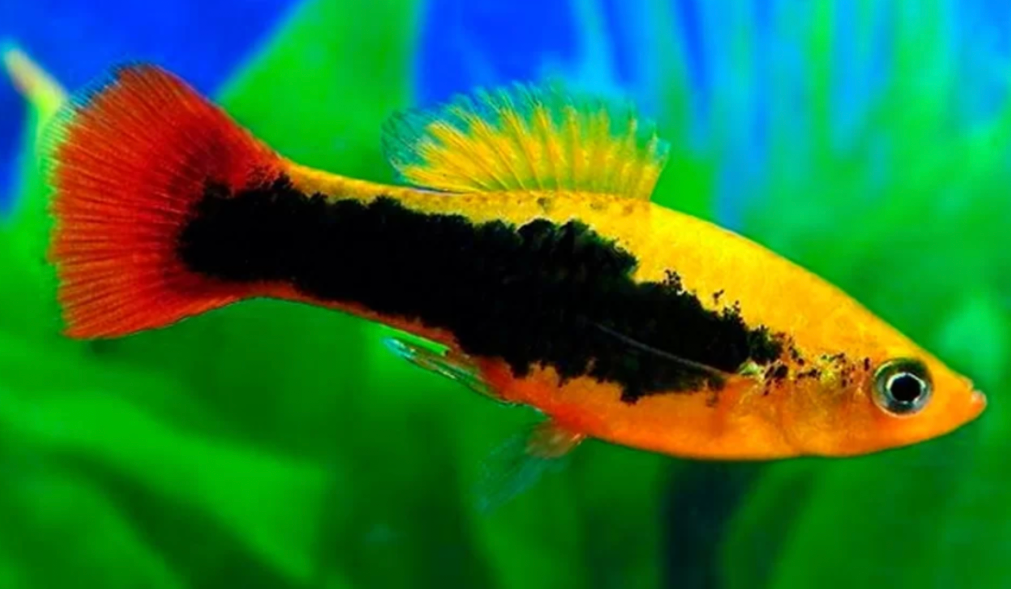
With the Hawaii Variatus Platy, you’ll get a two-toned reddish-orange or orangish-red upper body blended into a deep black lower body and tailfin to create a sharp contrasting color morph.
Redtail Blue Variatus Platy
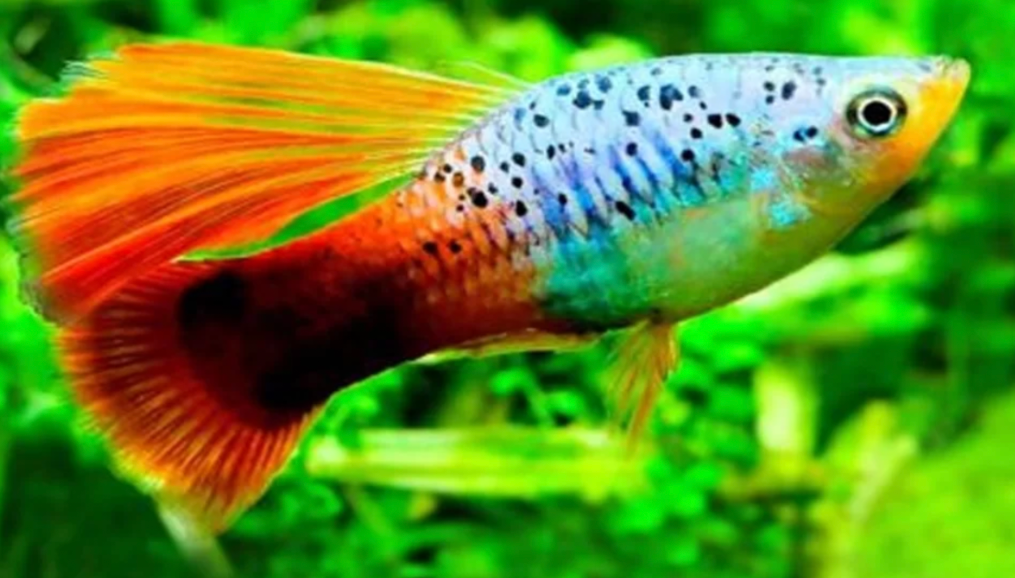
Another tri-color Variatus Platy color morph that’ll stop you in your tracks is the redtail blue Variatus Platy. This color morph has a bold yet soft blue body, overloaded with a yellow dorsal fin and a fiery red tailfin.
Metallic Green Variatus Platy
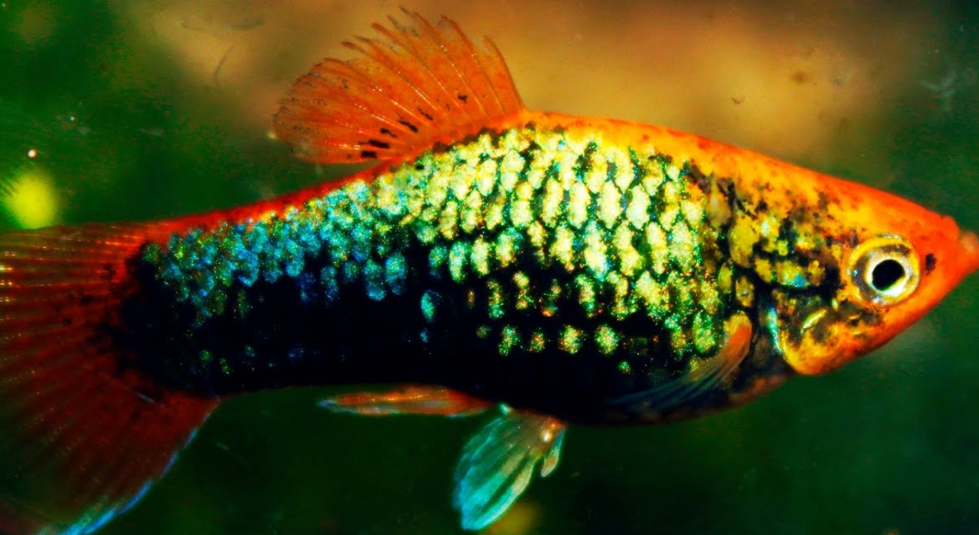
No, it’s not another name for the wild Variatus Platy, but a rare color morph in which the fish has a subtle yet vibrant green metallic sheen. The green color on this morph may sometimes appear as a turquoise or teal shade with an iridescent highlight under fluorescent or LED lighting.
Author’s Note: Check out our post Best LED Aquarium Lighting Units for Your Gallon Tank Capacity for an in-depth review of the best options for lighting!
Adult Size and Lifespan
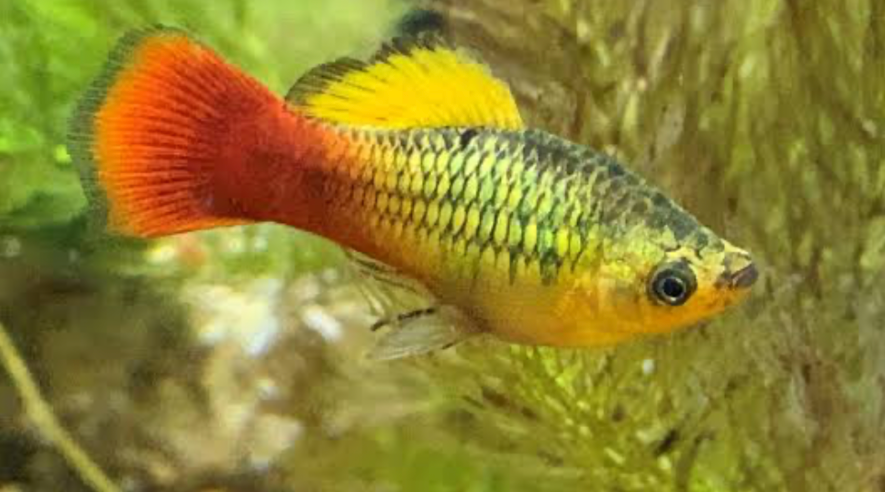
Variatus Platy species isn’t always the first choice for beginner fish keeping due to its advanced care needs, but once you figure that out, handling this fish gets easier.
An average platy fish’s lifespan stretches between 2 and 4 years, while the Variatus Platy’s lifespan can last up to 5 years with excellent care. This means you must provide an optimal environment with mountain-altitude temperatures and pristine water for them to live long, healthy lives.
Another reason Variatus Platies live longer than standard Platy fish species is their size. An average adult male Variatus Platy size is about 2 – 2.5 inches long, and the female grows 2.8 – 3.0 inches long. Meanwhile, standard Platy species have a maximum size of 2.5 inches.
Differences in Platy sizes affect the tank setup for each species if you’re aiming for comfort.
Best Tank Setup for Variatus Platies
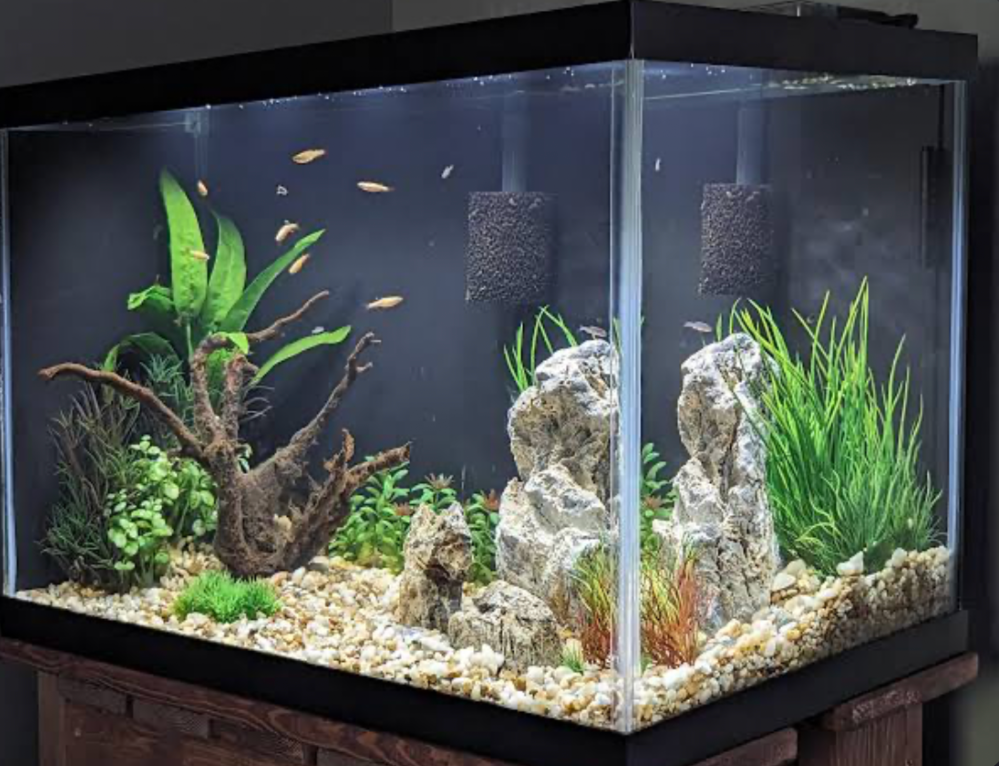
An ideal Variatus Platy tank setup is one where the enclosure and environment mimic the high-altitude mountains of Central America and Mexico, where they originate.
The Tank Enclosure
Because this fish is larger than the standard species, the minimum Variatus Platy tank size is 20 gallons per small group of four or five.
If you have the space, it’s even better to keep this fish species in an outdoor pond, and during winter seasons, you can move them into an enclosed tank.
Aquascaping and Internal Features
Variatus Platy species will thrive in a planted livebearer aquarium with smooth caves, rocks, and an open swimming area. The hiding spots would keep them safe when they need to retreat, while the open space would support their love for active swimming.
You don’t need a heater in this setup, but you need a thermometer to monitor the temperature changes and a strong filter to keep the water clean and pristine.
Keeping the water clean in a tank with the Variatus Platy fish species is harder than in tanks with regular species because they release higher bioloads.
Water Parameters and Temperature Range
Remember that this species thrives in cooler water conditions, so the ideal Variatus Platy temperature is way below the average temperature level for standard Platy species.
Set the following Variatus Platy water parameters to ensure your pets live long, healthy lives.
- Temperature: 70 – 78°F
- pH: 7.0 – 8.0
- Hardness: 7 – 26 dGH
To properly manage your Variatus Platy’s water conditions, always make consistent water changes of about 25% – 35% weekly.
It’ll keep the water clean regardless of the excess bioload your pets produce.
Diet and Feeding Recommendations
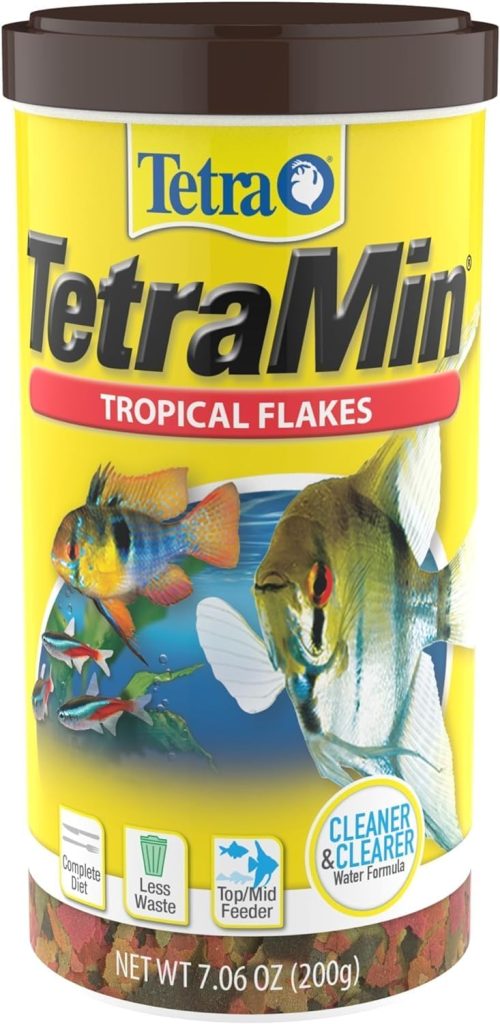
TetraMin Tropical Flake Food (Left)
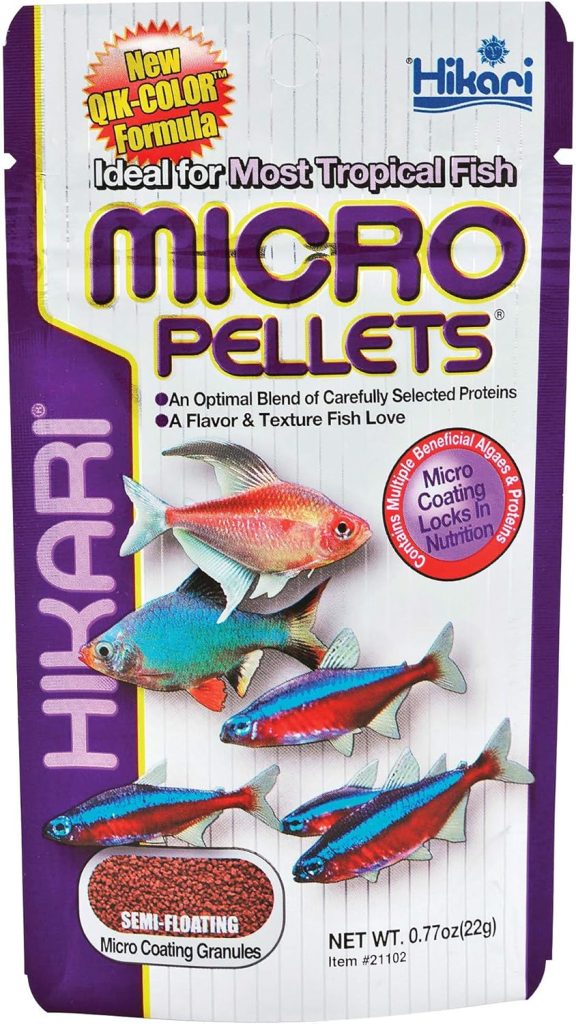
Tropical Semi-Floating Micro Pellets (Right)
The Variatus Platy fish species is an omnivorous pet, so it eats standard Platy fish food, including high-quality flakes or pellets, plant-based foods, and animal-based sources. Note, however, that the Variatus Platy diet must be a healthy mix of protein-rich and plant-based foods and not just random meals served on a whim.
Add protein sources such as bloodworms, brine shrimp, and daphnia as supplements to strengthen their bone structure. At the same time, vegetables like spirulina and algae provide fiber to aid digestion and help move waste through the system.
Recommended Feeding Schedule
Variatus Platy fish are voracious feeders, and they love grazing lazily, so you must restrict their diet to a strict schedule to keep them from overfeeding.
Here’s an ideal Variatus Platy feeding schedule to follow:
- Feed them in small portions by measuring quantities they’ll finish within 2 minutes
- Feed the adults once or twice daily and the juveniles three to five times daily.
- Remove uneaten food after each schedule.
Author’s Note: For more on feeding your aquatic pets check out The Ultimate Guide to Fish Food: Pros and Cons & Best Choices!
Tank Mates and Community Compatibility
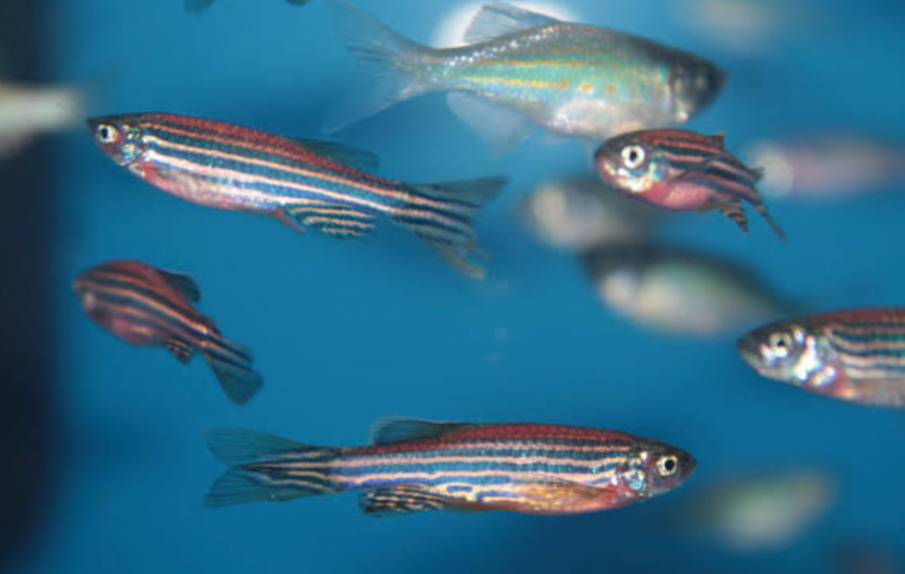
Living with compatible and peaceful livebearers like themselves is the most underrated way to extend your Variatus Platy’s lifespan and health. It keeps them engaged and socialized without causing stress from predatory or weak species.
Before selecting tank mates, take a community fish compatibility test by comparing needs, appearances, and personalities. Choose species that have similar personality traits and social needs and can thrive in the same environmental conditions.
Some Variatus Platy tank mates that pass the test include Danios, Tetras, Endler’s, and Guppies. You can also add bottom-dwellers like Corydoras catfish to add diversity. Avoid aggressive fin-nippers like large cichlids, tiger barbs, and Bettas.
Breeding Variatus Platies
Successful Variatus Platy breeding is the final stage in achieving experienced fishkeeping status, as bringing new fish life into the world requires skill and dedication that not everyone possesses.
Variatus Platy species are prolific livebearers who deliver free-swimming fry without going through the egg stage.
Follow these essential livebearer fish breeding tips to ensure you achieve success.
- Select healthy parents as your breeding pair and maintain a ratio of one male to two or three females. Scroll up for tips on identifying male and female Variatus Platy fish.
- Set up your breeding tank with dense vegetation, water filters, and hiding spots for the fry.
- After mating, remove the male from the breeding tank and watch the females. They’ll develop gravid spots on their lower belly as a sign of pregnancy.
- Gestation lasts about 28 to 30 days, after which your pets will deliver over a dozen Variatus Platy fry in batches. Remove the females from the tank after delivery to keep them from eating their offspring.
- Feed your Variatus Platy fry finely crushed flakes and infusoria about 3 – 5 times daily in their early days. As they develop, you can increase their diet to include protein-rich foods.
- Maintain a pristine environment by making daily 20% water changes.
Once your Variatus Platy fry matures, you can return them to the main tank.
Conclusion: Is the Variatus the Best Beginner Platy Species?
Although the Variatus Platy species is a hardy beginner fish, it’s not always the best option for inexperienced hobbyists unless you’re ready to put in the work required for its maintenance. Choosing the Variatus Platy as a beginner platy species means you’re ready to provide round-the-clock care for this pet, starting with its daily meals and supporting environment.
In that case, this species is an excellent beginner fish, and this Variatus Platy care guide contains all the essentials you need to achieve success, including breeding more Variatus Platy fish species in a home aquarium or outdoor pond.