Skip to content
Add color and vibrancy to your aquarium as a beginner with the two-toned Creamsicle Molly Fish species, popular for its ease of care and social nature. This post teaches you everything you need to know.
Creamsicle Molly Care Guide: Bright Designer Molly for Beginner Tanks
Are you looking for ornamental beginner Molly varieties to get started in your hobby as an aquarist? Then you may be interested in the hardy, vibrant, colorful, and popular creamsicle molly fish.
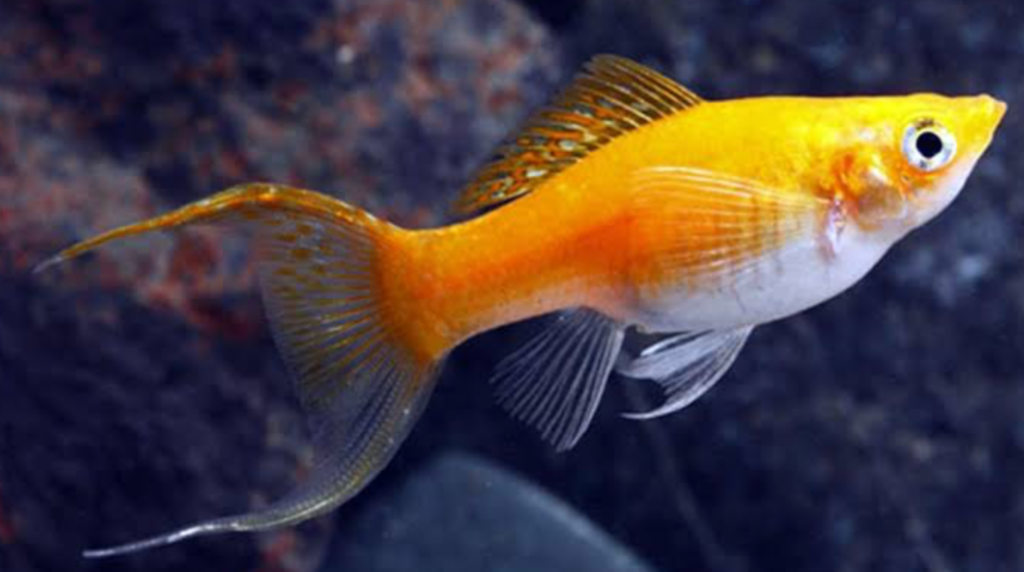
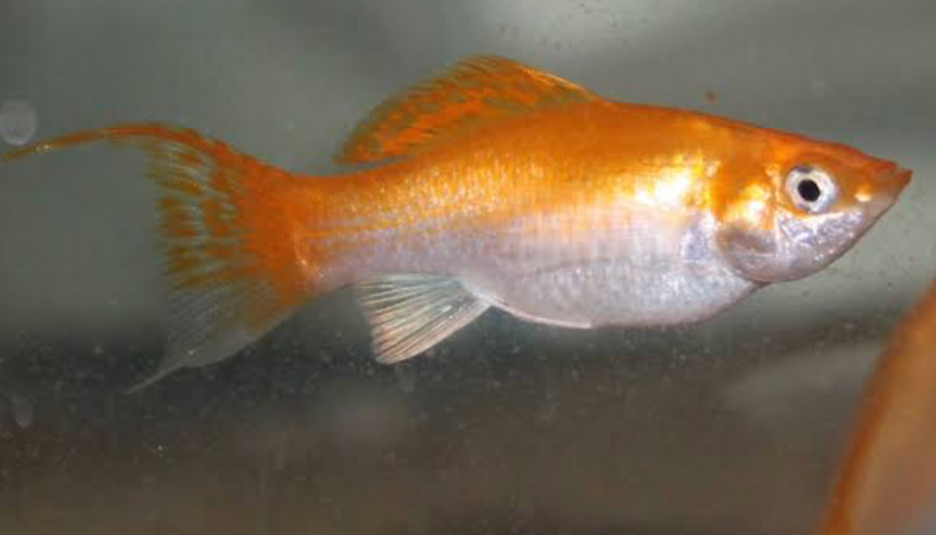
Creamsicle Mollies got their name from their orange-and-white coloration, which resembles an ice-cream pattern. It’s a hybrid Molly species made from selective breeding, and so, it has specialized care needs.
In this guide, you’ll learn basic creamsicle molly care routines for keeping this pet alive in an aquarium. But to best understand your pet’s needs and wants, you must first dive into its history. Understand where Creamsicle Molly fish come from, and how they become popular in aquarium-keeping.
Author’s Note: Check out our post on the 12 Types of Mollies That Make Perfect Beginner Fish for an in-depth overview of the wide variety within this species!
Creamsicle Molly Scientific Name, Origin, and Classification (Poecilia sphenops hybrid)
It’s not all designer Molly fish species that come from selective breeding, but Creamsicle Molly is one of the rare hybrid variants.
Origin and Background
Creamsicle Molly fish is a result of selective breeding of color strains from the common or Shortfin Molly species and the Sailfin Molly fish. These livebearer fish species naturally reside in the Gulf of Mexico, but you’ll find the Common and Shortfin species in Central America, while the Sailfin Molly fish develop in the Southeastern USA waters.
Scientific Name and Classification
Through selective breeding of mollies like Creamsicle Molly fish, aquarists created subvariants that don’t fit into one scientific species. By ancestry, the Creamsicle Molly belongs to the following scientific classifications:
- Order: Cyprindontiformes
- Family: Poeciliidae
- Genus: Poecilia
But when it comes to species, despite being a hybrid, scientists classify the Creamsicle Molly fish as a common Molly species; hence, the binomial name of the ornamental Molly variety became popular in the trade.
Appearance & Coloration
As a hybrid species, Creamsicle Molly sometimes bears colors and a physique similar to those of its ancestors, which makes identification hard for beginners. However, a closer look at this bright freshwater fish will highlight its unique features for easier identification.
Physical Appearance
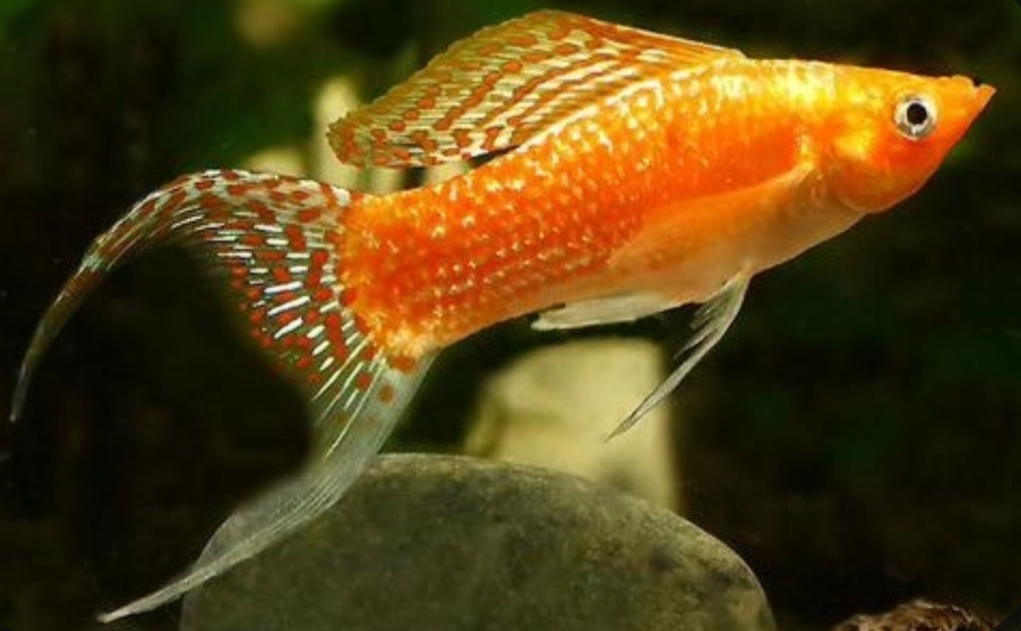
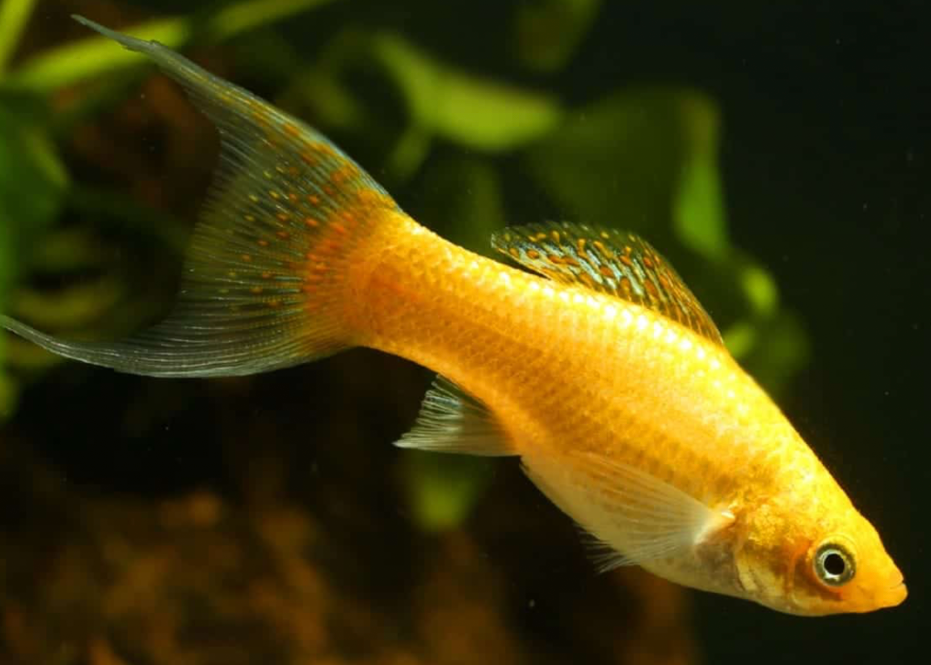
Before exploring the unique, decorative Molly colors, let’s identify this hybrid Molly’s physical traits. An adult creamsicle Molly’s physical traits. An adult creamsicle Molly has a slender body that’s about 3-5 inches long with a unique fin shape depending on the dominant parent hybrid. Sailfin Creamsicle Mollies have a unique, large dorsal fin that stands out more prominently in males, while Lyretail Creamsicle Mollies spot a forked tail.
Coloration and Pattern Variations
The real standout feature of this species, however, is the creamsicle molly color.
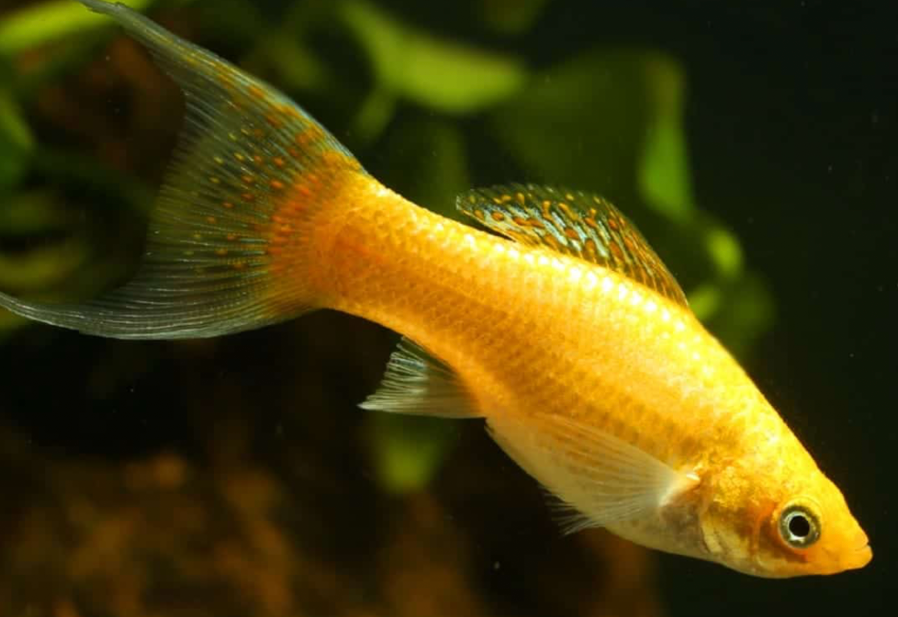
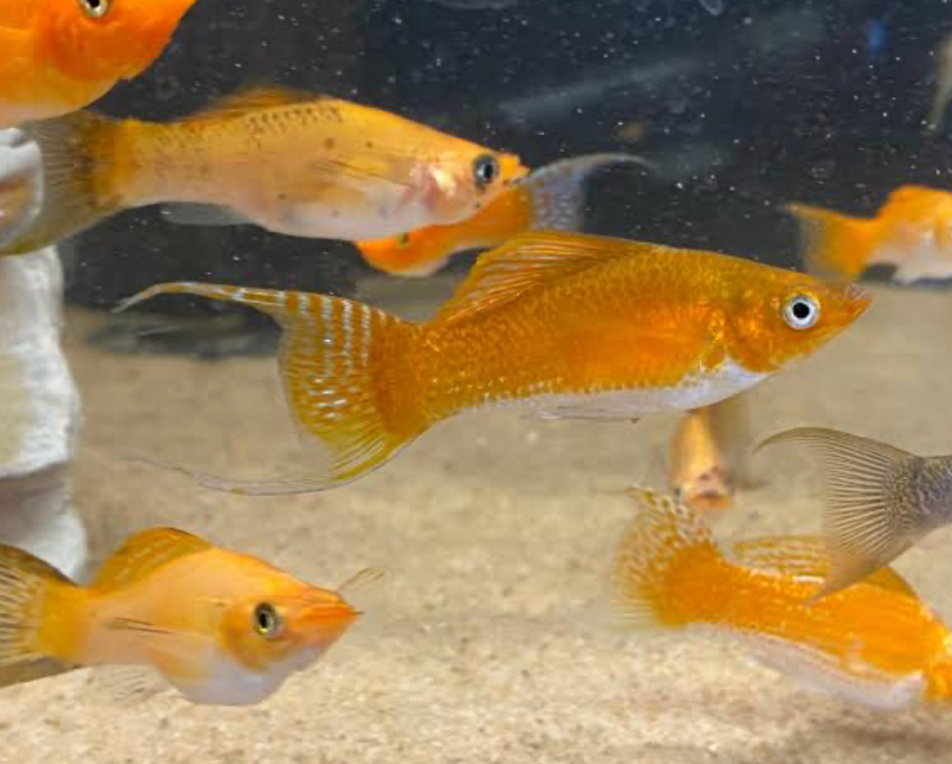
It typically has a white base with vibrant orange patches on its upper body; however, some variants spot different color patterns and variants leading to other subvariants with yellow hues and black specks.
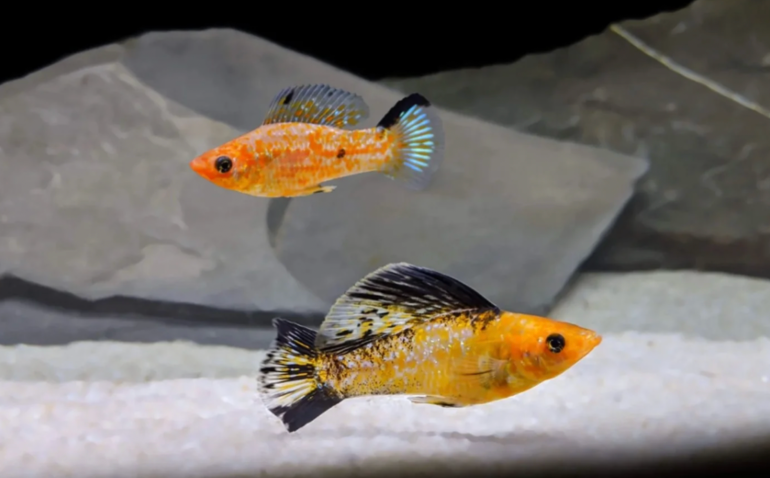
If you see this patterned livebearer fish with a predominantly cream and orange body with black specks on the fins, then that’s a Creamsicle Dalmatian Molly. If it has a deep orange glow that’s almost golden yellow. Then that’s the Sunburst Creamsicle Molly.
There’s also a rare variant with dark streaks on their cream and orange bodies instead of the dalmatian blotch. This color variant is called the Creamsicle Harlequin.
Tank Setup
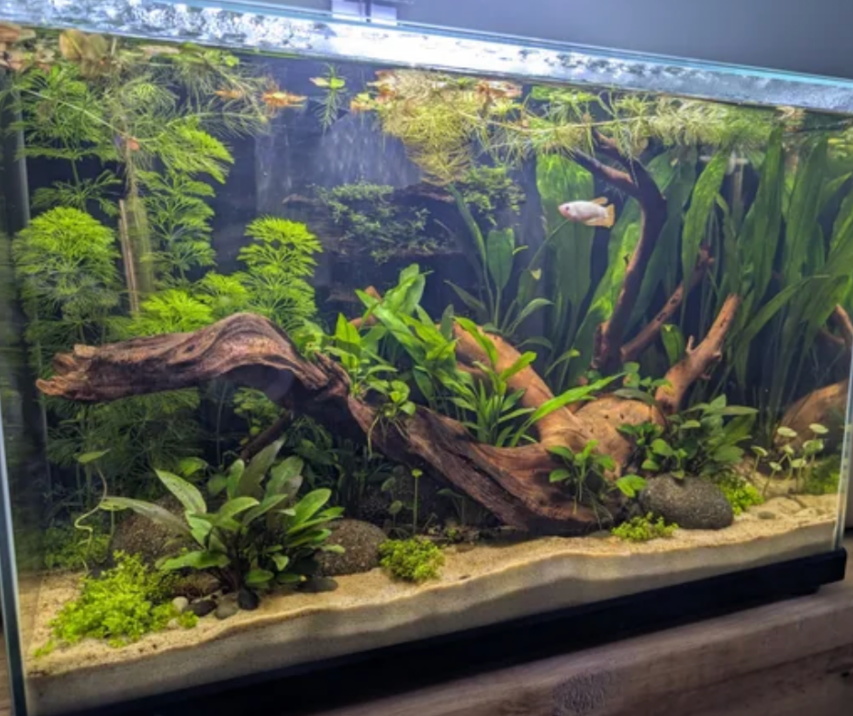
Due to their size resembling that of the common molly fish, this beginner aquarium setup would be similar to a classic livebearer habitat with slight modifications. You must include features that mimic this livebearer fish’s habitat to give your pets a comfortable environment outside the wild.
Tank Size
Step one in creating your creamsicle molly tank setup is to choose the right enclosure size. As a small fish with sometimes large fins, this species needs about 20-30 gallons of water per group of 4-6 to survive.
Expert aquarists can manage tanks made in different geometric shapes, but for beginners, it’s best to use a long tank. Long and wide tanks allow easier movement for your Creamsicle Molly and provide more room for aquascaping.
Aquascaping
As active swimmers, Creamsicle Mollies need open swimming areas in the tank. However, this should not stop you from building a classic planted molly tank.
Start the aquascaping design from the bottom to the top by layering the floor with fine sand or smooth gravel substrates. They’re gentle on the scale and allow for burrowing when necessary.
Add live aquatic plants such as Water Wisteria, Anubias, Hornwort, and Java Fern to create hiding spots, as they do in their natural habitat.
Creamsicle Mollies don’t like bright lights, so you’ll need a tank lid or floating plant species such as Frogbits and Water Sprite to reduce the effect of direct lighting reflecting in the tank. Add some smooth rocks and driftwood to complete the Mexican river aesthetics, and you’re good to go.
Water Filling
Once the aquascape is ready, you can fill your tank with warm water. But only do that after adding a high-quality filtration system to regulate the water pressure and keep the tank clean.
Keep a slow to moderate flow like the river, and change 25% of your tank water weekly for pristine conditions.
Water Conditions
Getting the ideal Creamsicle molly water parameters is essential to completing your pet’s new habitat. Because it affects their physical and emotional health, this species needs warm water with slightly alkaline conditions, as it’s a hardy aquarium fish.
You must meet the normal standards of tropical fish water needs while also considering the Creamsicle Molly’s uniqueness.
For warm water, ensure that the temperature is about 75 – 82F daily by using a tank heater with an aquarium thermometer for scheduled measurements.
Stabilizing Water Conditions
Maintain stable freshwater conditions to prevent stress in your pets. You can use a hang-on-back filter for a small to medium-sized tank or a canister filter for larger tanks. The filter also keeps the water clean after feeding time because Creamsicle mollies generate high amounts of waste.
Diet & Feeding
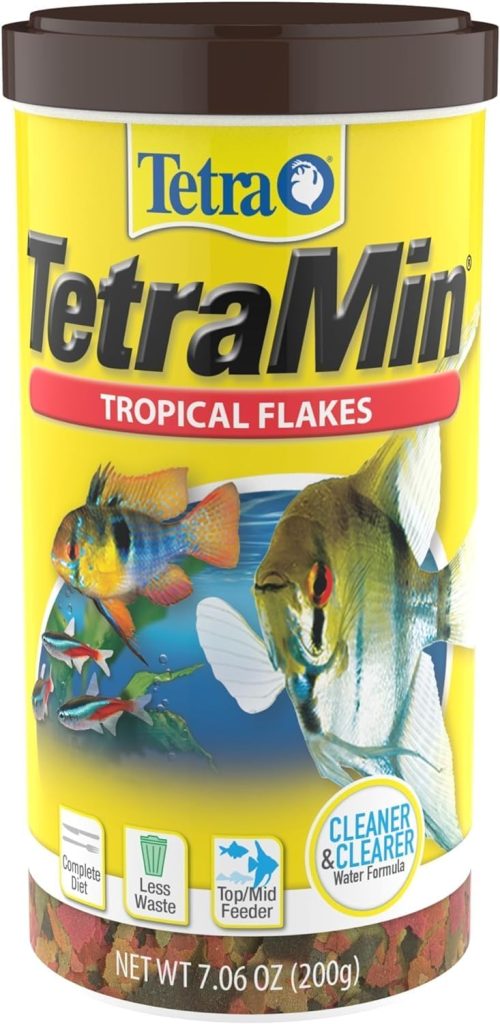
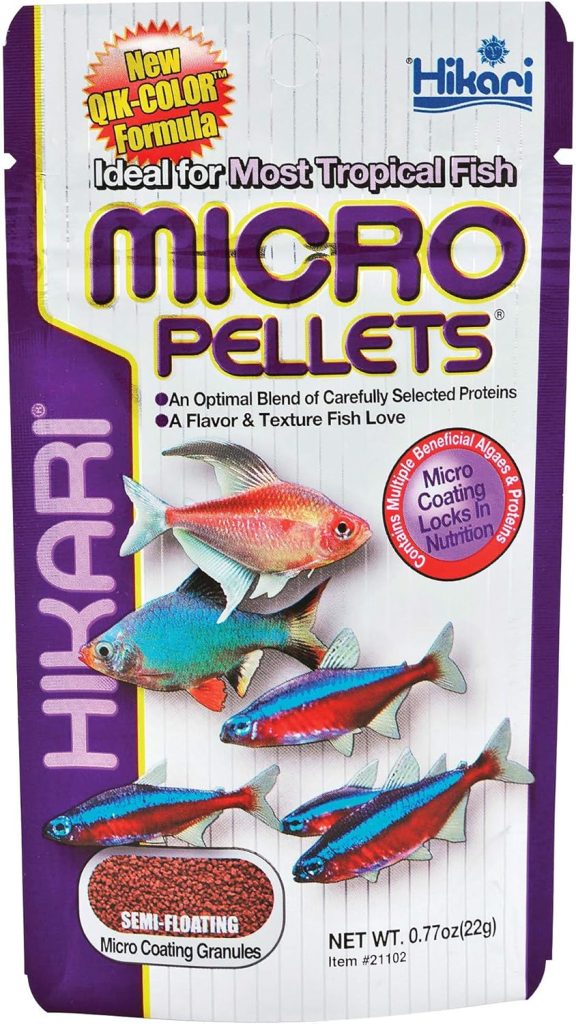
TetraMin Tropical Flake Food (Left)
Tropical Semi-Floating Micro Pellets (Right)
You need to provide your Creamsicle Mollies with balanced aquarium nutrition to ensure they stay in optimal health and live as long as possible. They’re an omnivorous species, so they eat all kinds of foods, from plant-based to animal-based, but they prefer plants.
Prepare enough algae and vegetable foods for mollies to keep them active and maintain their vibrant colors. Use a two-step creamsicle molly feeding plan to cater to all their needs. A vegetable-rich diet with foods like Spirulina, algae wafers, and blanched spinach will aid digestion, while color-enhancing foods like high-quality molly flakes and pellets would boost their coloration.
Author’s Note: For more on feeding your aquatic pets check out The Ultimate Guide to Fish Food: Pros and Cons & Best Choices!
Feeding Schedules
As an algae-eating fish, Creamsicle Mollies thrive in planted tanks that can generate natural algae growth. However, if you don’t have enough plants in their habitat, feed your Creamsicle Molly with agae-rich foods at least 2-3 times weekly. Add frozen live foods like bloodworms, brine shrimp, and daphnia as weekly treats to boost growth and encourage successful breeding when the time comes.
To reduce waste, keep your Creamsicle Molly on a portion-controlled diet. Feed them only food sizes they can consume in less than three minutes.
Tank Mates
Naturally, Creamsicle Mollies are schooling fish, but you must be careful of the freshwater tank companions you add to their community. The wrong kinds of fish can become predators of your pets or prey, depending on their size and temperament.
When choosing your creamsicle molly tank mates, look for species that are similarly sized, have similar environmental needs, and share feeding habits and behaviors. Avoid large predators and fin-nippers that’ll bully your pets, but choose peaceful companions that can cohabit without competing.
Some compatible livebearer fish for your Creamsicle Molly’s community include Corydoras Catfish, Rasboras, Danios, and Guppies.
As a rule of thumb, always start your beginner community aquarium with species from the same scientific Order and Family. So, livebearers of similar sizes can thrive in a single tank before considering other species, such as snails and shrimps.
Breeding
Creamsicle Molly breeding requires extra attention and care because this species is a live bearer with frequent fry production. As a livebearer, your pet would not go through the egg stage in the reproduction cycle. Instead, it gives birth to live, free-swimming fry.
If you’re to learn the basics of breeding mollies in aquarium nurseries, then keep reading.
Breeding Tank Setup
Start by setting up a separate breeding tank for your Creamsicle Mollies. A 10-20-gallon tank per breeding pair or group is ideal. Ensure the water conditions are optimal and there are enough plants to provide hiding spots for the fry when they’re born.
Conditioning the Fish
Note that male Creamsicle Mollies are often smaller with brighter colors, large sailfins, and a unique anal fin called a gonopodium. Meanwhile, the females are naturally larger with a fan-like anal fin and rounder bodies.
Choose your breeding pair, trio, or group with a standard ratio of one male to at most three females. It’ll ensure the male spreads its aggression across all females and reduce the risk of territriality.
Increase your pets’ protein diet at least two weeks before mating and increase the water temperature.
Fertilization, Pregnancy, and Gestation
The male Creamsicle molly will chase the females until they’re ready to mate. Then, they fertilize the female fish. After fertilization, the females will get pregnant and go into gestation for about 28-60 days, during which their bellies will become boxy and turn into a dark gravid spot.
At this point, the females may hide within the plants in the breeding tank to rest until they’re ready to deliver their fry.
Fry Care
Female Creamsicle Mollies can birth 20-100 fry in batches, and these fry may inherit mixed colors depending on their parents and ancestors. After birth, immediately remove the adults from the breeding tank to prevent them from eating their young.
At this stage, raising Molly Fry is your responsibility. Unlike their parents, Molly Fry needs more food for good development. So, start them with an infusoria or liquid fry food diet about 3-5 times daily. As they grow older, you can add finely crushed flakes to their diet for more nutrition.
Once your Creamsicle Molly fry starts developing defined mouths, add tiny baby brine shrimps to their diets. After about 6 to 8 weeks, your Molly fry will be mature enough to join the main tank.
That’s a wrap on this beginner fish breeding tip.
Lifespan
With proper care and attention, your creamsicle Molly’s lifespan can extend to 3–5 years in excellent health. But this lifespan isn’t automatic or guaranteed. To ensure this freshwater fish’s longevity, you must take certain health precautions and prepare quick treatments for illnesses.
The rules in this guide are suitable for healthy aquarium fish care, starting from providing the right environment to feeding your Creamsicle Molly with a balanced diet, and keeping it with compatible tank mates.
Note that maintaining a clean water environment prolongs your pet’s health, and whenever you notice stress signs, improving the water condition should be your first call. Other Creamsicle Molly health management tips include:
- Quarantining the affected fish.
- Identifying the kind of illness, whether it’s bacterial, parasitic, or environmental.
- Applying medication to the affected area.
- Visiting a vet for precautionary check-ups or comprehensive and advanced treatments.
When caring for a Creamsicle Molly fish, you must understand that preventive maintenance is better than reactive care protocols, but both work just fine.
Conclusion
Creamsicle mollies bring bright colors into your aquarium community, which is why they’re a popular decorative livebearer fish. But what makes them stand out amongst other beginner molly varieties is their easy care.
You can be a first-time aquarist and handle a Creamsicle Molly fish like a pro if you follow the rules in this guide. What makes it an easy aquarium fish?
- It can survive in small tanks.
- It’s an omnivore.
- It’s a social pet.
- You can handle its breeding easily.
So, if you’re looking for a community tank molly that won’t stress you, is budget-friendly, and would beautify your aquarium, the Creamsicle Molly fish is the right fit for you.