Skip to content
No better experience than the beauty of a group of beginner-friendly, low-maintenance Checkered Barbs in your planted tank. This post is a complete guide to keeping this underappreciated nano schooler fish.
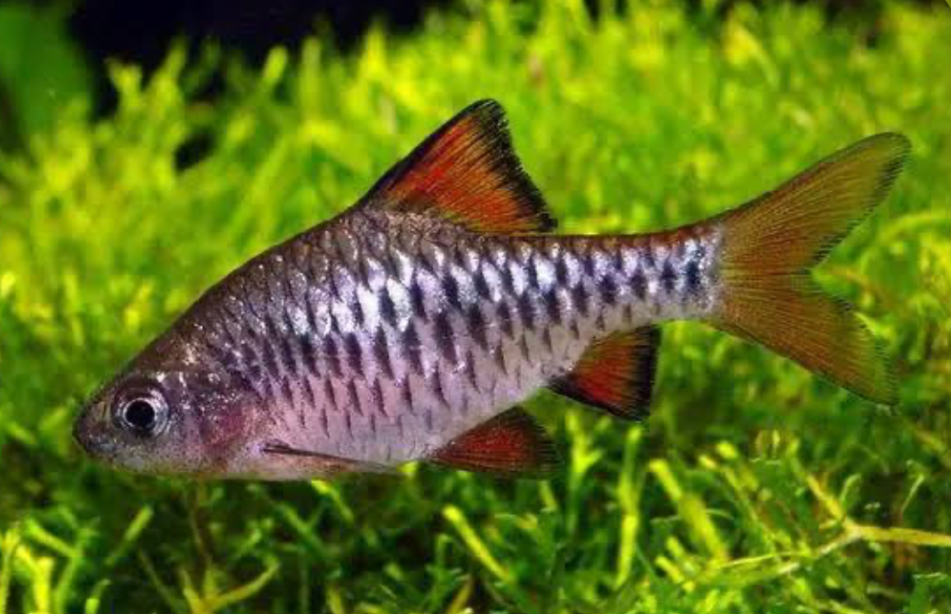
Checkered Barb: Underappreciated Nano Schoolers
Are you looking for an ideal nano community barb with a unique appearance that would stand out amongst other stunners? The checkerboard barb, also called Checker Barb and Oliotius oligolepis, is worth considering.
This Indonesian native has a unique silvery body with scales that resemble a metallic checkerboard, shining against vibrant planted tank aquascapes. It’s a peaceful and sometimes rare species, which leads to mislabeling in the trade.
However, with the tips in this guide, you’ll be able to correctly identify this species and provide optimal checkered barb care.
No matter your aquarium-keeping skills or hobbyist level, you’ll find that basic Oliotius oligolepis care is easy to manage, starting with a deep understanding of its natural origins.
Author’s Note: Check out our post 13 Types of Barbs That Are Perfect for Colorful Beginner Nano Tanks which includes details on even more barbs to choose from!
Natural Habitat & Behavior
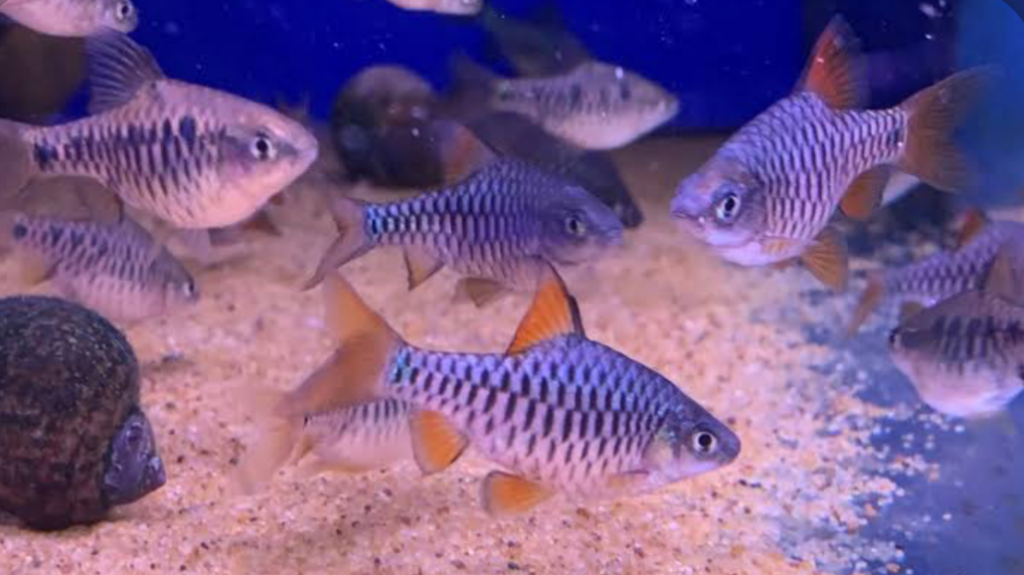
Checkered Barbs have their natural origins in Southeast Asia, but through hobbyists and collectors, they’ve spread around the world. Despite their migration, these pets still exhibit certain behaviors that help identify them and distinguish them from similar-looking species.
Natural Habitat
Checkered Barbs originate from the Southeast Asian streams and rivers in the Sumatra region of Indonesia, although hobbyists also established some of them in Colombia. So, you’ll find the checkered barb habitat in Indonesia and Colombia.
This region has a tropical climate, with lush vegetation and cool water.
Checkered Barb Behavior
Surprisingly, the Checkered Barb is a shy nano fish, unlike most Barb variants. However, when you place a single Checkered Barb in a group of 8 or more similar species, it’ll become more active, engaging, and confident as it exhibits the classic schooling barb behavior.
To enjoy a confident display of Checkered Barbs in your aquarium, ensure you have at least 8 fish per school. Not only would it boost your pet’s confidence, but it’ll also be visually stunning to watch more checkered beauties swimming in unison than a single shy pet.
Appearance & Size
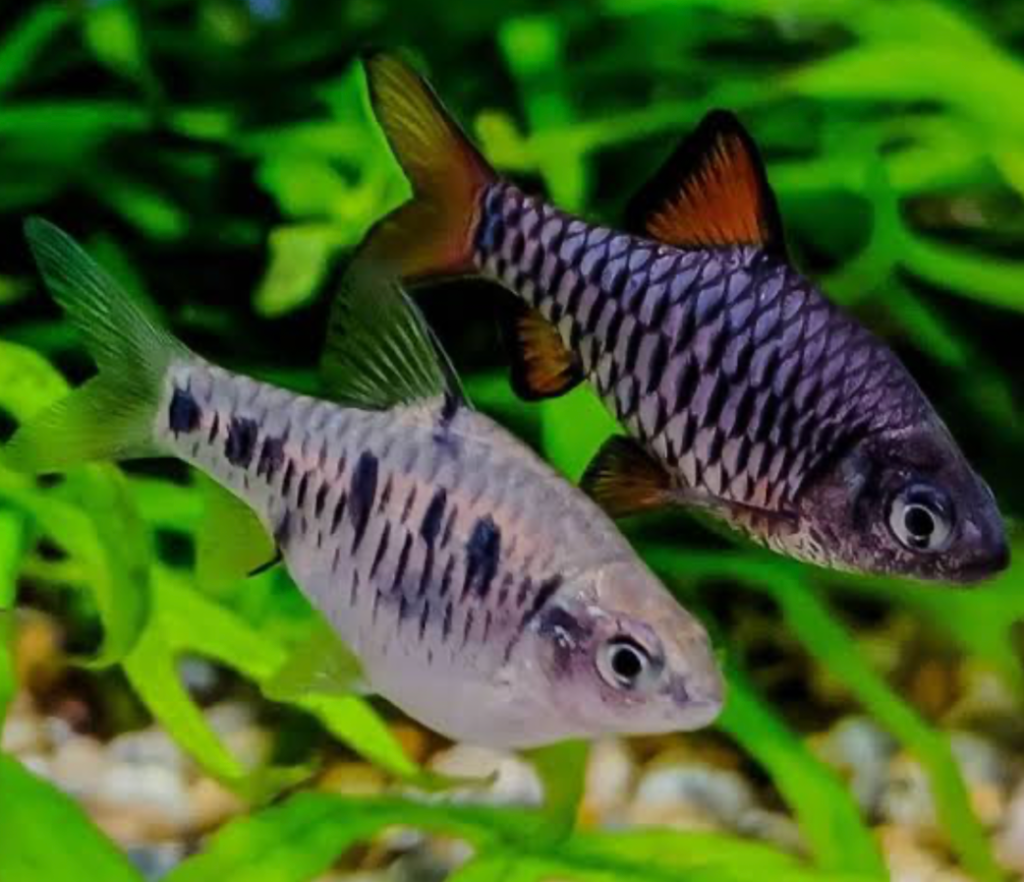
Despite having a unique appearance, most hobbyists, even professionals, often mistake this small, patterned barb for other species. So, here’s a detailed description of its physical appearance, including sizing and color, to help you identify Checkered Barb fish types in a group.
Sizing your Checkered Barb
No matter how old this checkered scale fish becomes, it cannot grow larger than 2 inches, which is why it qualifies as a nano fish. Its average size is 1.5 to 2 inches.
Unique Appearance and Distinguishing Features
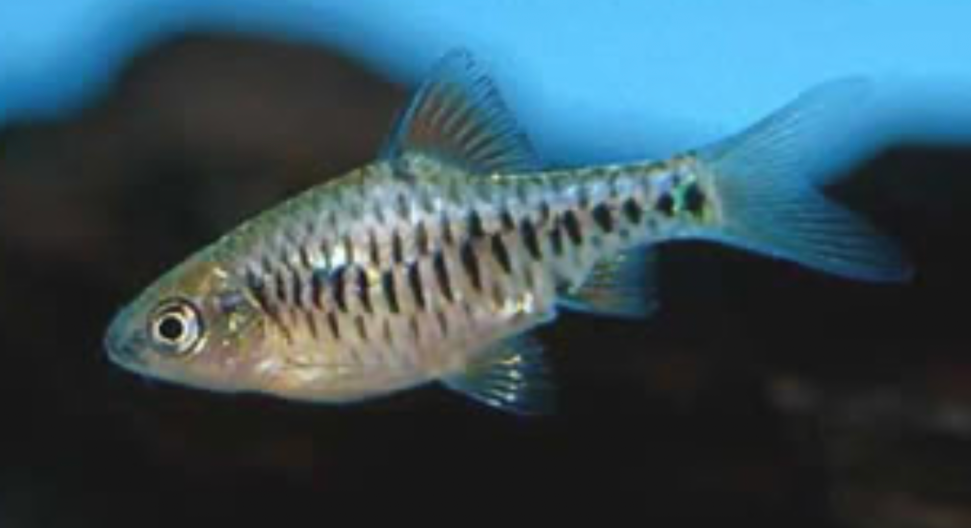
The Checkered Barb has a silvery body with dark, metallic scales that resemble a checkerboard. Its short fins and forked tail fin are a transparent black shade, while its eyes are a vibrant black with a silver ring around the iris.
You can also use its coloration for sexual identification, since male Checkered Barbs develop a unique red tint on their black fins, unlike the females. This vibrant, metallic, silvery-black body creates a strong contrast against dark substrates.
Tank Size & Aquascape
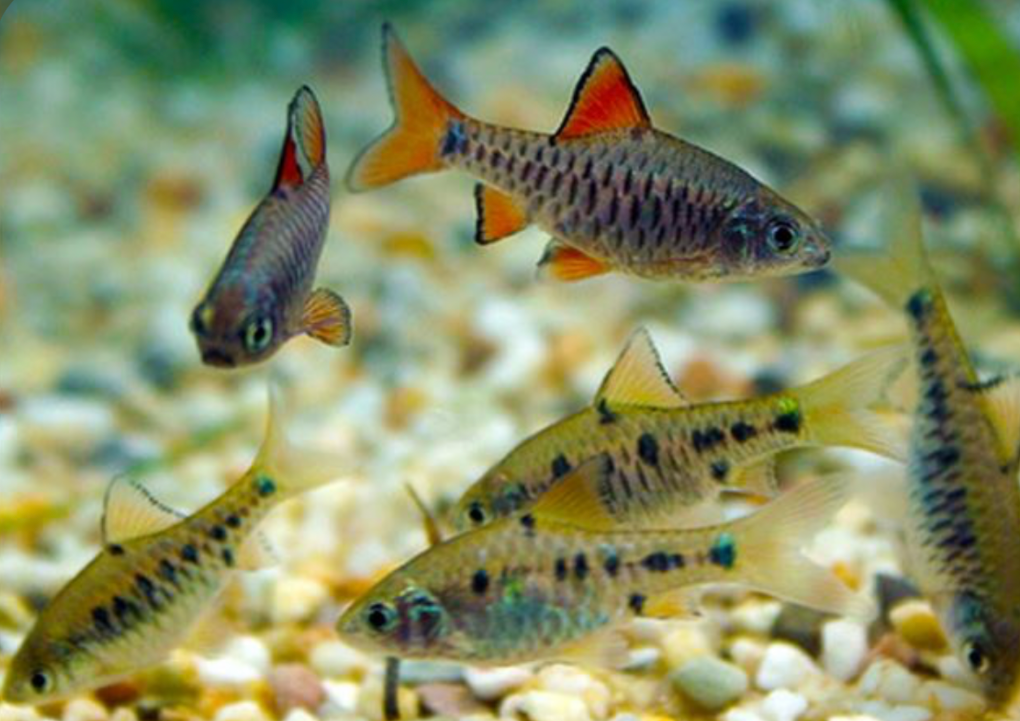
As a nano fish, your Checkered Barb doesn’t need a large space to thrive. However, because it won’t be living alone in its tank, you still need enough swimming room to accommodate a minimum group of 8, with robust planting and gentle flow.
Ideal Tank Size for Checkered Barbs
An ideal Checkered Barb tank size for a small group would hold 10 – 20 gallons of water. These pets, being mid- to low-level swimmers, would also need open swimming areas despite any density in your planted nano setup.
Building a Suitable Aquascape
Just like the tropics where Checkered Barbs originate from, your nano tank needs enough plants to make your pets feel at home. Use smooth, live plants like Java Moss, Amazon Swords, and Java Ferns for your decoration.
Also, add shrimp-friendly décor, such as driftwood, leaf litter, and shelter caves, to make your nano tank a shrimp-safe community. Even if you’re not adding shrimps to your fish community, your Checkered Barbs would benefit from having hiding spots in the tank.
Author’s Note: Check out our post Best LED Aquarium Lighting Units for Your Gallon Tank Capacity for an in-depth review of the best options for lighting!
Water Parameters & Filtration
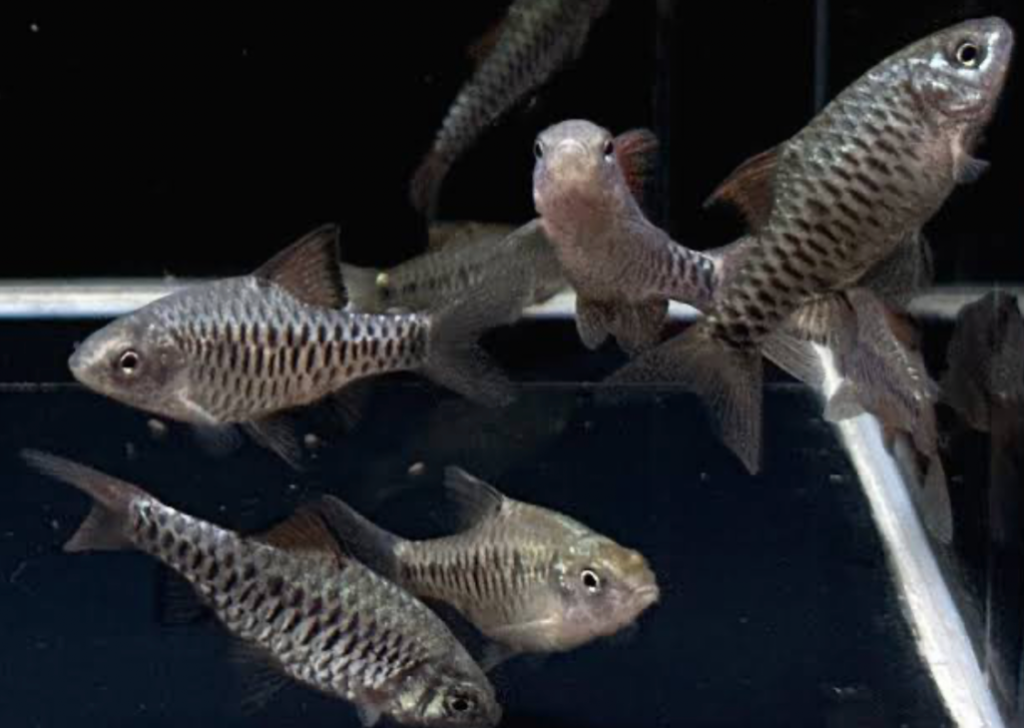
Still on mimicking your Checkered Barb’s natural habitat, after setting up the ideal aquascape and tank size, you must set suitable checkered barb water conditions. As natives of tropical climates, this species needs soft to moderate water and cool temperatures.
Water Parameters
Keep the water slightly acidic, with a pH between 6.0 and 7.5, a temperature between 72 and 78°F, and a general hardness that doesn’t exceed 10 dGH.
You must then periodically monitor your water quality, using a Master Test Kit, to ensure it remains stable and clean.
Filtration Tips for Clean Water
Make weekly 25-30% water changes, and install a gentle filter for nano tanks. A single canister device for medium tanks between 30 – 50 gallons, and a sponge filter for smaller and nano tanks is ideal.
These high-quality filtration devices for nano tank maintenance help you avoid high nitrates by cleaning the water immediately after feeding daily. They also regulate the water flow and keep it steady, like a stream or river.
Diet & Feeding

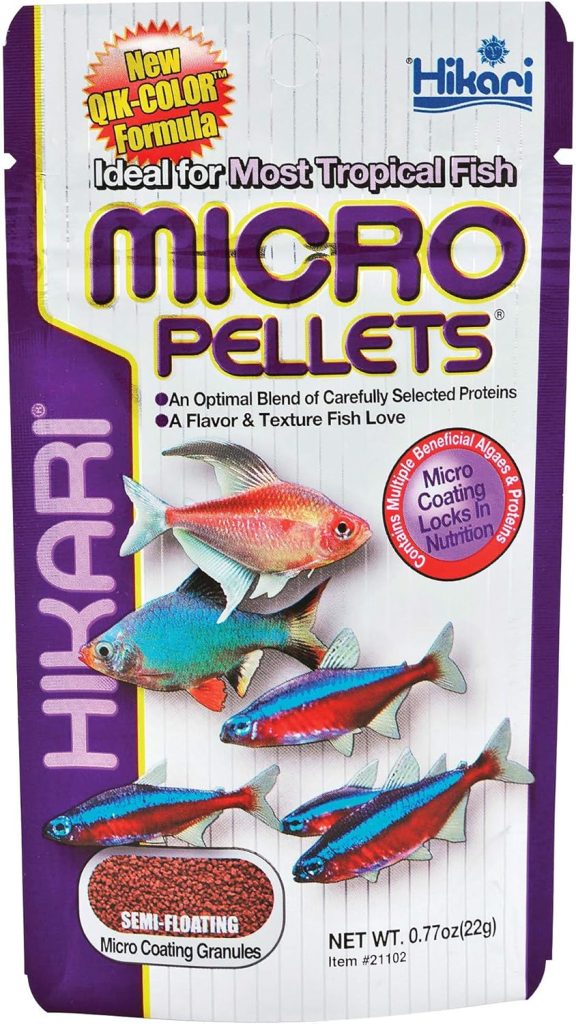
Freeze-Dried Tetra BloodWorms (Left)
Tropical Semi-Floating Micro Pellets (Right)
Checkered Barbs, like other barb varieties, are omnivores that eat animal and plant matter, but not in the same size or quantity, due to their unique nano bodies. You have to get specifically made micro food fish, or cut regular food into tiny pieces for easy consumption.
Dietary Needs for Checkered Barbs
Get specifically small flakes and micro pellets containing a balanced diet for nano barbs as staples. You can supplement them with frozen daphnia and baby brine shrimp as protein sources, and vegetable matter such as spirulina and blanched spinach for color enhancement.
Author’s Note: For more on feeding your aquatic pets check out The Ultimate Guide to Fish Food: Pros and Cons & Best Choices!
Feeding Tips for Checkered Barbs
To control your checkered barb’s feeding habits, limit their access to food. Feed them only quantities of food that they can finish within 2 minutes. Having enough food and a balanced diet keeps your Checkered Barb’s active schooling behavior visible.
Compatible Tankmates
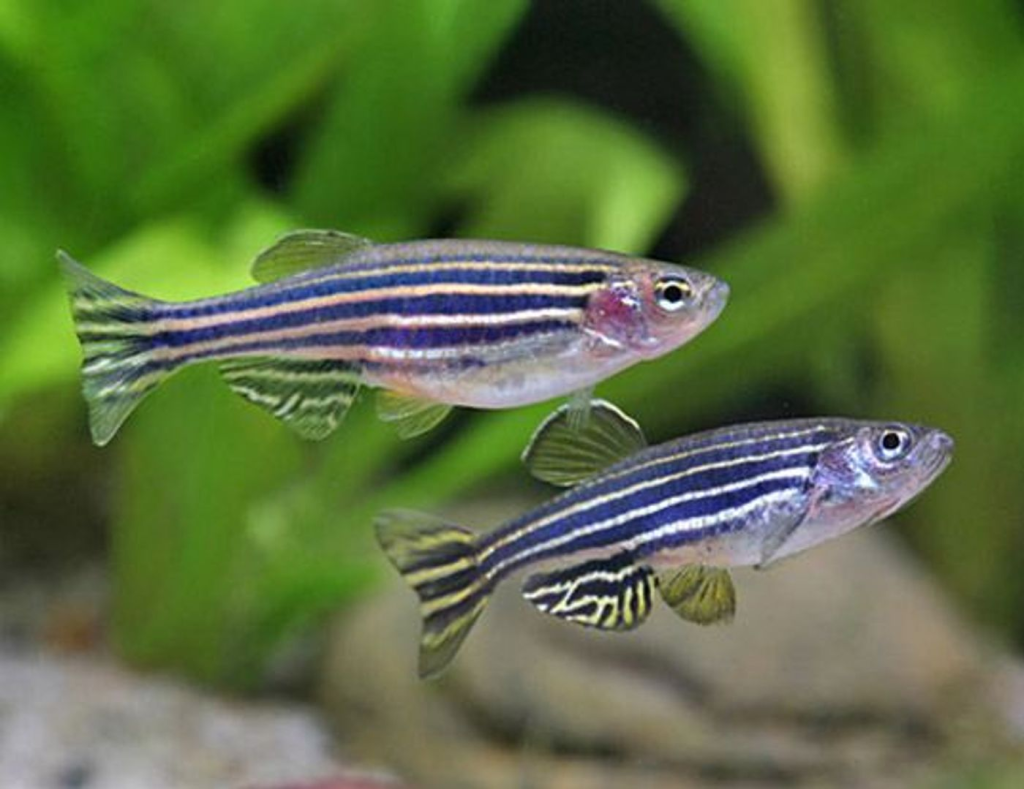
Pairing Checkered Barbs with other species is a good way to create mixed nano biotopes. But, because of their nano size, checkered barb tank mates aren’t always the usual suspects for barbs. You must choose micro- and nano-variants of peaceful fish to ensure amicable coexistence.
Species like micro Rasboras, zebra Danios, Gold Barbs, Corydoras catfish, White Cloud Mountain minnows, Shrimp, and small Tetras are suitable peaceful tank companions for your Checkered Barbs.
Avoid keeping aggressive species such as large Oscars, large Cichlids, Tiger Barbs, Rainbow Sharks, Bettas, and Angelfish with this community nano fish. The larger fish would outcompete for resources and may even turn on them and eat your Checkered Barbs.
Health & Maintenance
Checkered Barbs are highly sensitive to poor acclimation, which can cause stress and trigger common diseases such as ich, fungal infections, and clamped fins. Here are some acclimation tips to prevent these health diseases.
Author’s Note: Check out How to Treat Ich Outbreaks in Your Freshwater Fish for more information on Ich!
Acclimation Tips
Acclimation is the process of introducing a new fish into your aquarium. So, this means you can’t just dump your new Checkered Barb into your main tank without following careful acclimation steps.
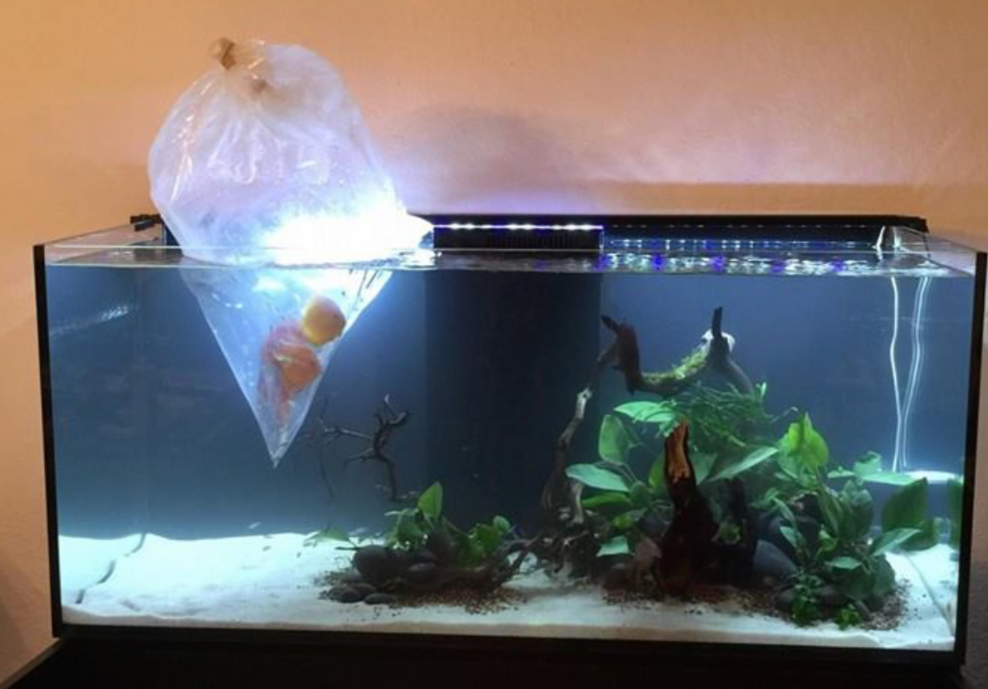
- Always quarantine nano fish, such as your new Checkered Barb, in a shipping bag with water to prevent shock and minimize stress.
- Then, place the shipping bag of water housing your quarantined fish into your aquarium for about 15 – 20 minutes. During this time, slowly adjust the tank’s water parameters to match the temperature of the water in the shipping bag.
- Reduce the light or turn it off as you prepare to open the shipping bag.
- Gently open the shipping bag and roll it down for air pockets to form. Add 1 – 2 oz of your aquarium water into the bag at intervals of 5 – 7 minutes until you double the original content.
- Once the temperature and water conditions in the shipping bag match those of your aquarium, use a net to transfer your Checkered Barb into the main tank.
- Remove the shipping bag with the diluted water and leave the light off until the next day.
- You may turn on the lights slowly and feed your pets the next day after your new Checkered Barb has had enough hours to adjust to its new environment.
Health Maintenance for Checkered Barbs
If you follow the tank setup tips, dietary considerations, and grouping recommendations in this guide, you can guarantee optimal checkered barb health. Always monitor the tank’s water conditions, check your pets for signs of stress or illness, and treat them immediately.
Your first aid should be to improve water conditions and quarantine the affected fish. But if the symptom persists, you must take your pet to a fish vet for professional treatment.
Breeding & Fry Care
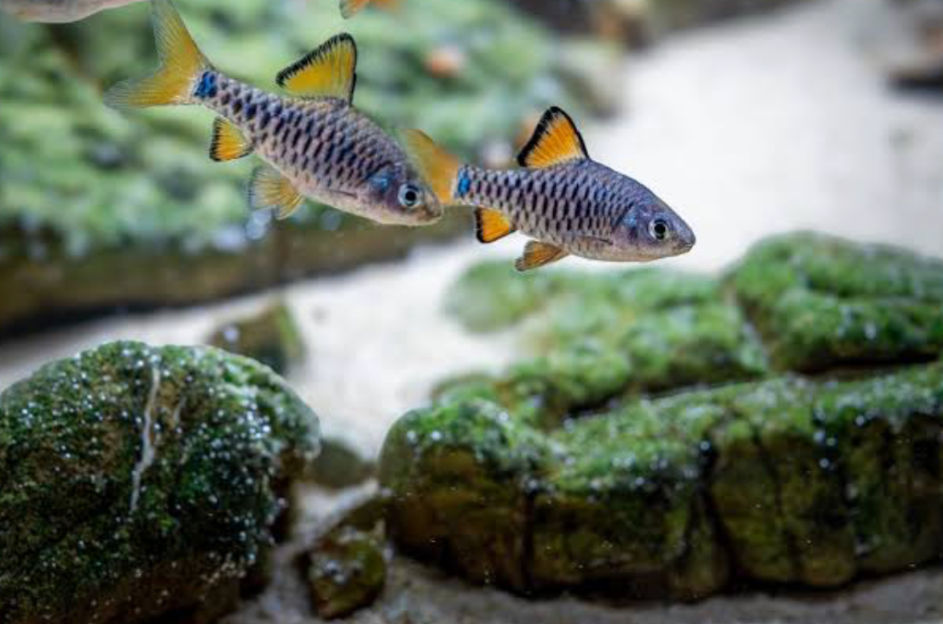
Checkered Barb breeding steps are easy to follow since they’re egg scatterers who don’t need specialized care for reproduction. They spawn in plants; small fry eat infusoria and microworms.
Building the Breeding Tank
Get a separate breeding tank with fine-leafed live plants that’ll serve as landing spots for the eggs after spawning. You can also add leaf litter or a spawning mop for this purpose.
Conditioning Your Pets
Feed your breeding pair a high-quality protein diet at least two to three weeks before spawning to prepare them for reproduction.
Spawning
Females spawn checkerboard barb eggs in batches of 100 – 300 at dawn. Immediately after spawning, separate the parents from their eggs to prevent the parents from eating them.
Egg & Fry Care
The spawned eggs would hatch between 12 and 24 hours. After hatching, you’ll need to feed the new fry liquid fry food to support healthy development as they grow into free-swimming fry. To successfully raise fry nano fish, ensure the water is pristine and that their food is chewable by crushing live foods and flakes into powder form.
By the fourth week of raising the fry, they’ll be big enough to re-enter the main tank. You can then use the acclimation tips above for the introduction.
Lifespan & Suitability
With proper care, your nano schooling fish can live a long and healthy life for up to six years in a calm, planted tank, which is suitable for beginner hobbyists.
Lifespan of your Checkered Barb
The average checkered barb lifespan living in an aquarium is 3 – 6 years, although it could be more in rare cases. Build a peaceful, densely planted tank to show off its checkered pattern and watch your pet blossom for years.
Is the Checkered Barb Suitable for your Aquarium?
Although this guide tells you that beginner checkered barb species are great first-time pets, you must decide if you’re ready for that kind of commitment. You don’t have to do much to keep this species happy, but you have to do some things.
If you cannot commit to daily check-ins and consistent monitoring to ensure optimal health and living conditions, then don’t get a Checkered Barb.
Conclusion
What’s not to love about this charming, peaceful, and sometimes shy pet? With this detailed Oliotiuscare guide, anyone can successfully keep a checkered barb fish species in their aquarium.
When you buy this nano-pattern fish at the market, ensure you verify its ID and choose at least 8 for your school group. Look out for the metallic silver scales with the black check marks.
Set up an ideal environment for them using the tank sizing and water conditions listed above. Feed your pets on time and in the right portions, and if you want a diverse community, carefully select the tank mates for your Checkered Barb.