
This is everything you need to know about rainbow platy care in this colorful and beginner-friendly guide. Learn how to keep these vibrant fish healthy with the right tank setup, diet, water conditions, and breeding practices while creating a lively aquarium full of color and personality.
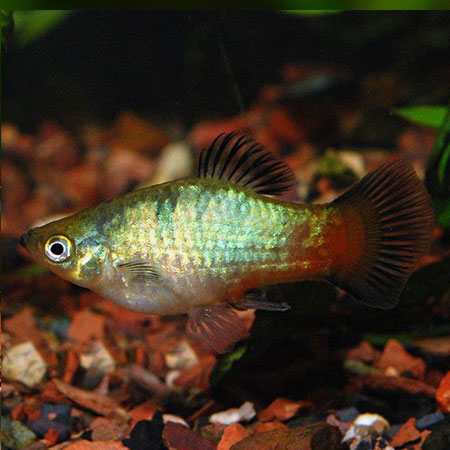
Rainbow Platy Care Guide: One of the Most Colorful Beginner Fish Available
If you have ever looked at an aquarium and wished it had a little more color, the Rainbow Platy might be exactly what you are looking for. Few freshwater fish can match the bright and cheerful appearance of this popular species. With shades of red, orange, yellow, blue, green, and black appearing on a single fish. Rainbow Platies often look like tiny swimming rainbows.
Their beauty is one reason they have become a favorite among aquarium enthusiasts. Browse through fishkeeping inspiration boards on Pinterest, and you will quickly notice how often these colorful fish appear in stunning planted aquariums. Their bright colors photograph beautifully and instantly grab attention.
When it comes to rainbow platy care, these fish are just as impressive as they are attractive. Unlike many colorful species that require advanced care, Rainbow Platies are known for being adaptable, peaceful, and easy to maintain. This combination makes them ideal for beginners who want an eye-catching aquarium without dealing with complicated requirements.
Another reason people love them is their active personality. They spend their days exploring every corner of the tank, interacting with other fish, and constantly displaying their colorful patterns. Watching them swim through plants and decorations brings life and energy to an aquarium.
In this guide, you will learn everything you need to know about keeping Rainbow Platies healthy, colorful, and thriving in your home aquarium.
Author’s Note: Check out our post on the 13 Types of Platies That Are Perfect for Beginner Aquarists for an in-depth overview of the wide variety within this species!
Rainbow Platy Scientific Name, Origin & Classification (Xiphophorus maculatus)
The rainbow platy’s scientific name is Xiphophorus maculatus. It belongs to the Poeciliidae family, a group of freshwater fish that also includes guppies, mollies, and swordtails. Members of this family are known for their peaceful nature and their ability to give birth to live young instead of laying eggs.
Rainbow Platies are not considered a separate species. Instead, they are specially developed color varieties of the common platy. Through years of selective breeding, fish breeders carefully combined different color traits to create the stunning Rainbow Platies available today.
The original platy species comes from Central America. In the wild, these fish can be found in slow-moving rivers, streams, ponds, and canals throughout parts of Mexico, Belize, and Guatemala. Their natural environment is rich in vegetation, providing shelter, food, and protection. Understanding their origins helps explain why Rainbow Platies adapt fo well to aquarium life.
They evolved in stable tropical conditions and naturally thrive in peaceful community environments. Because they are hardy and adaptable, they quickly settle into new aquariums and often become one of the most active fish in the tank.
Why Rainbow Platies Are So Popular
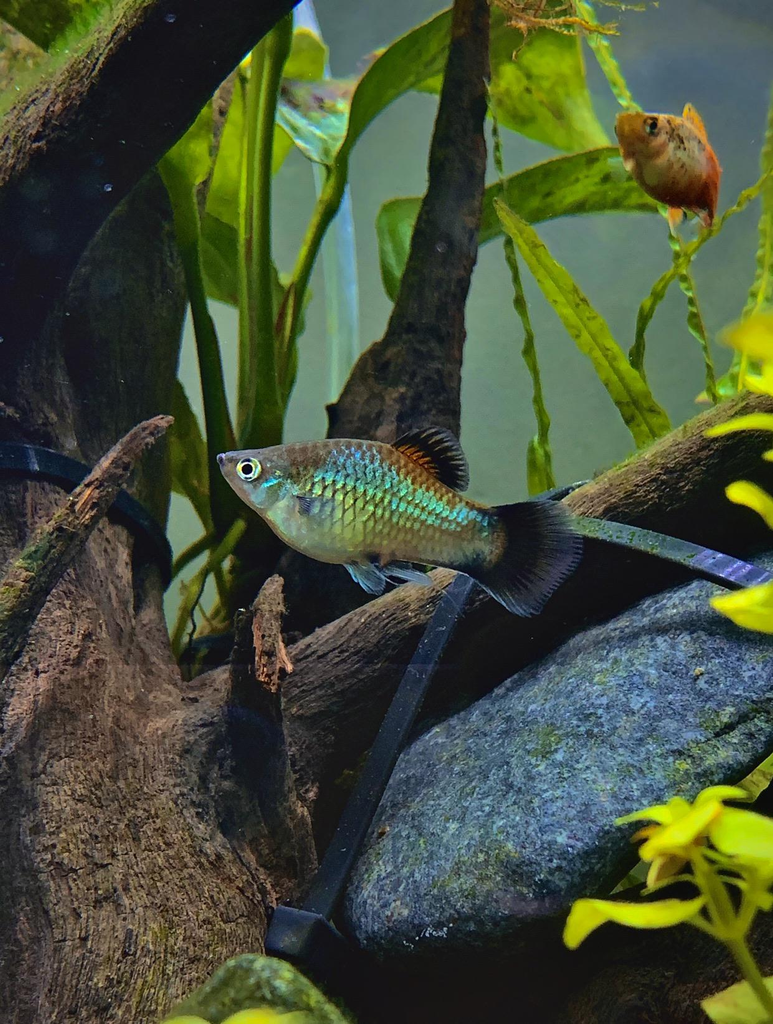
There are many colorful aquarium fish available today, but Rainbow Platies continue to stand out. Their popularity comes from the perfect balance of beauty, affordability, and ease of care.
The first thing most people notice is their appearance. A healthy, colorful platy fish can display several bright shades at once, creating a living work of art inside the aquarium. Unlike some species that only show color under specific lighting, Rainbow Platies remain attractive throughout the day.
Their peaceful nature is another major advantage. They rarely cause trouble and generally get along with a wide range of community fish. This makes them a stress-free choice for beginners.
Aquarium hobbyists also appreciate how active they are. Rainbow Platies constantly swim, explore, and interact with their surroundings. Their playful behavior keeps the aquarium looking lively and interesting.
Some reasons people love Rainbow Platies include:
- Bright and unique coloration
- Beginner-friendly care requirements
- Peaceful community behavior
- Excellent breeding potential
- Affordable purchase price
- Active and entertaining personalities
These qualities have helped make Rainbow Platies one of the most recommended fish for first-time aquarium owners.
Rainbow Platy Colors and Pattern Variations
One of the most exciting things about Rainbow Platies is their incredible variety of colors. In many cases, no two fish look exactly alike. This uniqueness makes collecting different varieties especially enjoyable.
The vibrant mix of rainbow platy colors is created through selective breeding. Some fish display warm shades while others showcase cooler metallic tones. Certain individuals even combine multiple patterns into a single appearance.
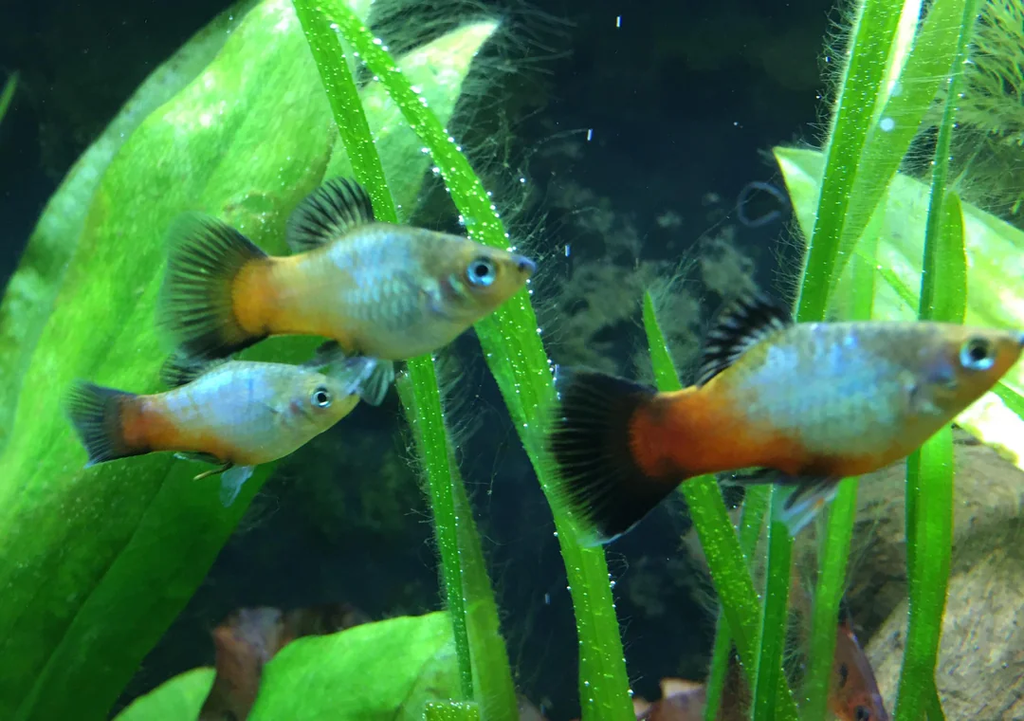
Some of the most popular varieties include:
| COLOR VARIETY | DESCRIPTION |
| Sunset Rainbow Platy | Bright orange, yellow, and red tones that resemble a sunset |
| Neon Rainbow Platy | Metallic blue and green highlights that shimmer under aquarium lighting |
| Gold Rainbow Platy | Warm golden coloration with soft reflective qualities |
| Red Rainbow Platy | Rich red body coloration with subtle accent shades |
| Marble Rainbow Platy | Mixed colors arranged in unique patch-like patterns |
| Mixed Rainbow Platy | A combination of several vibrant colors on one fish |
These color combinations are one reason Rainbow Platies remain popular among aquarium photographers and social media enthusiasts. Their appearance creates a beautiful contrast against green plants and dark aquarium backgrounds.
Many hobbyists enjoy experimenting with lighting and aquascaping to highlight the natural beauty of these fish.
Adult Size, Lifespan & Growth Rate
Before bringing any fish home, it is important to understand how large it will grow and how long it may live. Fortunately, Rainbow Platies remain manageable in size while still making a strong visual impact.
The average rainbow platy lifespan ranges from three to five years when proper care is provided. Some individuals may live even longer when maintained in excellent conditions.
Adult Rainbow Platies typically grow between two and three inches in length. Females are usually larger than males, especially during pregnancy.
Their growth rate is fairly quick. Young fish often reach maturity within four to six months. Factors that influence growth include diet quality, water conditions, tank size, and overall health.
Because they remain relatively small, Rainbow Platies fit comfortably into many aquarium sizes. Their compact body size allows hobbyists to keep groups together while still maintaining adequate swimming space.
Even though they are small fish, their vibrant colors and energetic behavior ensure they never go unnoticed.
Best Aquarium Setup for Rainbow Platies
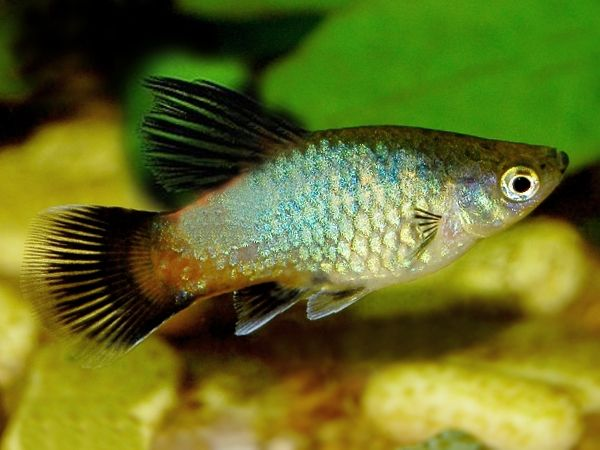
A successful aquarium setup should include:
- Live plants such as Java Fern and Anubias
- Open swimming space
- Gentle filtration
- Stable water temperature
- Smooth gravel or sand substrate
- Natural decorations like driftwood and rocks
Lighting also plays an important role. Moderate lighting helps showcase the fish’s colors without overwhelming the aquarium.
Author’s Note: Check out our post Best LED Aquarium Lighting Units for Your Gallon Tank Capacity for an in-depth review of the best options for lighting!
Many aquarists prefer darker substrates because they create a stronger contrast. Against a dark background, the brilliant colors of Rainbow Platies appear even more striking.
A well-planned aquarium does not just improve appearance. It also encourages healthier, more confident fish that display natural behavior throughout the day.
Water Parameters and Care Requirements
Maintaining proper water conditions is one of the most important aspects of successful fishkeeping. Healthy water supports brighter colors, a stronger immune system, and longer lifespans.
The ideal rainbow platy water parameters are fairly straightforward, making these fish an excellent choice for beginners.
Rainbow Platies prefer temperatures between 72 and 78 degrees Fahrenheit. Stability is more important than chasing exact numbers. Sudden changes can cause unnecessary stress.
They generally thrive in slightly alkaline water with moderate hardness. Because they naturally come from mineral-rich environments, they often perform better in harder water than many other tropical fish.
Important conditions include:
- Stable temperature
- Consistent water quality
- Proper filtration
- Regular water changes
- Low ammonia and nitrite levels
Weekly maintenance helps keep conditions stable and prevents harmful waste from building up. When water quality remains consistent, Rainbow Platies often reward owners with brighter colors, stronger appetites, and more active behavior.
Feeding Rainbow Platies for Maximum Color
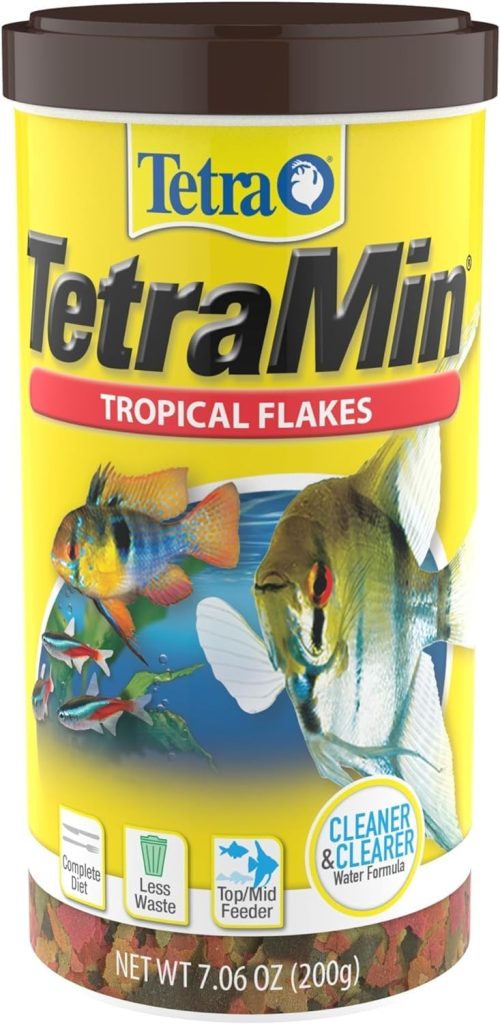
TetraMin Tropical Flake Food (Left)
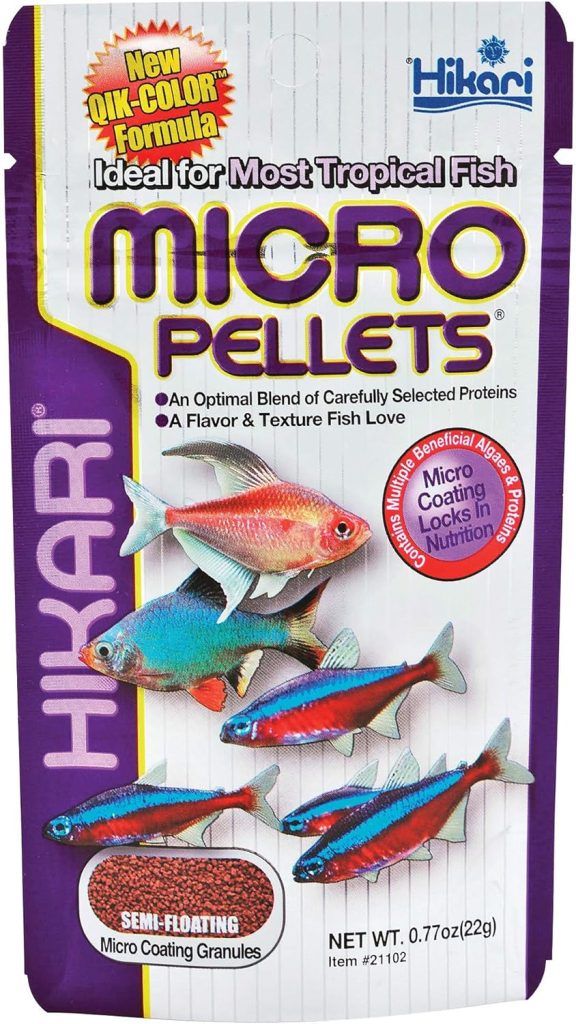
Tropical Semi-Floating Micro Pellets (Right)
Diet plays a major role in maintaining the beautiful appearance of Rainbow Platies. Proper nutrition supports growth, strengthens immunity, and enhances coloration.
A balanced rainbow platy diet begins with high-quality flakes or pellets for tropical fish. These foods provide essential nutrients needed for daily health.
To encourage stronger coloration, many hobbyists supplement with foods rich in natural pigments.
Excellent food choices include:
- Spirulina-based foods
- Brine shrimp
- Daphnia
- Bloodworms
- Algae wafers
- Blanched vegetables such as spinach and peas
Food containing carotenoids is especially valuable because they help intensify red, orange, and yellow coloration.
Author’s Note: For more on feeding your aquatic pets check out The Ultimate Guide to Fish Food: Pros and Cons & Best Choices!
Feeding small portions once or twice daily is usually sufficient. Avoid overfeeding, as excess food can negatively impact water quality. A varied diet not only improves appearance but also encourages more natural feeding behavior and overall vitality.
Best Tank Mates for Rainbow Platies
One reason Rainbow Platies are so popular is their compatibility with many other community fish species. Choosing appropriate rainbow platy tank mates creates a peaceful and enjoyable aquarium. These fish generally get along with other small, non-aggressive species that share similar water requirements.
Good companions include:
- Guppies
- Mollies
- Swordtails
- Corydoras catfish
- Small tetras
- Rasboras
- Cherry barbs
Avoid aggressive fish that may nip fins or intimidate smaller tank residents. A balanced community aquarium allows different species to occupy different swimming levels, creating a more dynamic and visually interesting display.
Breeding Rainbow Platies and Fry Color Outcomes
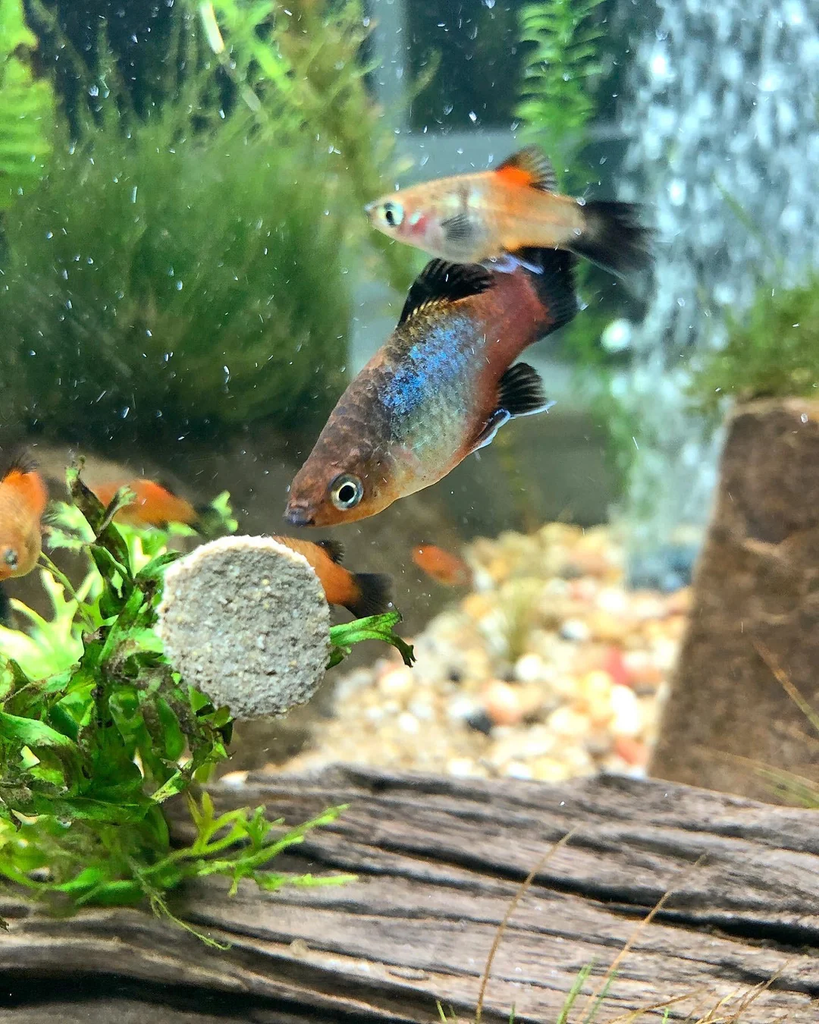
Breeding Rainbow Platies is one of the most rewarding experiences in freshwater fishkeeping. Because they are livebearers, the process is much simpler than with many egg-laying species.
Successful rainbow platy breeding often happens naturally once healthy males and females are kept together. Females typically carry developing fry for about four weeks before giving birth to fully formed young. The babies are capable of swimming and feeding immediately.
To improve fry survival:
- Provide dense plant cover
- Use breeding boxes if necessary
- Feed small, nutritious foods
- Protect fry from larger fish
One fascinating aspect of breeding Rainbow Platies is the unpredictability of color genetics. Fry often inherits different combinations of traits from their parents, resulting in unique patterns and shades.
This element of surprise makes breeding especially exciting for hobbyists who enjoy discovering new color combinations.
Common Health Issues
Although Rainbow Platies are considered hardy fish, they can still experience health problems if conditions deteriorate. The most common rainbow platy disease concerns are often linked to poor water quality, stress, or improper nutrition.
Potential issues include:
- Fin rot
- Ich
- Fungal infections
- Swim bladder problems
- Parasitic infections
Author’s Note: Check out How to Treat Ich Outbreaks in Your Freshwater Fish for more information on Ich!
Fortunately, prevention is usually straightforward.
Maintaining clean water, feeding a balanced diet, avoiding overcrowding, and performing regular maintenance significantly reduce the risk of disease.
Healthy Rainbow Platies are active, alert, and eager to eat. Any sudden change in behavior should be investigated quickly to prevent minor problems from becoming serious.
Conclusion: The Ultimate Colorful Beginner Fish?
When people search for a fish that combines beauty, personality, and simplicity, Rainbow Platies often rise to the top of the list. Their incredible colors, peaceful nature, and easy care requirements make them one of the most rewarding species available.
As a true, colorful beginner fish, they provide everything a new aquarist could want. They are adaptable, active, visually stunning, and suitable for a wide variety of community aquariums.
Whether you are creating your first planted aquarium or adding fresh color to an established tank, Rainbow Platies offer endless enjoyment. Their bright appearance, friendly behavior, and straightforward care needs explain why they remain one of the most beloved freshwater fish in the hobby. With proper care, a healthy environment, and a balanced diet, these colorful little fish can transform any aquarium into a vibrant underwater display that you will enjoy every day.


