Skip to content
Check out these detailed insights on caring for the selectively bred lyretail molly fish, a unique fork-tailed colorful variant known for loving planted tanks and hard water conditions, including breeding tips for livebearers.
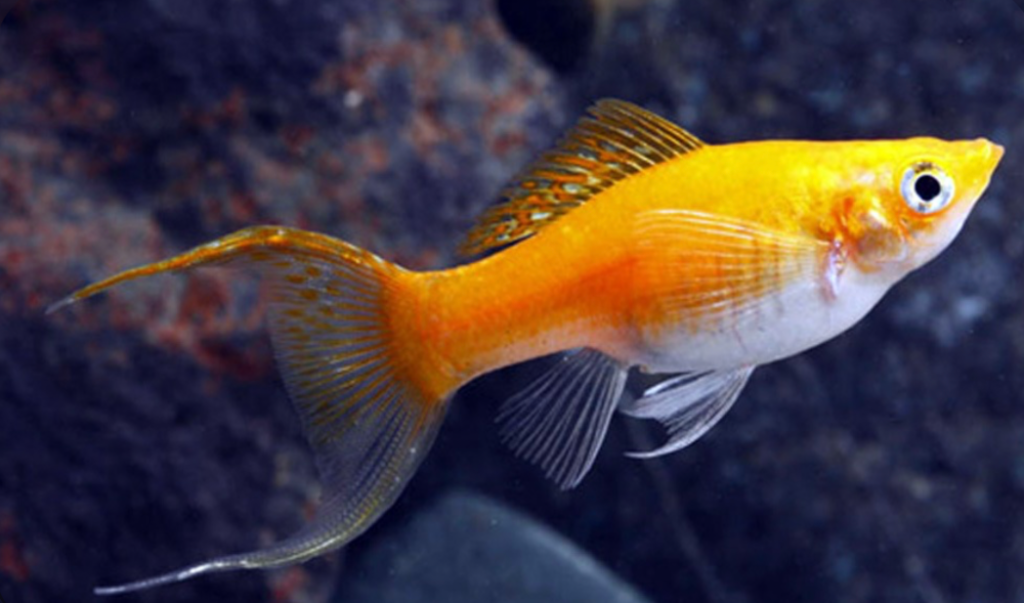
Lyretail Molly Care Guide
Do you want an ornamental beginner livebearer fish to grace your aquarium? Are you worried it’s too high-maintenance for your capacity? Then this lyretail molly care guide is just right for you.
Lyretail Mollies are a fancy molly variety with a distinctive forked tail fin and a variety of colors. This morph is a popular ornamental variant of the molly, a fish kept in aquariums. This lyretail freshwater fish requires minimal care and is suitable for first-timers. Here’s a summary of care needs for the Lyretail Molly, including a brief background to introduce you to your new pet.
Author’s Note: Check out our post on the 12 Types of Mollies That Make Perfect Beginner Fish for an in-depth overview of the wide variety within this species!
Lyretail Molly Scientific Name, Origin, and Classification (Poecilia sphenops hybrid)
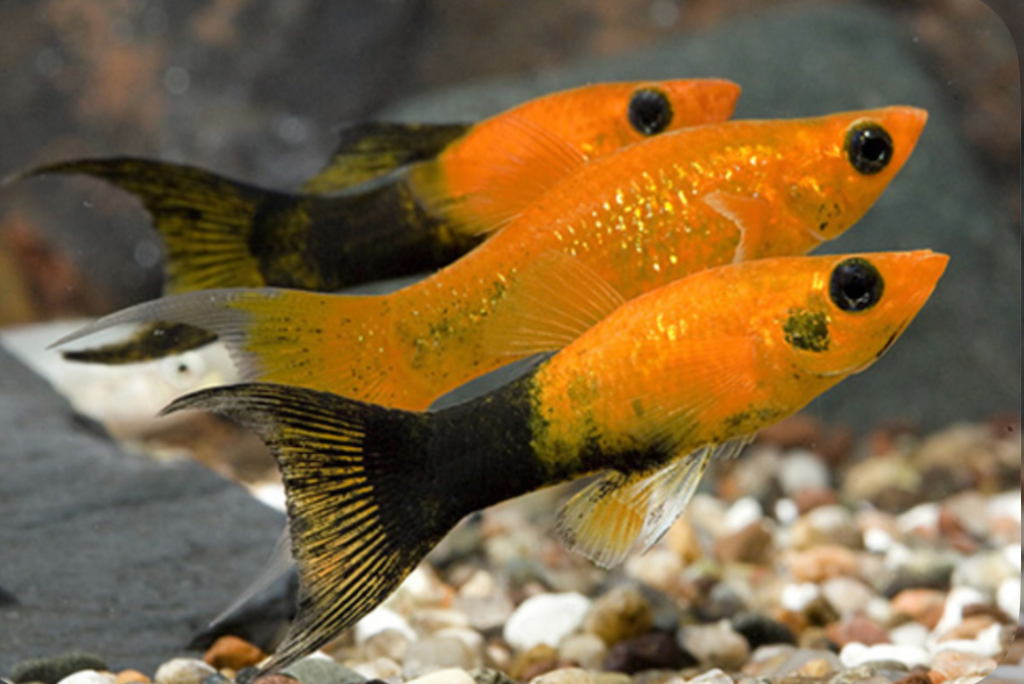
Understanding the lyretail molly’s origin story helps you prepare adequately to keep this species outside its natural habitat. The Lyretail Molly is a Poecilia sphenops hybrid formed from selectively breeding the specific forked tail fin.
Scientists have been selectively breeding aquarium fish since the 1920s, and this Molly variety is one of their greatest inventions.
The parents of these ornamental molly variants come from different regions, including the United States, Mexico, Colombia, and Venezuela. That’s why ornamental Lyretail mollies have multiple color morphs.
Appearance
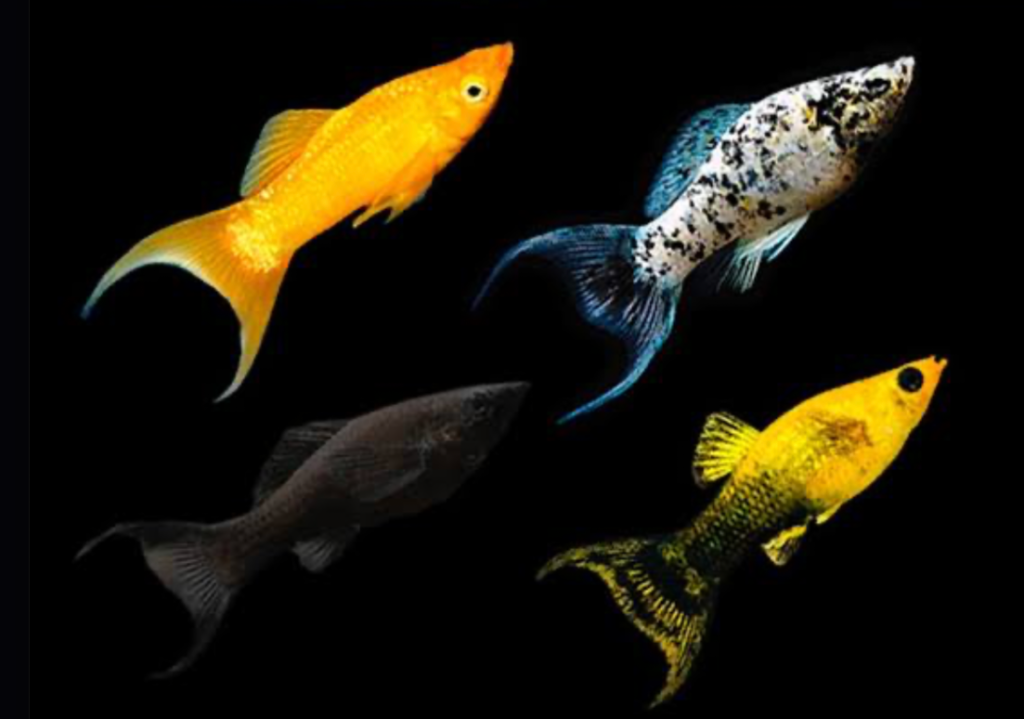
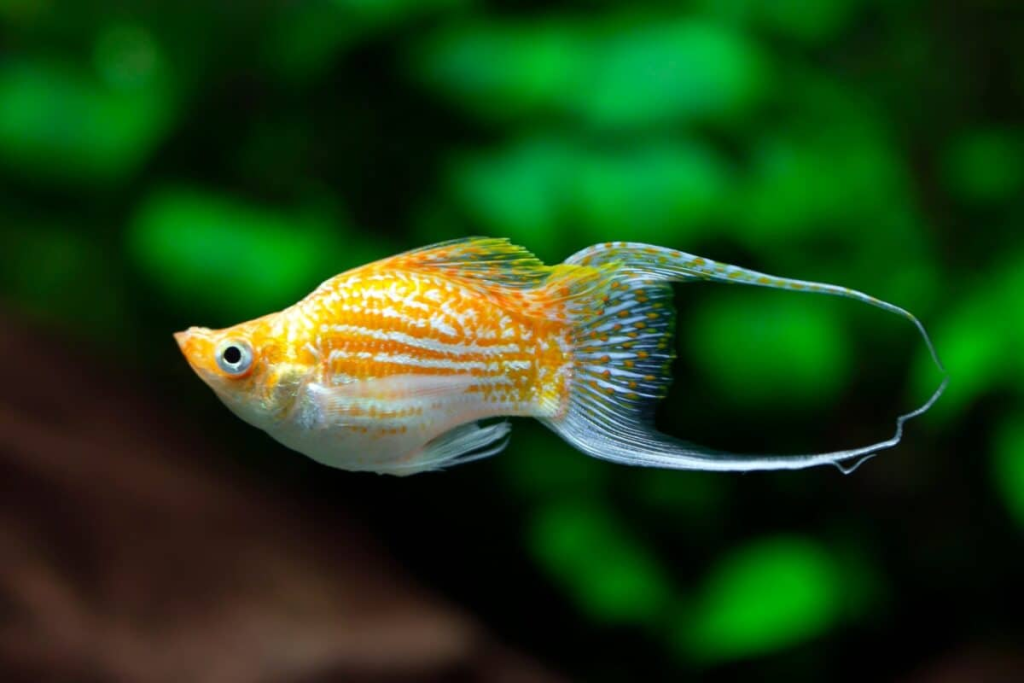
You can easily identify this fancy-tailed aquarium fish by its unique forked tail, which resembles a lyre instrument. This tail extension is so distinctive that you can use it to identify sexual dimorphism.
Male Lyretail mollies have longer and more dramatic lyretails than their female counterparts. Despite their long tails, the lyretail molly size is still pretty average at about 3 – 5 inches in maturity.
Of course, this lyretail molly’s appearance also varies depending on the wild parents used to breed it. That’s why you can see a lyretail molly with a balloon body and another with a slender body.
No matter their body shapes, these colorful livebearer fish often have the most vibrant scales. Their scale colors range from monochrome hues to unique patterns such as the Dalmatian lyretail molly, metallic morphs, marble, and creamsicle variant.
All lyretail mollies share similar environmental needs, except for albino variants, which have unique lighting requirements.
Tank Setup
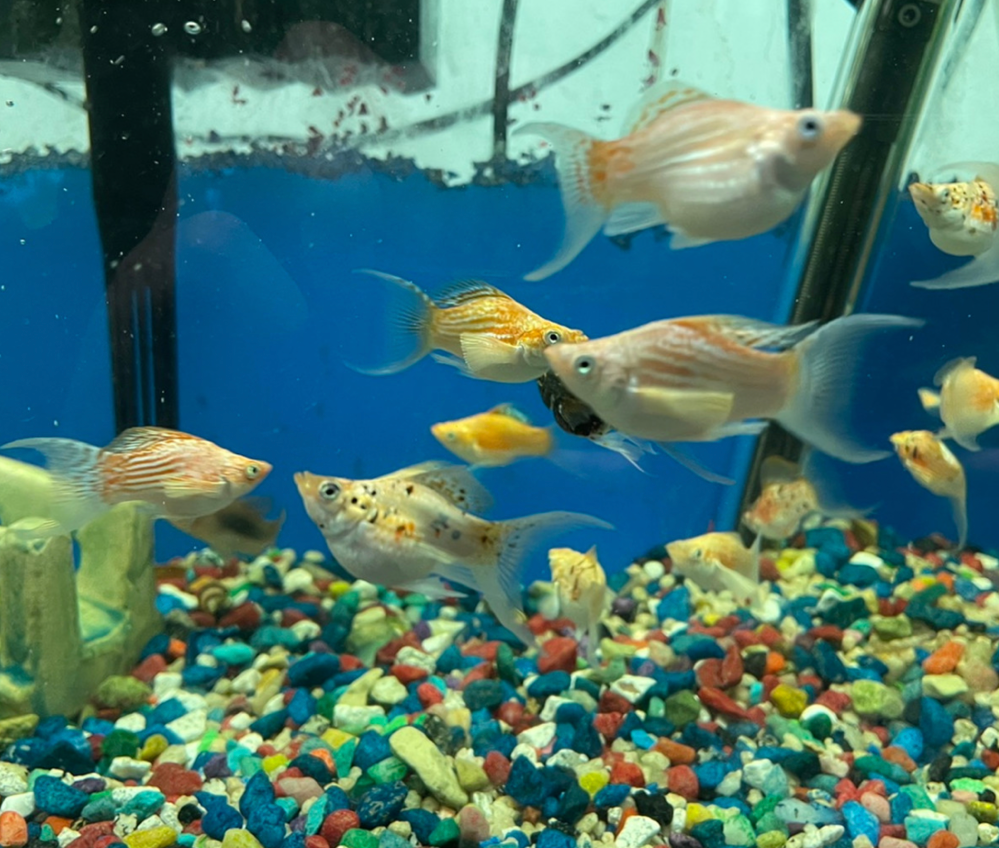
Setting up an ideal lyretail molly tank has some rules, but the most important is to take care of its unique, long, forked tail fin. So that means your consideration for its housing starts with the enclosure before you get to the decor and water conditions.
Tank Size
For this livebearer fish tank, a rectangular enclosure that stretches wide instead of tall works best. Get about 20 to 30 gallons of water for a mini community aquarium setup to hold up to 4 lyretail mollies.
For every additional same-sized fish you add to the tank, you must add 5 gallons of water.
Aquascaping
Because of their sensitive tail fin, you must choose only safe decorations for fish in your aquascape. This means you must use fine substrates such as smooth sand or pebbles, smooth, curved/edged rocks, and gently-surfaced driftwood to design your tank interior.
Fine leaves are also necessary because wild mollies’ natural habitat has dense vegetation that provides shelter and food. Arrange the vegetation in such a way that there’s an open swimming area in the center or around the tank.
Although these plants are dense, the water is shallow and gentle with a steady flow. This current protects your pet’s caudal fins and allows lyretail mollies to swim freely.
Water Conditions
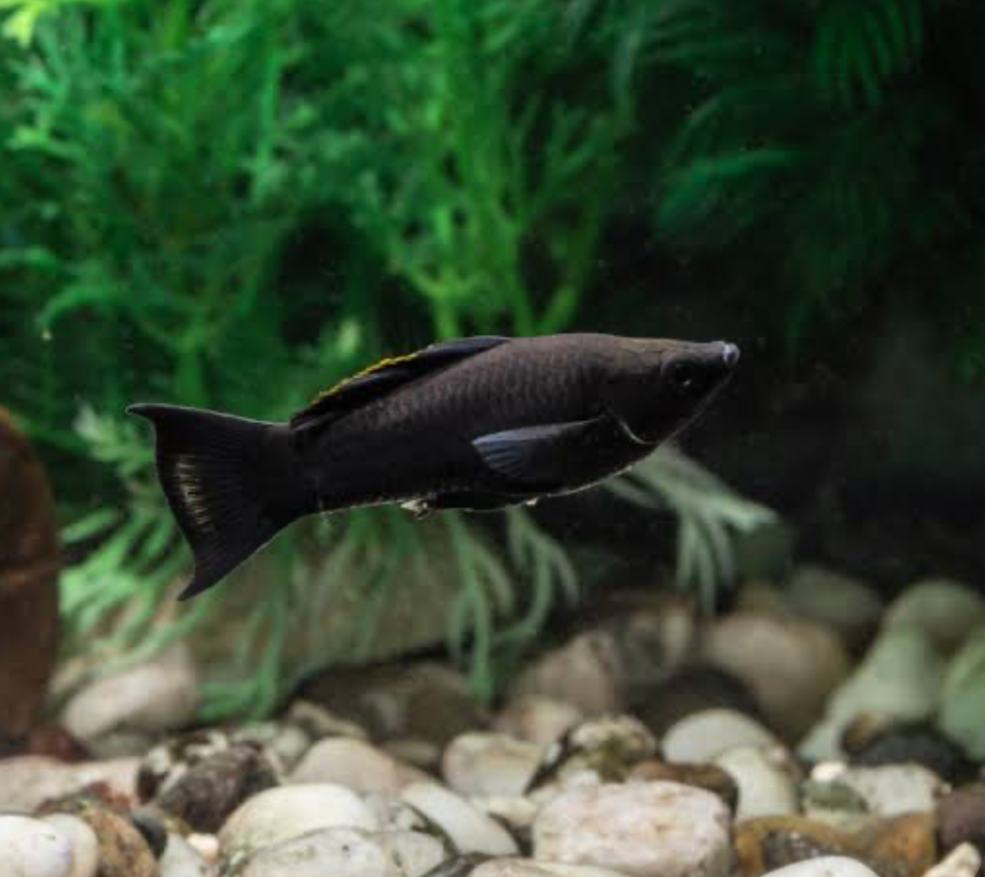
As a beginner, you’re probably used to soft and salty water-type fish, but that’s not the lyretail molly’s preference. This species has similar water condition requirements to wild mollies. Lyretail mollies are an alkaline freshwater fish that thrive in hard, mineral-rich waters. To achieve optimal alkaline freshwater fish that thrive in hard, mineral-rich waters.
To achieve optimal molly water parameters, set the following conditions:
- Temperature: 72–82°F
- pH Level: 7.5 – 8.5
- Hardness: 15 – 25 dGH
Install a high-quality filter to maintain stable aquarium parameters, as turbulence will stress your lyretail mollies. You can get a sponge filter for medium tanks holding 20-30 gallons of water, but large tanks holding 50 gallons or more need a canister filter.
The filter would not just maintain a steady flow but also clean the hard water aquarium fish during their feeding sessions.
Diet
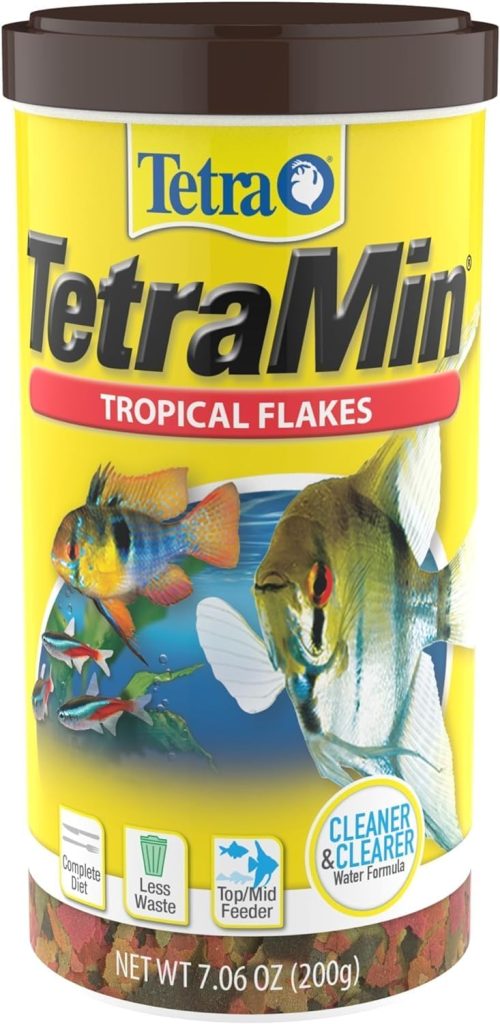
TetraMin Tropical Flake Food (Left)
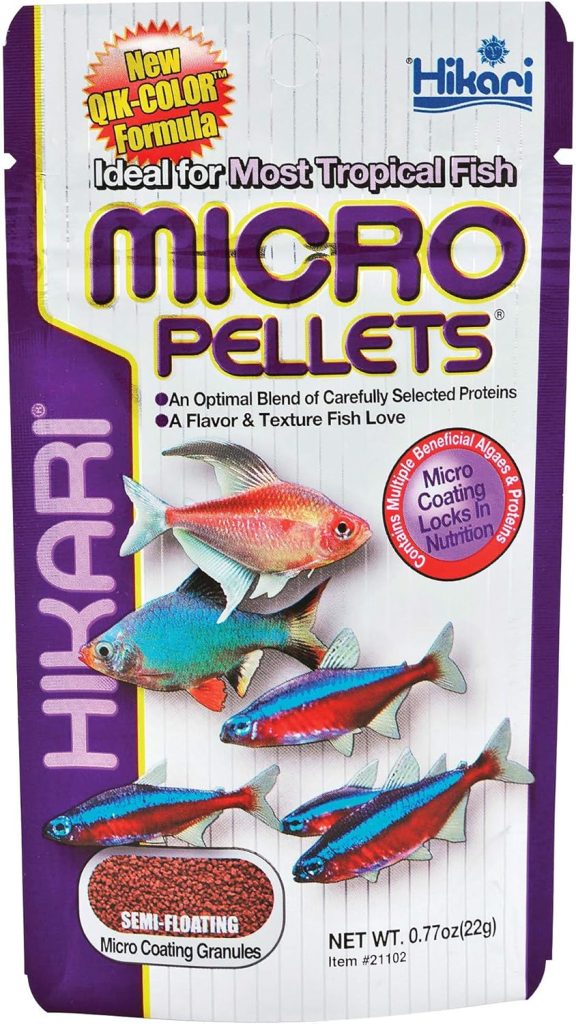
Tropical Semi-Floating Micro Pellets (Right)
Lyretail mollies are omnivorous pets, so they eat plant and animal food sources. Because in the wild, they have access to plants, these species are voracious algae-eating livebearers and grazers.
When keeping them in your aquarium, you must ensure that they enjoy balanced fish nutrition.
Author’s Note: For more on feeding your aquatic pets check out The Ultimate Guide to Fish Food: Pros and Cons & Best Choices!
Feeding your Lyretail Molly
Maintaining a balanced diet while feeding mollies depends on how well you mix their plant-based and animal-based foods. Feed your pets a healthy mix of high-quality commercial flakes or pellets as staples supplemented with spirulina, algae, and blanched vegetables to support their health.
Also serve them live or frozen animal matter, such as bloodworms, as treats every other day. When drawing up your lyretail molly feeding schedule, ensure that they have the staples and algae-rich foods once to twice daily. But serve them only portions they can finish in less than 2 minutes.
Portioning their food is great for controlling their appetite and ensuring they don’t overeat. Ensure you clean the tank often, even though they’ll graze all the algae, and keep your planted tank pristine.
If you leave your lyretail molly to its devices, it’ll overeat and fall sick.
Tank Mates
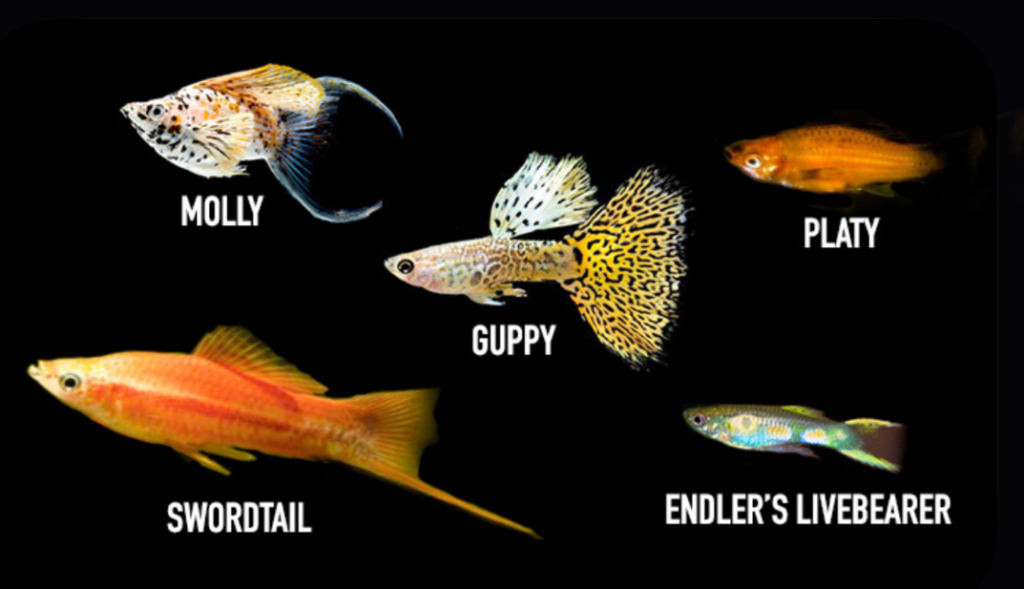
Another cause of discomfort for a beginner community fish, such as the Lyretail Molly, is living with incompatible tank mates. Remember that they have a fancy tail fin that draws attention. Unfortunately, it’s not only human attention that this ornamental breed calls for. If paired with the wrong types of species, your lyretail molly would be in danger of bullying.
So, to ensure you’re choosing suitable lyretail molly tank mates, you must consider certain factors. Are they non-aggressive aquarium species? Would they survive in planted tanks with hard, alkaline water conditions? Would they join the school? Would they stay away from your lyretail molly?
Some compatible livebearer fish species include other Molly morphs, Endler’s, Platies, Guppies, and Swordtail fish. Avoid fin-nippers and really large fish species that’ll trouble your lyretail molly.
Breeding
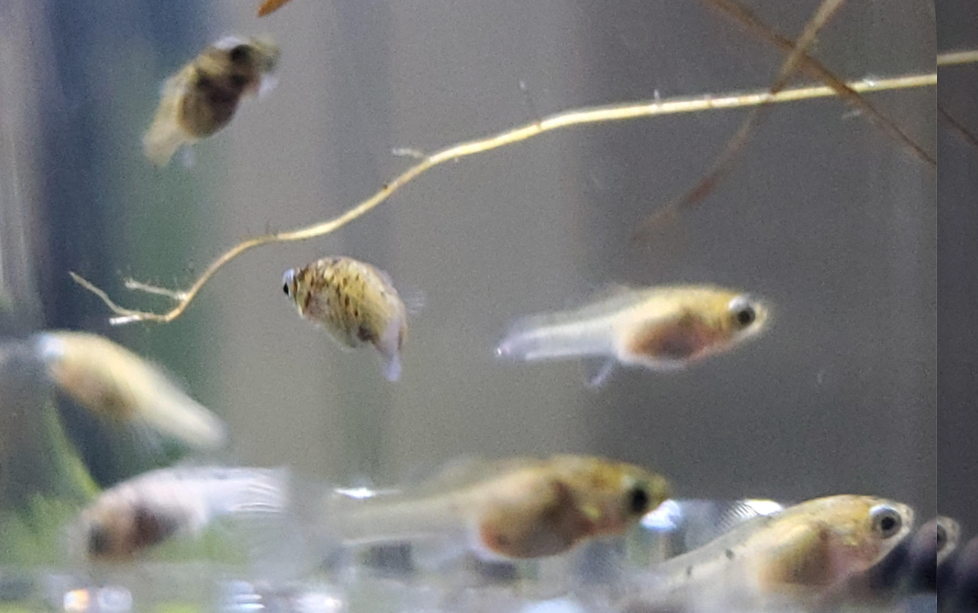
Before breeding mollies in aquarium settings, you must optimize the space for reproduction and prepare to take care of the newborn fry in their developmental stage. Lyretail mollies are livebearers, meaning they don’t go through the egg cycle that most fish do in reproduction.
Instead, your lyretail molly will give birth to free-swimming fry that are highly sensitive to poor conditions.
Breeding Lyretail Mollies
Start by setting up a separate lyretail molly breeding tank for lyretail molly reproduction. The tank should be wide and feature dense vegetation, such as hornwort, Java Moss, and Water Sprite, to provide security and shelter for the newborn fry.
Set the water temperature between 78 – 82°F and increase your pets’ protein intake.
The Breeding Pair
As a rule of thumb, pair a single male with at most two to three female fish to distribute his energy across more mating options.
The male would chase the female until she’s ready to spawn her live fry. When choosing the breeding pair, avoid a crossbreed, especially of guppies and mollies, as they’ll produce sterile hybrids.
Female mollies carry their babies for four to six weeks, and during this time, their bellies form into a boxy shape. It’ll also turn darker around its anal fin.
Upon completion of the gestation period, the female Molly would release a litter of fry ranging from 20 to 100. This number can be in a single day or over a short period with multiple batches of 20 to 30 fry all from one mating session.
Taking Care of the Fry
The first step in raising Molly fry is to remove the adults from the tank immediately after delivery, as the parents may eat their young. The lyretail mollies’ fry resembles a standard molly fry since the unique tail shape develops later.
During this stage, feed your Molly fry infusoria, crushed baby brine shrimp, or fry flakes. Monitor their growth over the next 4 to 9 months, during which they’ll grow larger, develop the unique lyretail shape, and become ready to join the main tank.
Lifespan
You can stretch your lyretail molly lifespan between 3–5 years with excellent care, but to achieve this, you must follow the tips in this guide closely.
Make a checklist of the requirements for a long-lived aquarium fish, and cross-check to see if you meet every one.
Is their enclosure suitable? Is the environment optimal? What kind of food are you feeding your lyretail molly? If you want to breed this pet, are you prepared to handle the situation for the next 4 to 9 months?
Providing proper nutrition is part of healthy Molly care because when you attend to the internal needs, it shows externally.
Healthcare for Lyretail Mollies
Another major part of ensuring extended freshwater fish lifespan is observation. You must develop a habit of watching your pets for signs of discomfort or abnormal behavior.
Immediately, you notice odd changes, quarantine the affected fish. Then, improve the water conditions to ensure the environment is right for recovery.
If it’s a bacterial disease, increase the water temperature to speed up the bacteria’s life cycle; for parasitic diseases, use anti-parasite medication.
If symptoms persist, visit a professional vet.
Conclusion
So you see, adding this ornamental Molly to your aquarium community as a beginner isn’t so scary. Once you prepare for the task ahead, you’ll achieve success.
Don’t deprive yourself of this decorative aquarium fish because of laziness or ignorance. This guide contains essentials for protecting this species in your home aquarium.
The best part of this beginner livebearer species is that it’s a colorful community fish.
You can build a diverse and vibrant community with only lyretail mollies in different color morphs and patterns, and it requires low-maintenance unless you want to breed juvenile fry.