Skip to content
The Black Ruby Barb is a unique dual colored, shy, schooling fish suitable for joining your planted tank community with other peaceful species. This post details everything you need to know about this beautiful barb fish.
Black Ruby Barb: Deep Red Males for Dimly Lit Tanks
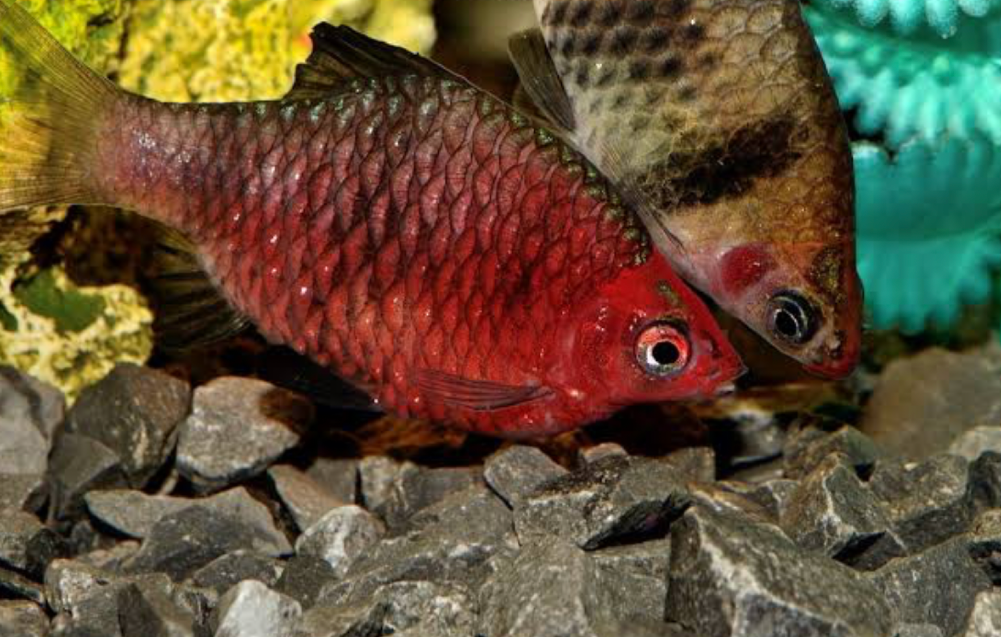
Are you tired of boring fish types with regular personalities and appearances? Then, you’ll love the Black Ruby Barb (Pethia nigrofasciata) color morph. It’s a unique red barb species that changes color in response to sexual dimorphism, mood, and conditions.
The Black Ruby Barb is a visually intriguing, hardy fish native to the waters of Sri Lanka. It shows best in soft, slightly acidic water with dim lighting and dense plantations that mimic its natural habitat.
Due to its origins, black ruby barb care is easy to manage for beginners and professionals. If you’re looking for a species that won’t stress you and would make a lovely addition to your planted tank, then choose Black Ruby.
Even if it’s your first time as a fish hobbyist, this guide contains essential Pethia nigrofasciata care tips to ensure the best beginner experience, starting with setting up an ideal environment.
Author’s Note: Check out our post 13 Types of Barbs That Are Perfect for Colorful Beginner Nano Tanks which includes details on even more barbs to choose from!
Natural Habitat & Lighting Preferences
As with any fish, you’ll realize that Black Ruby Barbs’ preferred environments are a result of their origins.
Geographic Region
Black Ruby is a forest stream barb native to the Sri Lankan forest streams, especially in the Kelani and Nilwala basins. It’s a hilly region with slow but clear waters, which keep it cooler than typical tropical regions.
This region is known for its dense forests, with fine sand and gravel beds covered in detritus. Due to this unique Black Ruby barb habitat, your pet would prefer dark aquariums, and you can achieve this with tannin.
Lighting Preferences
As tannin water barbs, your Black Ruby Barb thrives in dim lighting that feels like their rainforest home. Native to Sri Lanka forest streams, it prefers darker cover and tannin-stained water.
When simulating darkness in your aquarium, you can rely on several decoration tricks, such as staining the water with tannin, covering the tank with floating plants, and using darker glass enclosures.
These dark substrates and floating plants not only provide comfort but also enhance color. So, let’s set up the ideal environment for your blackwater aquarium fish.
Author’s Note: Check out our post Best LED Aquarium Lighting Units for Your Gallon Tank Capacity for an in-depth review of the best options for lighting!
Tank Size & Plants
Setting up an ideal aquarium environment for your pet is a two-part process, starting with choosing the right Black Ruby barb tank size. Then, you’ll add suitable decor for your aquascape before filling the enclosure with water.
Tank Size
Black Ruby Barbs are typically 2 – 2.5 inches in size, and they move in schools of at least 6 – 8 fish. So, get a 20–30-gallon tank, depending on your minimum school size.
Note that you’ll still fill your tank with decorations that’ll take up space, so ensure there’s enough swimming space left after setting up the aquascape for barbs. You can choose a wide or tall tank, but wider, rectangular tanks are best for natural mobility.
Plants & Decors for your Black Ruby Barb
Once you have your enclosure, it’s time to decorate the interior for your planted tank barbs. Layer the base with smooth, fine sand, gravel, or a mix of both.
Choose your aquarium plants based on the type and how each one will fit into your tank environment.
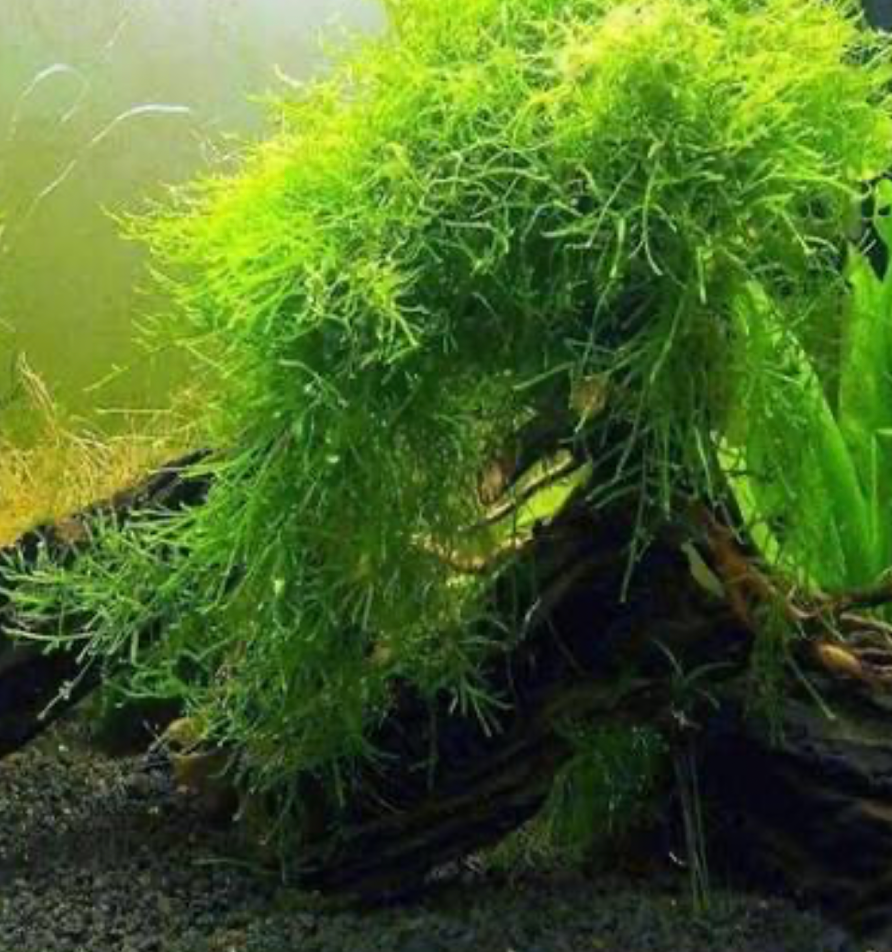
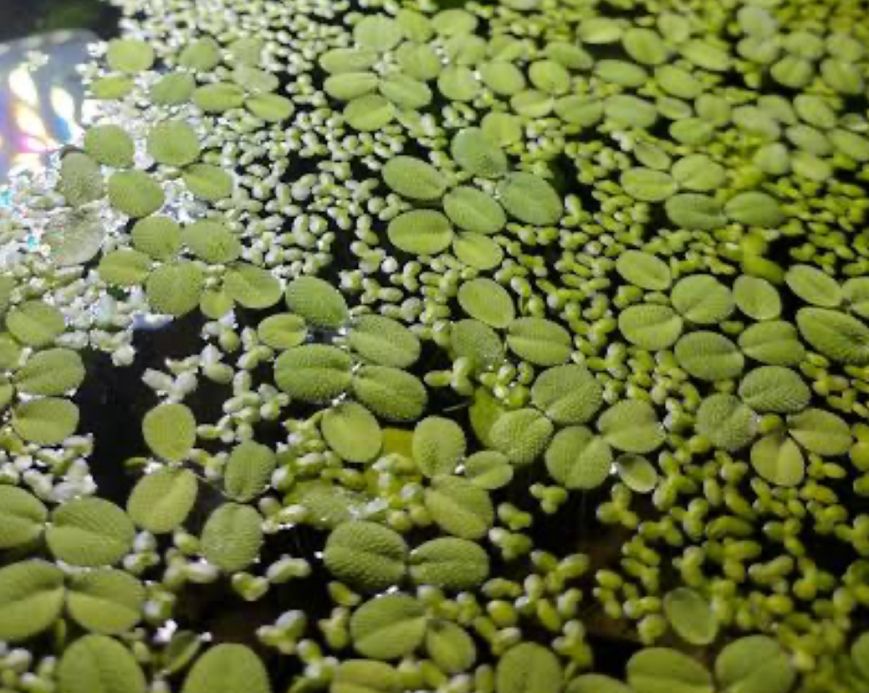
For shade and shelter, get bushy Java Fern and Java Moss, for interactive activity choose Anubias, while floating plants like Duckweed and Salvinia are suitable for covering your shaded aquarium.
Because the tank will be a low-light environment, you may add a shade-loving aquatic plant, such as Cryptocoryne.
Feel free to elevate your aquarium with unique and sentimental decor, such as smooth rocks, caves, and driftwood. Then, you can fill your aquascape with water.
Water Parameters & Conditioning
Ideal black ruby barb water conditions should be soft, acidic, and cool, with a slow current on regular days, though the temperature can get a little warmer during breeding. There’s more on this later in this guide, but first, let’s deal with essential water conditions for everyday Barb life.
Ideal Water Conditions
The ideal pH for barbs is approximately 6.0-7.0, which is slightly acidic to neutral, while the regular temperature should be a steady range of 72–78°F. Because this species is a soft-water barb, you must stabilize the hardness to not go past a range of 5 – 12 dGH.
Conditioning for Different Moods
After providing the best environment for your Black Ruby Barb, it’ll be disappointing not to experience it at peak activity and display level. So, to get the best out of your pet, you must systematically condition it for display or spawning in case you’re breeding them.
You can condition Black Ruby Barbs with their environmental conditions and diet. For the environment, use driftwood & leaf litter such as peat moss or Indian Almond Leaves to simulate tannin conditions. With food, however, there’s more involved.
Diet & Color Maintenance
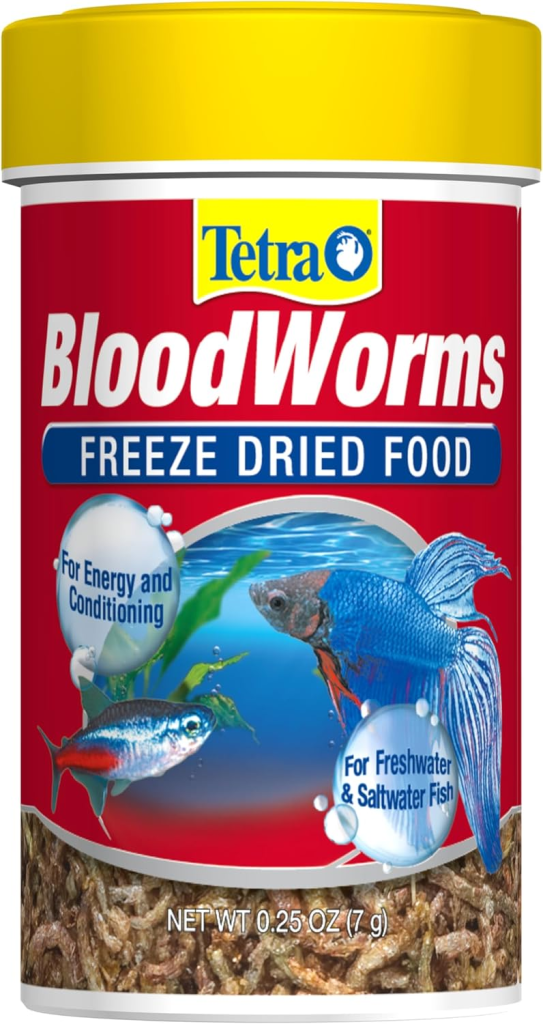
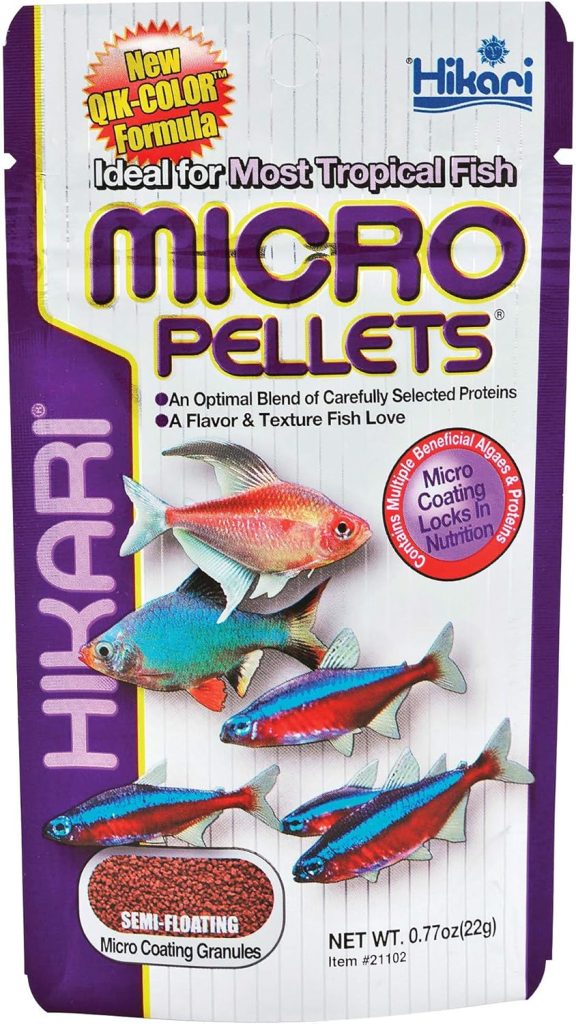
Freeze-Dried Tetra BloodWorms (Left)
Tropical Semi-Floating Micro Pellets (Right)
Before choosing foods for red fish species such as Black Ruby Barb, you must first understand their dietary preferences. Black Ruby Barbs are omnivores and would eat every food type from animal-based to plant-based.
Dietary Preferences
For your black ruby barb diet, add a variety of high-quality flakes and pellets as daily staples. Then supplement them with live or frozen foods, such as daphnia, bloodworms, and brine shrimp, as treats, and with vegetables like peeled peas, blanched zucchini, and spirulina for healthy development.
Author’s Note: For more on feeding your aquatic pets check out The Ultimate Guide to Fish Food: Pros and Cons & Best Choices!
Color Maintenance
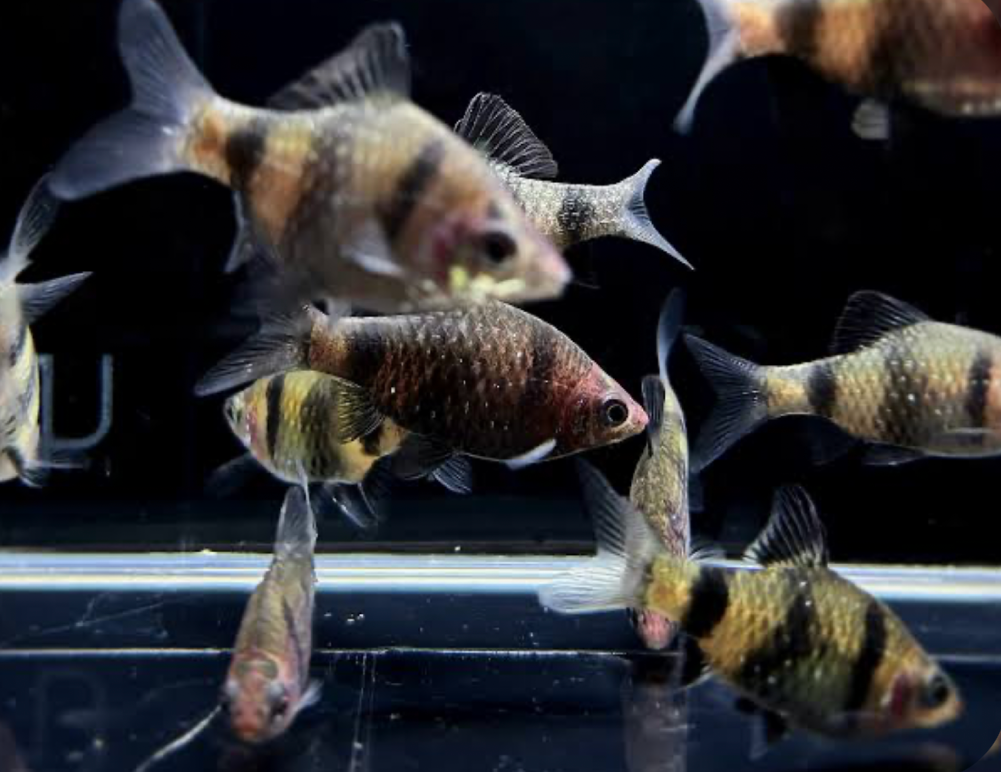
Spirulina is also a color-enhancing food, like live and frozen protein-rich food sources, and they’re all necessary for intensifying your pet’s ruby color.
Color maintenance in Black Ruby Barb is essential because it undergoes several color changes throughout its life cycle.
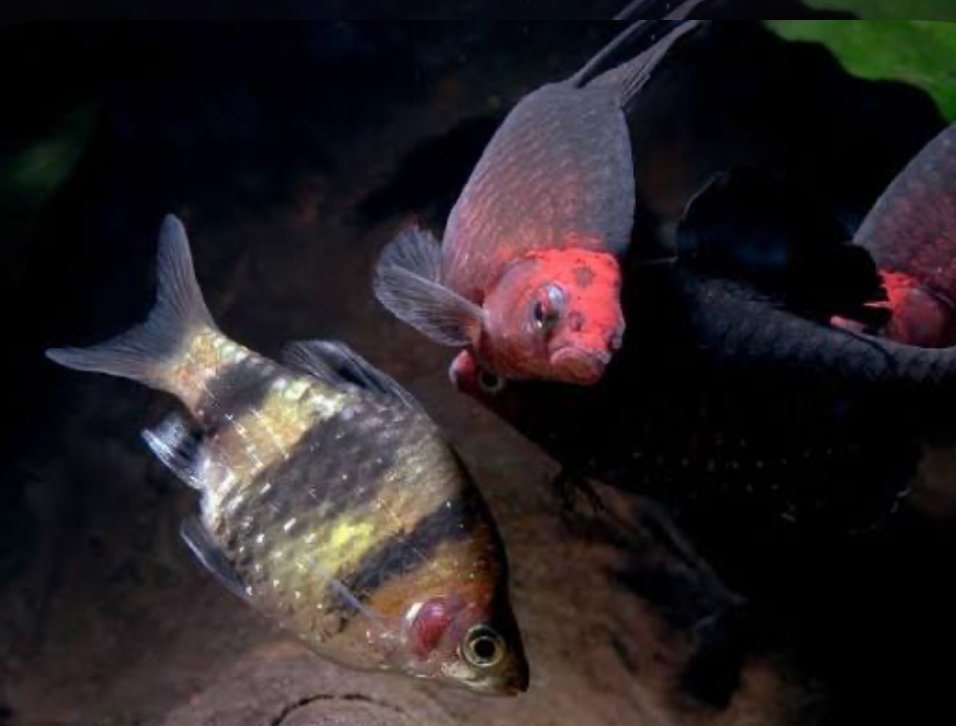
As a juvenile, your pet will have a silver-yellow body with visible vertical black bands.
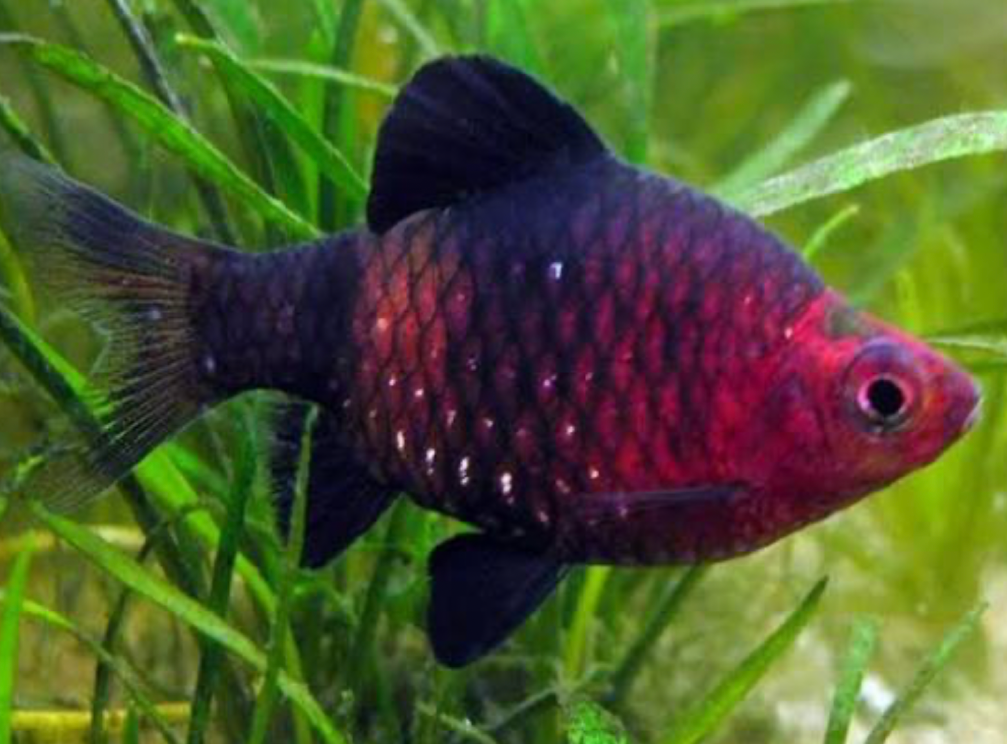
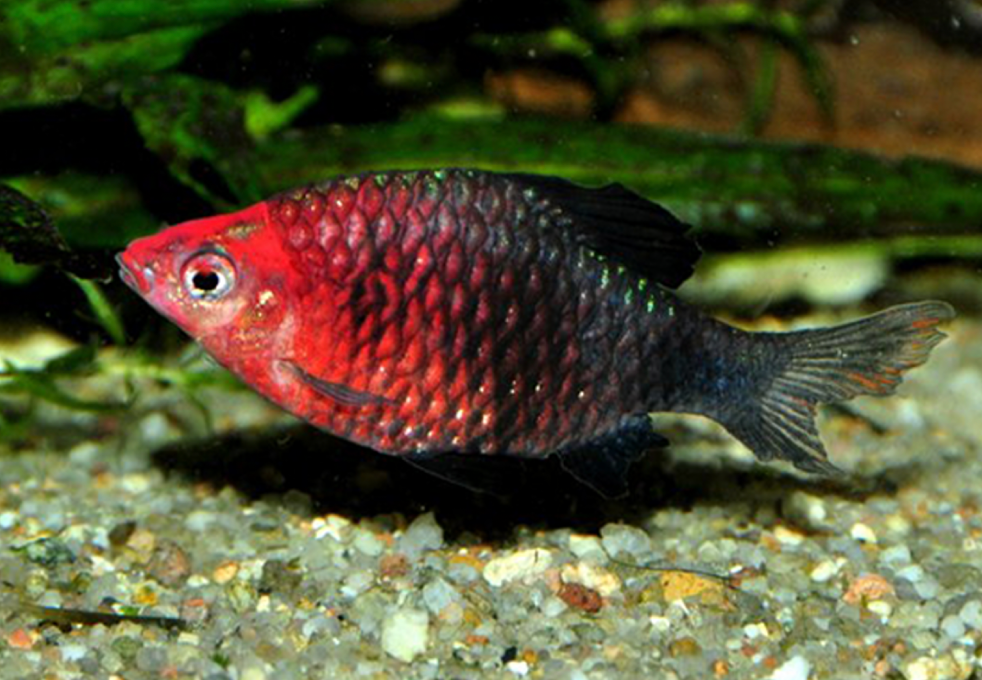
Then, as it matures, there’ll be a sexual dimorphism depending on its sex. Females will become rounder with bigger bodies, while the males will morph into a deep ruby red color with blended black bands that’ll appear as deep tints.
So, they need color-enhancing food sources to keep them looking vibrant.
Behavior & Tank Mates
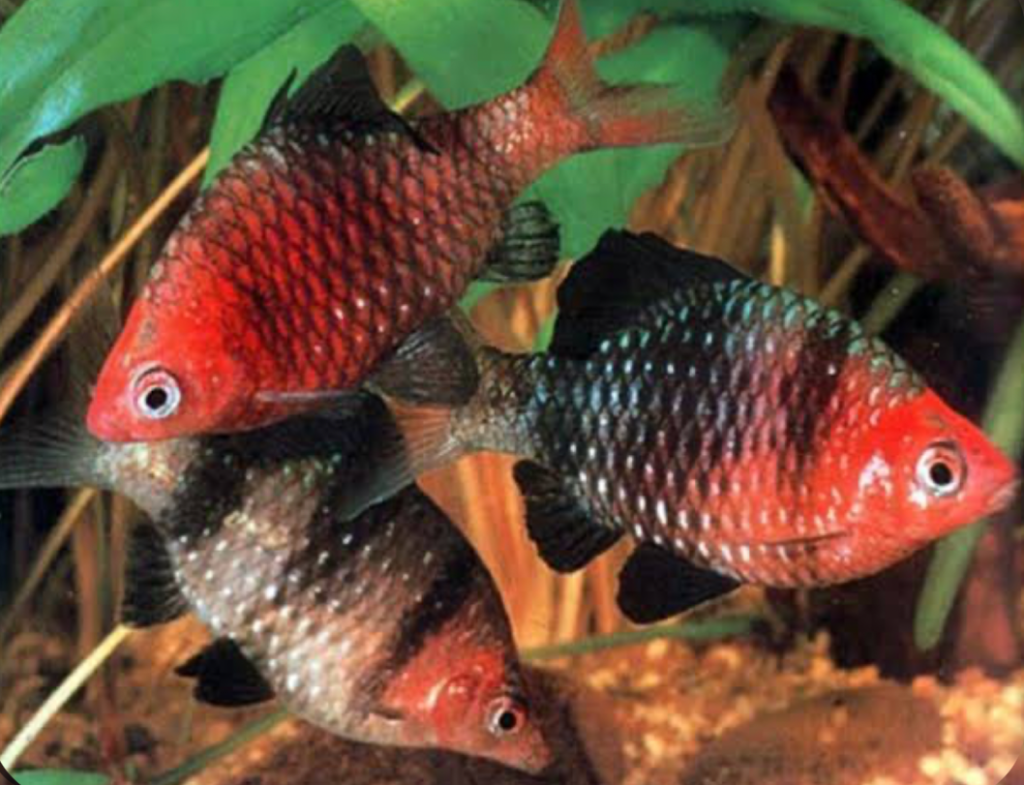
Due to their unique coloration, it’s no shock that Black Ruby Barbs are showy. However, it doesn’t make them aggressive; instead, they remain peaceful, planted tank species.
Behavioral Patterns
Black Ruby Barbs are a shy schooling fish that thrives best in groups of 6-8 with other similar fish. When paired with compatible tank mates, they’ll show their best parts and maintain a peaceful environment.
Compatible Tank Mates for Black Ruby Barbs
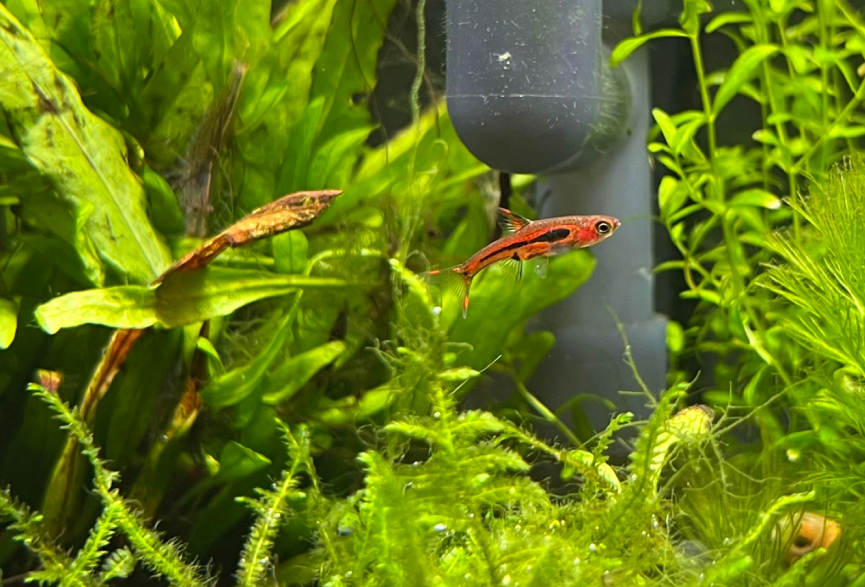
Compatible black ruby barb tank mates that won’t trigger stress or injury include nano species like rasboras and small gouramis. Avoid aggressive cichlids, slow-movers, and long-finned species such as Angelfish.
Health & Disease Prevention
Black Ruby Barbs are sensitive to poor water quality and prone to common freshwater diseases. Still, with frequent monitoring, preventive measures, optimal care, and swift treatment, you can keep them healthy and vibrant.
Common Diseases and Treatment
Always quarantine barbs before adding them to your aquarium, and after observing their health, acclimate them slowly. Isolate the new barbs for 2-4 weeks before adding them to your main tank.
Look out for common black ruby barb diseases such as Velvet, Ich, Fin Rot, Dropsy, and Swim Bladder Disorder.
- Velvet: Gold/rusty dust on your fish’s body caused by parasites. You can treat it by increasing the water temperature to speed the parasite’s life cycle and using anti-velvet medication.
- Ich: A white, salty cyst on your fish’s body that causes itching and gasping. Treat it by using anti-itch medication.
- Fin Rot: It’s a progressive disease caused by untreated injuries and bacterial infections in contaminated water. You can treat it by removing aggressive tank mates and improving water conditions. Change 50% of the water at least twice weekly and use a strong filtration system to keep the water clean after feeding.
- Dropsy: Swelling and raised scales caused by internal organ failure from stress. Treat by removing all stress factors and visiting a professional fish veterinarian.
- Swim Bladder Disorder: Abnormal swimming from bloating, constipation, and overfeeding. Treat by fasting your fish for 1 to 2 days, depending on the severity of the condition. Increase their fiber and vegetable intake during this period to aid bowel movement.
Author’s Note: Check out How to Treat Ich Outbreaks in Your Freshwater Fish for more information on Ich!
Maintaining Optimal Health and Disease Prevention
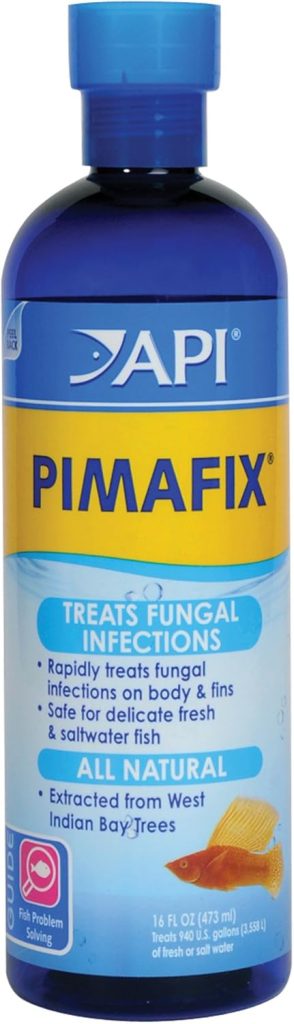
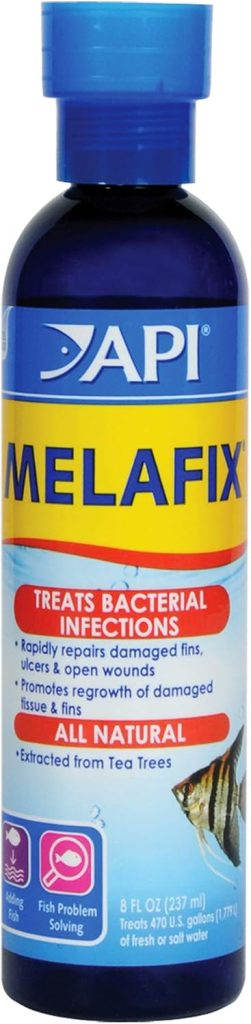
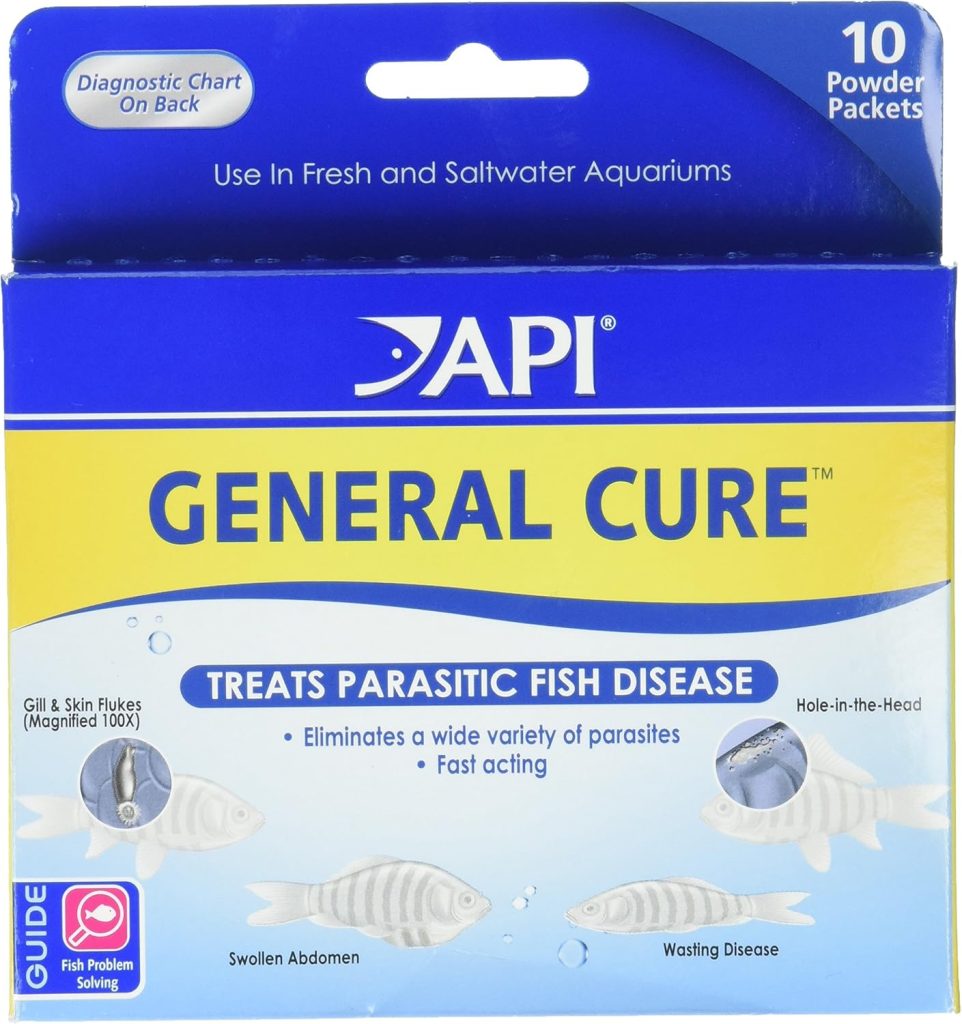
Prevent stress in your Black Ruby Barb’s environment by setting up an ideal tank space, feeding it a balanced, color-enhancing diet, and keeping only compatible tank mates in the same community.
Scroll up to see tank maintenance tips, including ideal water conditions and aquascaping.
Breeding Tips
You’re almost done with this guide, but first, here are some black ruby barb breeding secrets in case you want to reproduce this unique fish species.
Setting Up The Breeding Tank
Breeding planted tank fish like the Black Ruby Barb requires a separate breeding tank with dense plantations. Create tannin-rich shallow areas by covering the base with leaf litter. They’re egg scatterers so that the plants would catch the egg clusters during spawning.
Conditioning the Breeding Pair
Increase the water temperature to 77 – 82°F, which is still cool but warmer than usual. Feed your selected breeding pair high-protein feed at least 2 weeks before breeding, and watch them. The male Black Ruby Barb would develop a deep red, almost burgundy color, while the females would become rounder around the belly.
Spawning
When they’re ready to spawn black ruby barb eggs, the male will chase the female, and she’ll scatter about 100 eggs all over the breeding tank. After spawning, keep the tank pitch-black to prevent the egg from succumbing to light sensitivity.
Egg and Fry Care
If you set up a suitable planted tank environment, the fine plants and spawning mops will protect the eggs until they hatch within 24 – 48 hours.
Within a week, your Black Ruby Barb hatched eggs will become free-swimming juveniles. Feed them liquid fry food at first, then progress to crushed baby brine shrimps and fry flakes as they grow.
Watch your fry for two to four weeks before adding them to the main community tank.
Lifespan & Community Fit
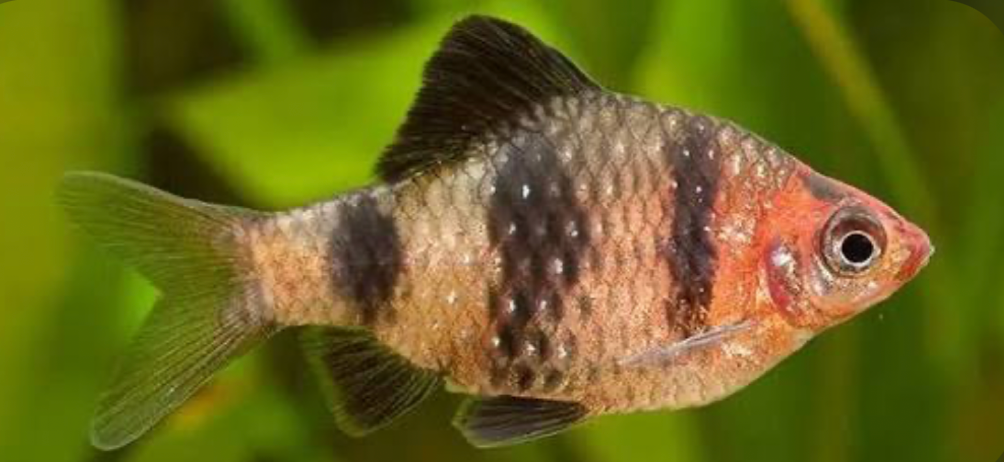
With excellent care, your black ruby barb’s lifespan can be 4–6 years. So, you can have this planted tank show fish for a long period of time and enjoy watching its contrasting colors swim across your aquarium, whether it’s a female or a male.
There’s no question as to whether this beginner Ruby Barb would fit into your community or is suitable for a starting hobbyist. If you want a deep red coloration in small schools to grace your tank, this is the choice.
Conclusion
Are you now ready to keep black ruby barb fish in your community aquarium? Do you think you have what it takes to achieve success? Use this checklist of the essentials you need as listed in this Pethia nigrofasciata guide to answer this question.
- Do you have an ideal tank setup?
- Is your budget enough to feed your pets a balanced diet?
- Do you have other peaceful planted aquarium fish as tankmates?
If your answer to all of the above is yes, then you’re ready to own a Black Ruby Barb. You can even breed more beautiful Black Ruby Barb fish.
You don’t need to do much to successfully keep this showpiece species; as long as you have a subdued, planted aquarium with tannins and low lighting, you’re good to go.