
Improve your beginner community tank with the vibrant red and black color of the unique Red Wag Tail Platy fish, a low-maintenance ornamental strain livebearer variety.
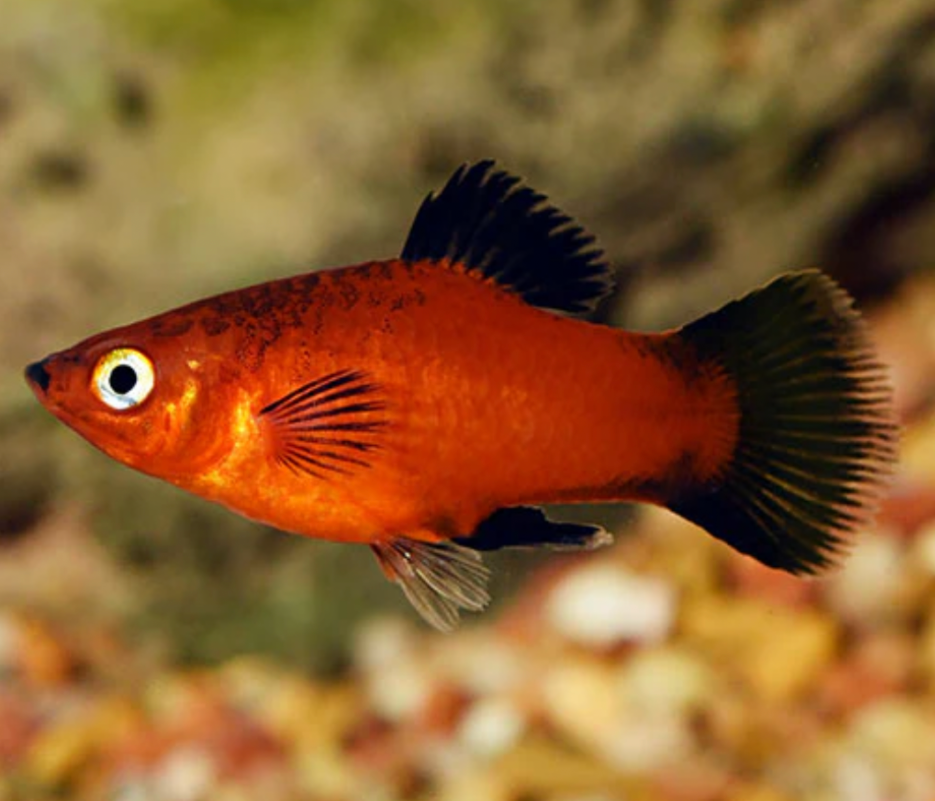
Red Wag Platy Care Guide: One of the Brightest Beginner Fish for Community Tanks
Are you interested in a beginner-friendly, peaceful community fish with a unique appearance? Does your aquarium have a warm, vibrant theme with bold, fiery colors? Then, you’d love the Red Wag Platy, a colorful livebearer with two-toned red and black, which is quite popular with first-time aquarists.
Red Wag Platies, which are also called Wagtail Platy fish and Red Wagtail Platy fish, are easy to care for as beginners in the aquarium trade because they’re omnivorous feeders with a preference for algae grazing.
Providing Red Wag Platy care is easy, but you’d need some experience to manage their health and successfully reproduce this species’ juveniles. With this guide, you’ll have all the answers to your questions about keeping this beginner-friendly red fish.
Author’s Note: Check out our post on the 13 Types of Platies That Are Perfect for Beginner Aquarists for an in-depth overview of the wide variety within this species!
Red Wag Platy Scientific Name & Strain Origins (Xiphophorus maculatus)
Knowing this livebearer fish classification may seem like unnecessary information outside the classroom, but it’s important information to hobbyists interested in providing optimal care for their pets.
By understanding your Red Wag Platy’s origin, you can properly group it with other compatible species in a community tank and provide essential care based on its needs.
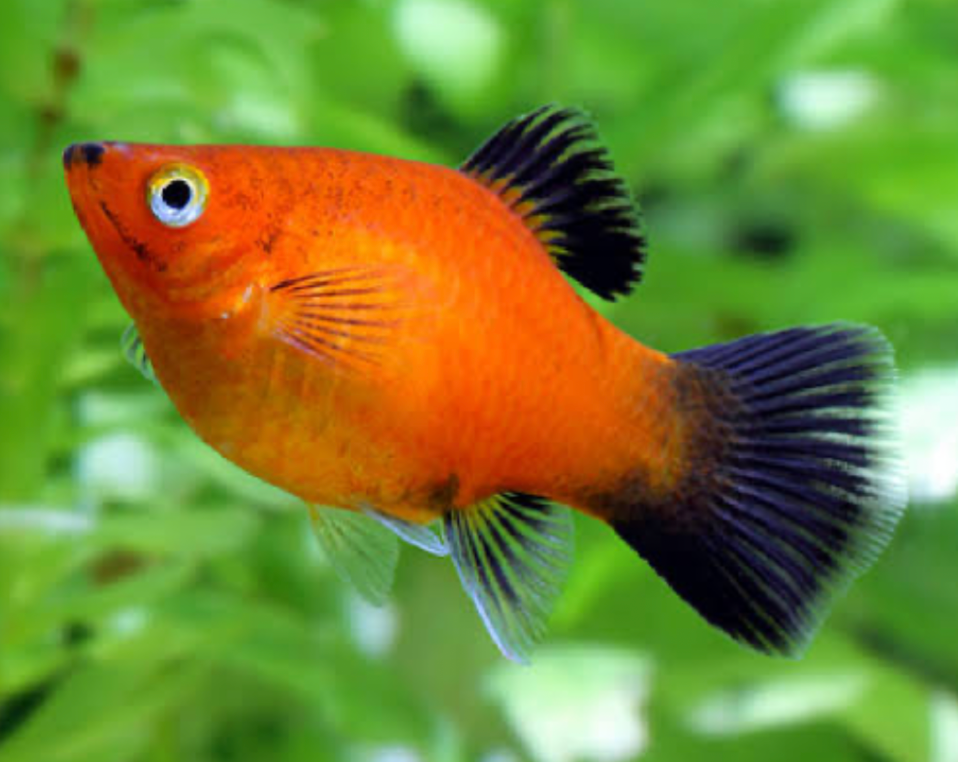
The Red Wagtail is one of the ornamental aquarium platy varieties derived from selective breeding for the specific red-black color. However, it’s the physical characteristics of this species that inspired the red wag Platy’s scientific name, Xiphophorus maculatus.
Xiphophorus maculatus is a combination of Latin words meaning spotted, sword-bearing fish in reference to its colors and pointed anal tail fin, which is specific to the male sex.
Red Wagtail Platys are believed to have originated in Central American waters, but over time, through selective breeding, they developed unique features such as their spotted coloration.
What Makes a Red Wag Platy Different?
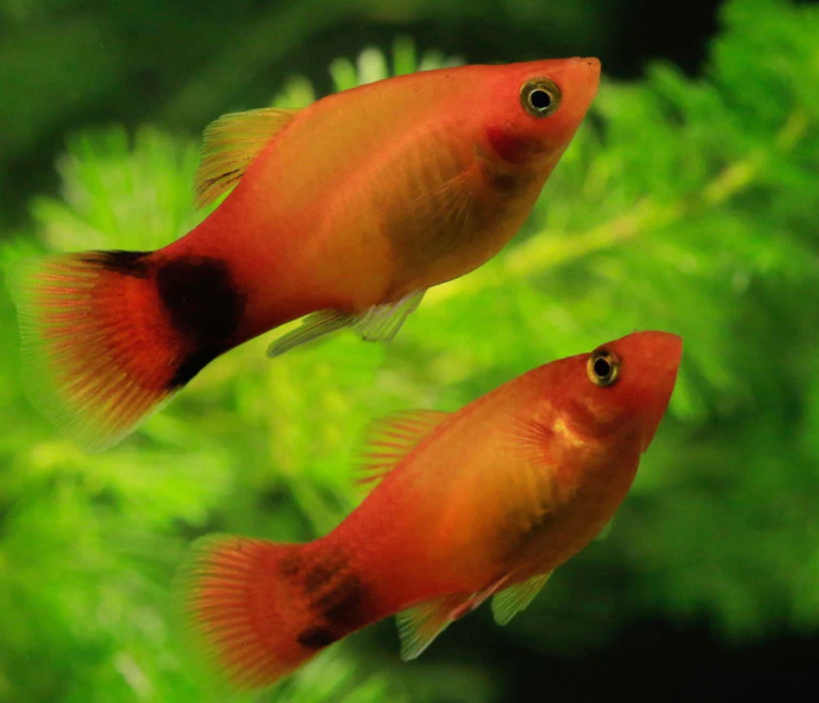
Red Wagtail Platys aren’t just another bright freshwater fish. They have unique features that set them apart from other vibrant Platy varieties, starting with their coloration and markings.
Red Wag Platy Colors
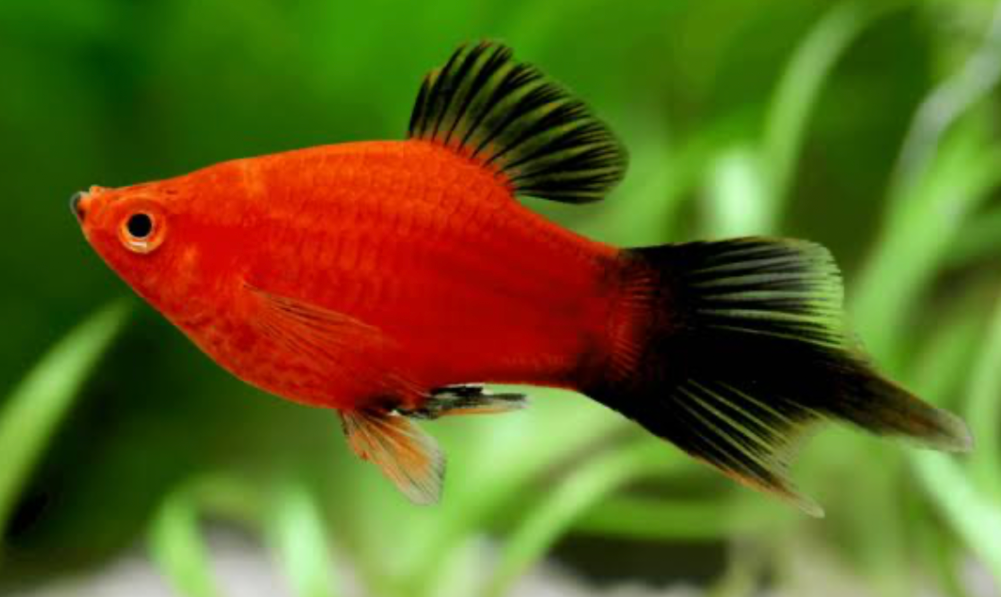
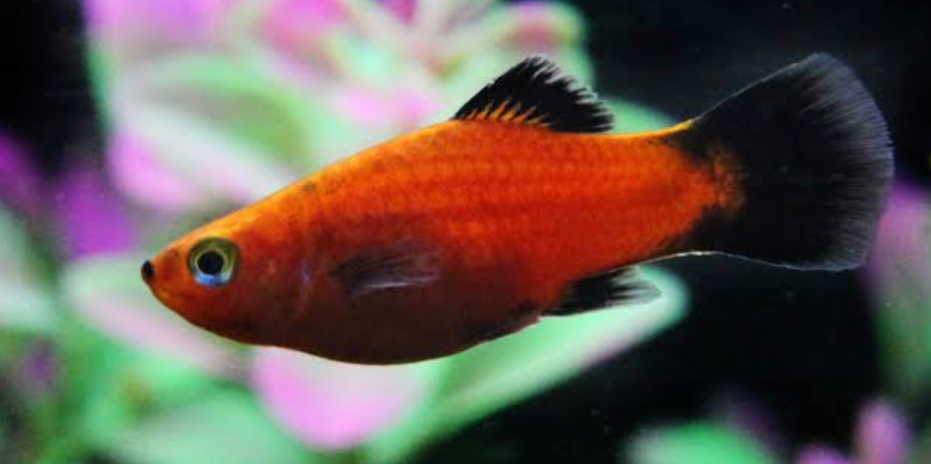
The Red Wag Platy colors feature a contrasting red body with tinted black dorsal and caudal fins that stand out against any aquarium theme backdrop.
These colors are a wide range apart from their ancestors’ natural hues in the wild, which include pale olives, grays, and dull silver bodies with minimal markings.
Red Wag Platy Features
More features of this patterned livebearer fish that’ll keep your attention include its bright silver eyes with black pupils, short fins, and small heads. You can also use its distinctive gonopodium to identify males from the females, who have rounder tail fins and bodies.
Red Wag Platy Size and Lifespan
Would you believe that this beginner fish’s lifespan and size are intertwined? That’s right. A healthy Wagtail Platy grows to its fullest potential and lives a long, healthy life.
Red Wag Platy Size
An adult Red Wag Platy typically measures 2 to 3 inches in length, with females larger than males. That’s why you need a large, long tank enclosure to encourage maximum growth.
Red Wag Platy Lifespan
Unfortunately, neglecting to provide adequate care, such as a suitable tank environment, would lead to stunted growth and a shorter lifespan for Red Wag Platy. With optimal care, your Red Wagtail Platy can live 3 to 5 years.
So, here’s how to give your pets a healthy life outside their natural environment.
Best Tank Size for Red Wag Platies
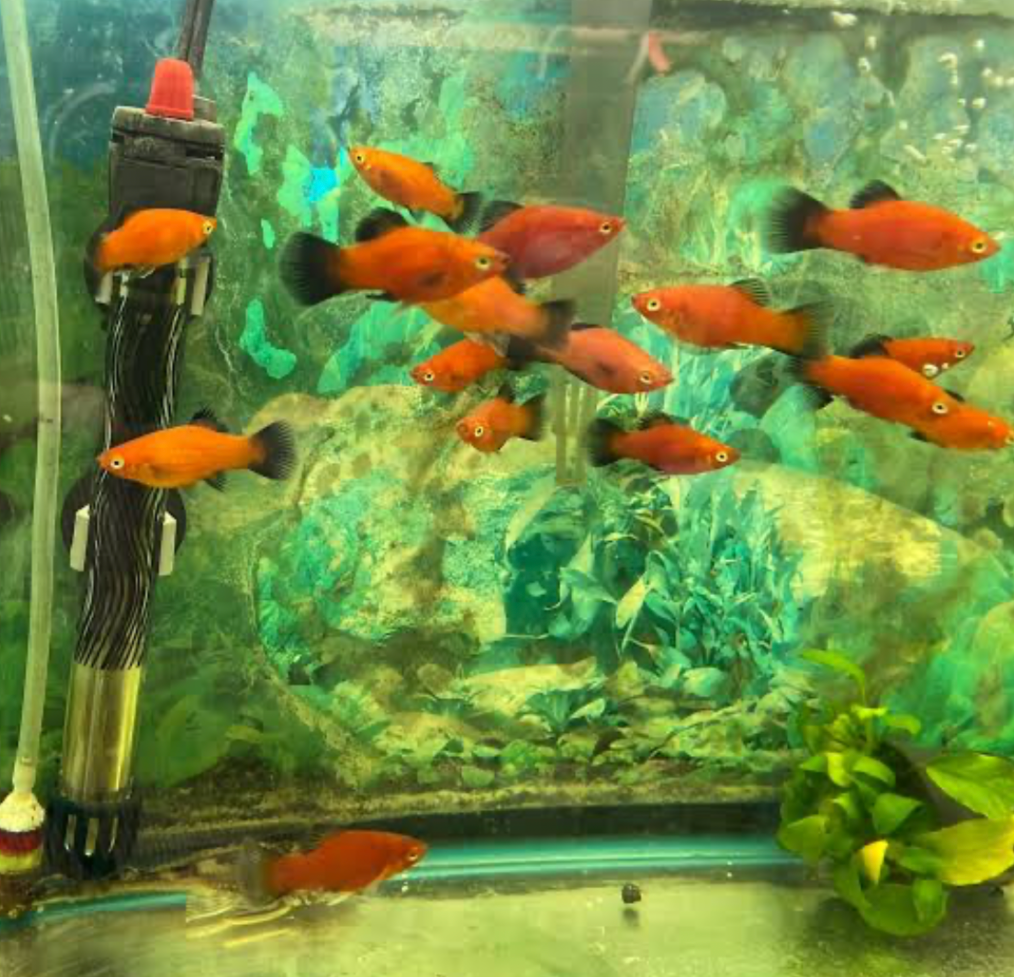
This guide specifically provides ideal specifications for a community-focused planted beginner aquarium. That means, you plan to own and keep at least a small group of Red Wag Platys and possibly expand onto other compatible species.
Tank Size for Single Wagtails
The ideal red wag platy tank size depends on how many fish you plan to keep. For single Platys, a 10-gallon tank is suitable. It’s large enough for spacious and active swimming around the planted interior decor.
Tank Size to Communities
For large communities, which we recommend, you’d need extra space and aquarium tools. Get a minimum of 20 gallons per small group of 4 to 5 Platys, and for every additional 5-inch fish species you put in the tank, add 5 to 10 more gallons of water.
Aquascaping and Hardscaping
Elevate your aquarium’s look with thoughtful aquascaping, using live plants and hard, smooth rocks to simulate the Mexican rivers from which your Red Wag Platy’s ancestors originated.
Use live plants like Water Sprite for the top and Java Moss and Java Fern for the surroundings. They provide suitable hiding spots when your pets feel stressed.
Another underrated aspect of caring for Red Wag Tail Platys is tank maintenance after a successful setup. Keep reading this livebearer tank guide for details on setting the right water parameters and maintaining stable conditions.
Water Parameters for Strong Coloration

API Freshwater Master Test Kit
Amazon Affiliate Link
Maintaining optimal Red Wag Platy water conditions directly affects your pet’s appearance. If you want to keep its warm and fiery colors, here’s what you need:
Ideal Water Conditions
Your Red Wag Platy needs a classic tropical freshwater setup with a temperature between 70 – 70°F, a pH level between 7.0 and 8.0 for slight alkalinity, and a general hardness of about 15 – 25dGH.
Water Maintenance and Stability
For more hard-water fish care tips, ensure you install a high-quality filter in the aquarium to clean the tank immediately after feeding. Filters also help control water pressure, keeping it in check like a stream without sudden fluctuations.
Adding heaters is optional, but they can help monitor your tank’s temperature inside and outside the enclosure.
Author’s Note: Check out The Ultimate Year-Round Aquarium Care Calendar (Season by Season) for a detailed post on maintenance!
Best Foods to Keep Red Wag Platies, Bright
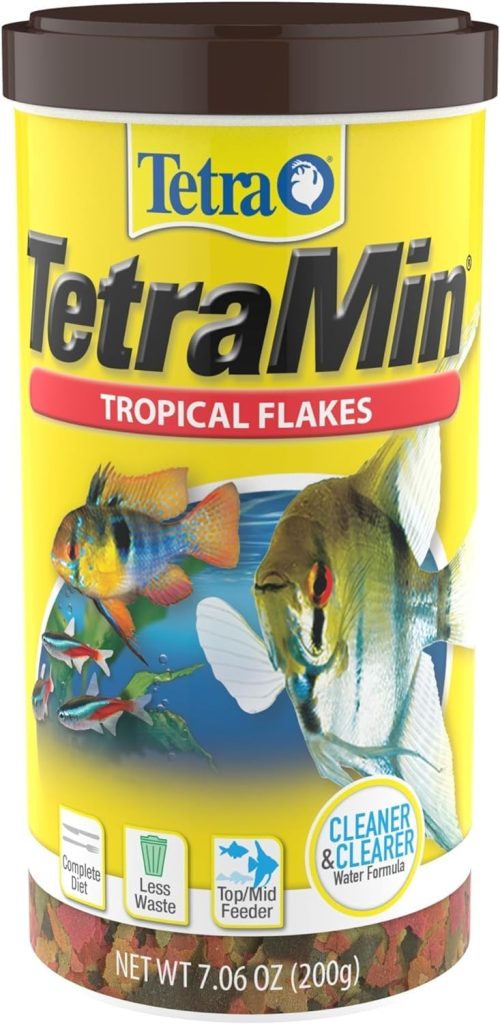
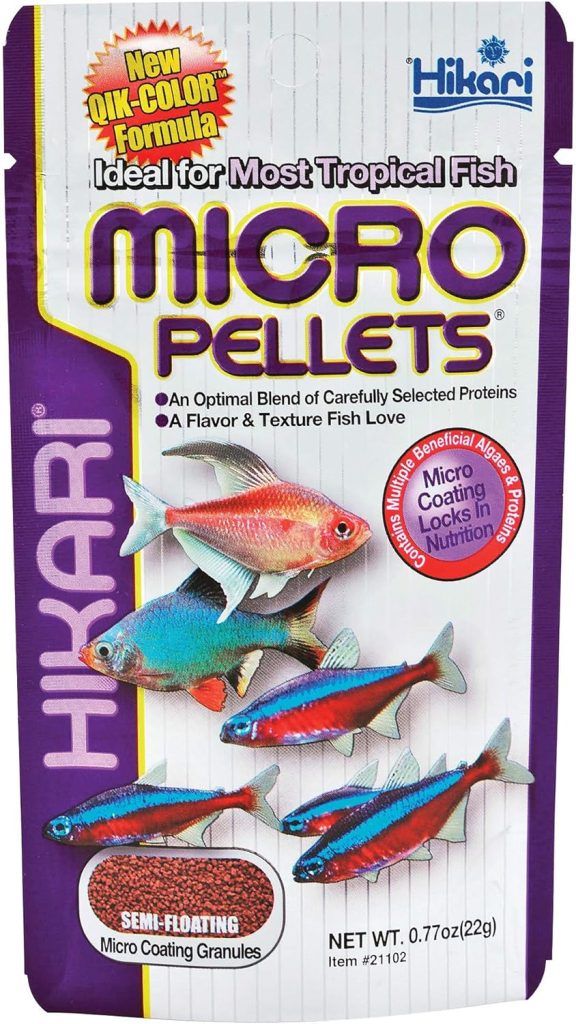
TetraMin Tropical Flake Food (Left)
Tropical Semi-Floating Micro Pellets (Right)
Although a basic livebearer feeding guide would work for your Red Wag Platy, it’s necessary to tweak their diet and include color-enhancing foods to keep their vibrant red/black shades.
But first, let’s discuss the Red Wag Platy’s diet and how you can provide the essential nutrients it needs to survive.
Red Wag Platies eat omnivorous foods, although they’re partial to plant-based diets.
Feed your pets high-quality flakes or pellets specially made for livebearers as staple foods. Serve them portions they can finish within 3 minutes to reduce the risk of overfeeding and obesity, and also prepare a variety of diets for your Red Wag Platy.
This species loves plant-based meals like algae wafers, a rich carotenoid source, and live or frozen foods like bloodworms and brine shrimps, which are also color enhancers, as well as blanched vegetables, which support gut health.
To aid your pet’s feeding habits and reduce the strain on you as you monitor your Red Wag Tail Platy, ensure there are driftwoods to prevent algae growth. With these plant growths, this algae-eating fish can graze when hungry before you come to feed it.
However, ensure that you don’t overfeed your pet by controlling algae growth with LED lighting.
Author’s Note: For more on feeding your aquatic pets check out The Ultimate Guide to Fish Food: Pros and Cons & Best Choices!
Tank Mates: Peaceful Fish That Work Best
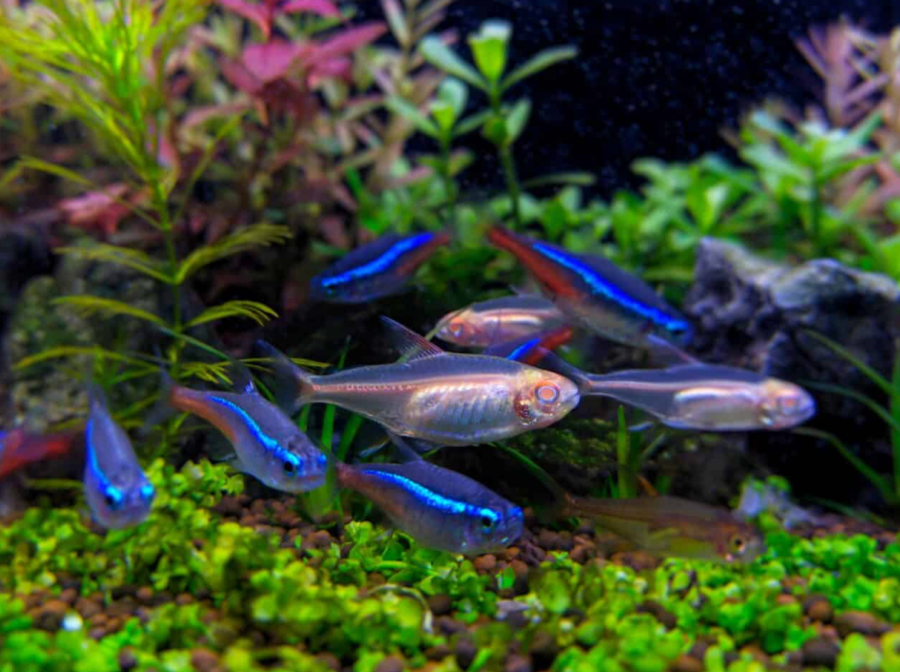
For first-timers looking to curate a beginner community aquarium with the Red Wag Tail species as the centerpiece, the biggest question is who should join the tank. There is such a wide variety of fish that choosing the right ones for a mixed livebearer tank can be complex and confusing, but don’t worry.
Start by understanding the factors that affect the kinds of species that make the best Red Wag Platy tank mate.
- Environmental compatibility
- Similar dietary needs
- Common temperament
Based on the factors listed above, the best companions for your Red Wah Platy include other livebearers, such as Tetras, Guppies, and Corydoras. The Tetras and Guppies are active swimmers, while the Corydoras would be a peaceful bottom dweller.
Breeding Red Wag Platies
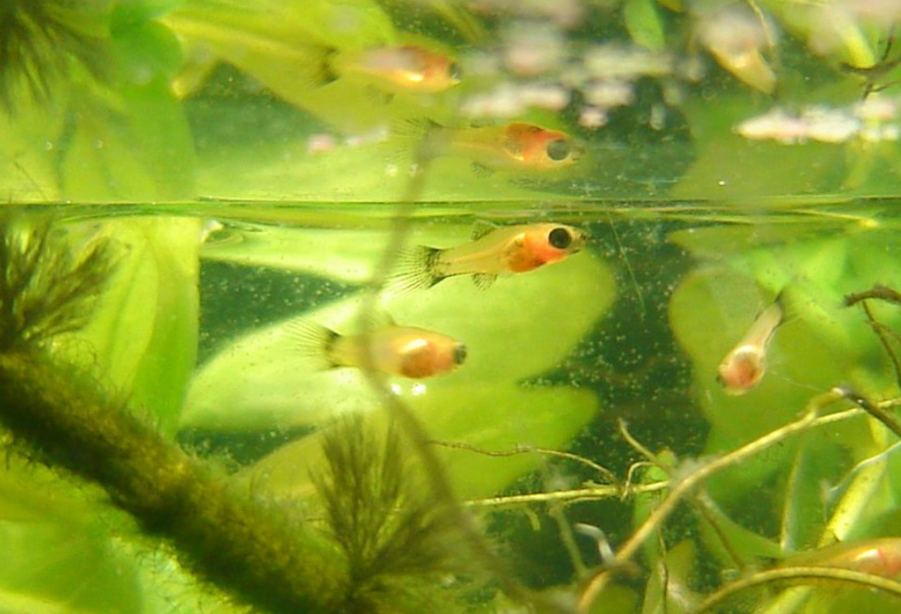
The rules for breeding platies in aquarium tank nurseries are strict because this species is a livebearer. You can’t afford to get it wrong because the lives of 20 to 80 juveniles are at stake.
Every step is important, from your choice of breeding Platys to their tanks and the eventual care of the fry.
Breeding Pair Selection and Conditioning
Select healthy Red Wag Platy breeding adults in a ratio of one male to two or three females for the best results. Ensure that the breeding pair or group is at least 8 to 12 weeks old.
Start conditioning your breeders by improving their daily diet with more protein to build muscle strength and by making the water warmer to encourage mating.
Breeding Tank Setup
While conditioning your pets for mating, set up a separate beginner fish breeding tank. You can add a smaller tank in the main tank or get a standalone enclosure for the breeding nursery.
Increase the tank’s temperature to 75-79°F and add more aquatic plants to provide cover for the incoming fry.
Mating, Fertilization, Gestation, and Delivery
Add the breeding adults into the breeding nursery and watch them mate naturally. The males will perform a mating dance by flashing their fins at the females until the females accept their advances for fertilization.
A single fertilization session can result in the birth of up to 100 fry, although the female Red Wagtail Platys may deliver her juveniles in batches. Pregnant female Platys develop body bellies that turn into dark gravid spots and carry their babies for about 30 to 45 days.
Fry Care
Upon delivery, separate your parent Red Wag Tail Platys from their young to prevent predatory feeding.
If you set up dense vegetation with tall, thick plants like Java Ferns in the tank, your fry will have a nice hiding spot.
Note that Fry color outcomes vary depending on whether you used pure-bred Red Wagtail Platys as the breeding pair or you chose different ancestors from the wild.
Selectively bred Red Wag tail fry develop the unique red and black colors, while wild Platys without the wagtail gene would produce pure red fry without the unique black fins. Also note that the red color is more prominent in males, while the female fry may develop a dusty gold or white color.
Feed your Red Wag Tail fry with liquid fry food in the early days, and as they develop larger, add crushed fry food and baby brine shrimp to their diet.
Common Problems and Prevention
Use this livebearer health guide to handle common Red Wag Tail Platy health problems like a professional. But also bear in mind that preventing red wag platy disease is better and easier than treating an unchecked illness.
Common Problems
Bloating, Ich, and Stress are the top three common problems facing the Red Wag Tail Platy species. They’ll bloat when they overfeed from unchecked algae grazing and uncontrolled access to food portions.
Ich is a white spot disease that appears on their bodies due to poor water conditions. These poor water conditions and incompatible tankmates also cause stress in your Red Wag Tail Platy.
Solutions and Preventions
Providing beginner fish health care is the solution to and the prevention of these common diseases, since most are caused by poor maintenance.
When you notice signs of disease, such as poor swimming patterns and dull coloration, immediately quarantine the affected fish.
Observe your Red Wag Tail Platy to identify the kind of illness it has and trace the cause. During this period, improve water conditions by changing 25-50% of the water and administering the appropriate medication to your fish. If you’re confused, visit a fish vet for a proper diagnosis and treatment protocol.
However, remember that providing a suitable environment, the best tank mates, and a high-quality omnivorous diet for your pets would reduce the risk of disease.
Conclusion
That’s a wrap on this red platy fish care needs. Whether you’re an experienced beginner or a total novice, this guide is the cheat code you need to extend your Red Wag Platy’s lifespan.
From the easy tank setup to the accessible diet plan, this colorful freshwater fish is an excellent starter fish for a beginner community aquarium. If you want to reproduce more of these peaceful livebearer species, the breeding process is straightforward but not simple.
All you need for success with the Red Wag Platy fish is dedication, a good budget, and knowledge.


