Skip to content
Discover everything you need to know about short fin molly care in this easy and engaging guide. Learn how to keep this hardy, colorful, and beginner-friendly fish happy with the right tank setup, diet, and water conditions, while enjoying a lively and stress-free aquarium experience.
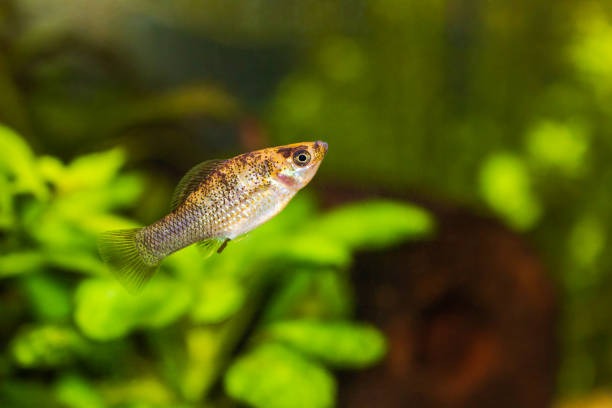
Short-Fin Molly Care Guide: The Original Beginner
If you are just stepping into the world of aquariums, the short-fin molly is one of the best places to start. This fish is often called the original molly because it serves as the foundation for the wide modern varieties you see in pet stores today. From fancy color strains to unique fin shapes, most of them trace back to this simple and reliable species.
When it comes to short fin molly care, simplicity is what makes it so appealing. This fish is easy to keep, adaptable to different environments, and forgiving of beginner mistakes. It does not require complex setups or advanced knowledge, yet it still brings life, color, and movement to your aquarium.
As a common molly species, it is widely available and well understood, making plenty of support and guidance available to new fish keepers. You will find advice from hobbyists, pet stores, and online communities, all pointing to the same conclusion that this fish is one of the easiest to raise successfully.
Many aquarists describe it as a hardy aquarium fish because it can tolerate slight changes in water conditions better than delicate species. This makes it an ideal beginner freshwater fish for beginners, especially if you are still learning to maintain water quality, manage feeding schedules, and understand fish behavior.
Another reason people love this fish is how quickly it settles into a new environment. Within a few days, most mollies become active, curious, and comfortable, exploring every corner of the tank. Their friendly nature and constant movement make them fun to watch, even for people who are new to the hobby.
In this guide, you will learn everything you need to care for this classic fish, from its natural origins to feeding, breeding, and keeping it healthy in your home aquarium. By the end, you will feel confident enough to create a thriving tank that your mollies will enjoy.
Author’s Note: Check out our post on the 12 Types of Mollies That Make Perfect Beginner Fish for an in-depth overview of the wide variety within this species!
Short-Fin Molly Scientific Name, Origin, and Classification (Poecilia sphenops)
The shortfin molly is scientifically known as Poecilia sphenops. It belongs to the Poeciliidae family, a group of fish known for giving birth to live young rather than laying eggs. This unique feature makes them fascinating and easy to breed, even for beginners who have never raised fish before.
Understanding Poecilia sphenops care begins with knowing where this fish comes from. In the wild, it is a Central American livebearer fish found across regions stretching from Mexico down into parts of South America. These fish thrive in a wide range of environments, which is one reason they adapt so well to aquarium life.
Their natural molly habitat includes slow-moving rivers, shallow streams, ponds, and even coastal areas where freshwater mixes with a bit of saltwater. This flexibility allows them to survive in different conditions, making them more resilient than many other species.
Because they live in warm tropical climates, they are used to stable temperatures and mineral-rich water. These natural conditions give you a clear idea of how to set up your tank at home. When you recreate even a small part of their natural environment, your fish will feel more comfortable and behave more naturally.
As part of the wider group of livebearer fish species, the short-fin molly shares similarities with guppies, platies, and swordtails. These fish are known for their peaceful behavior, active swimming, and social nature. They are always moving, exploring, and interacting with their surroundings, which adds life to any aquarium.
Learning about their origin not only makes their care easier but also helps you appreciate how adaptable and interesting they really are.
Appearance
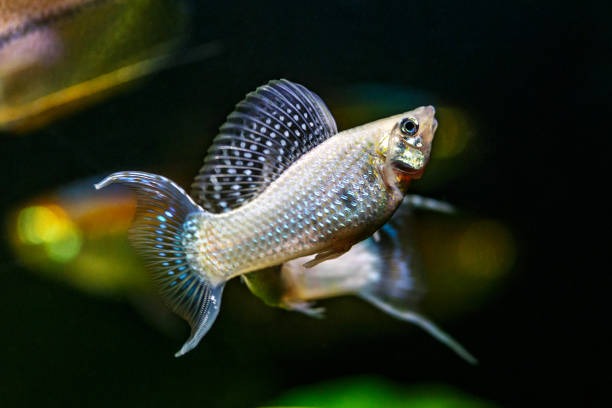
The shortfin molly may not be as dramatic as some fancy aquarium fish, but it has a clean, classic look that many aquarists love. Its body is slightly rounded, with smooth lines, and its short dorsal fin gives it a simple, balanced appearance. This is the main feature that separates it from sailfin mollies, which have tall and flowing fins.
When it comes to short fin molly size, most adults grow between 2.5 and 4 inches. Females are usually larger than males, especially when they are carrying fry. Despite their modest size, they are energetic swimmers that make full use of the tank space.
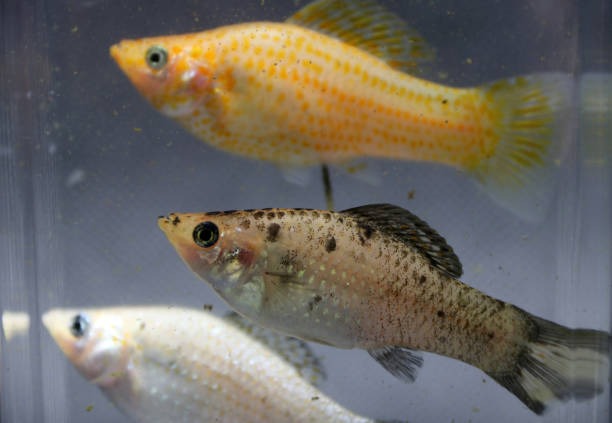
One of the most exciting aspects of this fish is the wide range of ornamental Molly colors available. While wild mollies are often duller, aquarium varieties come in vibrant shades, making them a truly colorful livebearer.
You can find them in solid colors, mixed patterns, and even metallic shades that shimmer under aquarium lighting. This variety allows you to create a visually appealing tank without needing many different species.
Even though it is considered a small aquarium molly, it has a strong presence due to its active behavior. It rarely stays still, constantly swimming, grazing, and interacting with other fish. This makes it an excellent choice for anyone who wants a lively and engaging aquarium.
Common Short-Fin Molly Color Variations
| COLOR TYPE | DESCRIPTION |
| Black Molly | Deep black body with a smooth and rich appearance |
| Gold Molly | Bright golden yellow body that adds warmth to the tank. |
| Dalmatian Molly | White body covered in bold black spots |
| Silver Molly | Light gray body with a shiny metallic look |
| Creamsicle Molly | Soft mix of orange and white with a glowing effect |
Tank Size and Setup
Creating the right environment is one of the most important parts of keeping mollies healthy. A well-planned short-fin molly tank ensures your fish have enough space to swim, rest, and interact naturally.
A minimum of 20 gallons is recommended for a small group. While one Molly can survive alone, they do much better in groups where they can socialize and feel secure. Keeping at least four to five mollies together often leads to more natural and relaxed behavior.
Setting up a planted beginner tank is highly recommended. Live plants not only enhance the look of your aquarium but also provide shelter, reduce stress, and improve water quality.
To build a comfortable livebearer fish habitat, include a mix of open swimming areas and dense planting. This gives your fish the freedom to move while still offering places to hide when they feel threatened or tired.
A good freshwater aquarium layout should include:
- Smooth gravel or sand for easy movement
- Live plants like Java fern, anubias, and Amazon sword
- Decorations such as rocks or driftwood
- Open a central space for swimming
Filtration is also important. Choose a gentle filter that keeps the water clean without creating strong currents. Mollies prefer calm water where they can swim easily without being pushed around.
Lighting should be moderate to support plant growth and show off the fish’s colors. With the right setup, your aquarium will look beautiful and feel natural for your fish.
Water Conditions
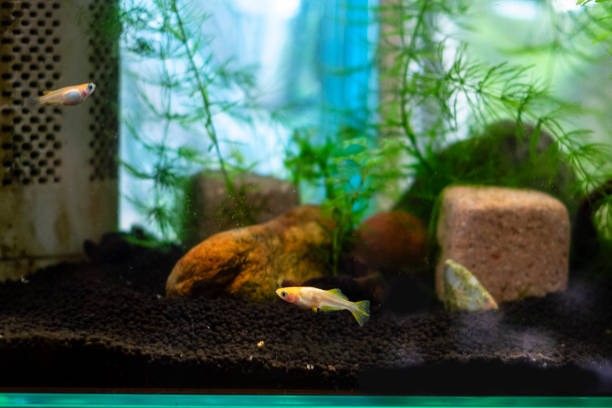
Maintaining proper water conditions is essential for keeping your mollies healthy and active. These fish prefer slightly alkaline, mineral-rich water.
The ideal Molly water temperature ranges between 75 and 82 degrees Fahrenheit. Stability is key, so try to avoid sudden temperature changes that can stress your fish.
As a hard-water aquarium fish, the short-fin molly thrives in water with higher mineral content. If your water is too soft, you may need to add minerals to create the right balance.
Providing proper tropical livebearer care also means keeping the tank clean. Regular water changes help remove waste and prevent harmful toxins from building up.
A stable aquarium environment includes:
- Consistent temperature
- Proper pH levels
- Clean and clear water
- Low levels of ammonia and nitrites
When these conditions are met, your mollies will show brighter colors, better appetite, and more active behavior. Healthy water supports healthy fish, making your aquarium much easier to manage in the long run.
Diet and Feeding
Feeding mollies is simple, but giving them the right variety makes a big difference in their health and appearance. They are omnivores, meaning they eat both plant and animal-based foods.
A good short-fin Molly diet starts with high-quality flakes or pellets. These provide the basic nutrients your fish need every day.
To keep them in top condition, include vegetable foods for mollies such as spinach, peas, and algae wafers. These foods support digestion and help maintain vibrant colors.
Mollies are natural algae-grazing fish, so they will often feed on algae growing in the tank. This behavior not only keeps them busy but also helps keep your aquarium cleaner.
For proper balanced aquarium nutrition, you should also include occasional protein foods like brine shrimp or bloodworms. These should be given in small amounts as treats rather than daily meals.
Feeding once or twice a day in small portions is enough. Always make sure the food is eaten within a few minutes to avoid leftover waste that can affect water quality.
A varied diet keeps your mollies energetic, colorful, and less likely to develop health issues.
Tank Mates
Mollies are known for their peaceful nature, making them ideal for community tanks. Choosing the right short-fin molly tank mates helps create a balanced and stress-free environment.
They do well with other compatible freshwater fish that share similar water conditions and temperament. Avoid aggressive fish that may chase or harm them.
For a lively beginner community aquarium, consider adding:
- Guppies
- Platies
- Swordtails
- Corydoras catfish
- Small tetras
These livebearer companions create a diverse and active tank, with each species occupying different levels. Some swim at the top, while others stay near the bottom, keeping the aquarium dynamic and interesting.
Watching different species interact peacefully adds to the enjoyment of fishkeeping and makes your tank feel like a small ecosystem.
Breeding
Breeding mollies is one of the most rewarding parts of keeping them. They are livebearers, meaning they give birth to fully formed fry instead of laying eggs.
With proper short fin molly breeding, you may find baby fish appearing without much effort. This happens because mollies reproduce easily when they are healthy and comfortable.
The female carries the fry for about four to six weeks. During this time, her belly grows larger and darker. When she is ready, she gives birth to live young that can swim immediately.
Proper Molly Fry care is important because adult fish may eat the babies. To protect them:
- Add dense plants for hiding
- Use a breeding box if needed
- Move fry to a separate tank
Understanding livebearer fish breeding helps you manage population growth and ensures the fry have a better chance of survival.
Raising fry can be a fun and educational experience, especially for beginners who want to learn more about fish behavior and life cycles.
Lifespan
The short-fin molly is known for its durability and relatively long lifespan. The average short fin molly lifespan ranges from three to five years when kept in good conditions.
Several factors influence their health, including water quality, diet, and stress levels. With proper care, their molly fish lifespan can reach its full potential. Because they are a hardy beginner species, they are less prone to disease than more delicate fish. However, they still require consistent care to stay healthy.
Regular tank maintenance, proper feeding, and a peaceful environment all contribute to a longer and happier life for your fish. Healthy mollies are active, colorful, and always exploring, which makes them enjoyable companions in any aquarium
Conclusion
The short fin molly is more than just a beginner fish. It is the starting point for many beautiful molly varieties and remains one of the most reliable choices for aquarists of all levels.
As a beginner livebearer fish, it offers everything you need for a successful aquarium experience. It is easy to care for, adaptable, peaceful, and visually appealing.
This short fin molly guide shows that fishkeeping does not have to be complicated to be enjoyable. With the right setup and care, you can create a thriving environment that supports healthy and happy fish.
If you are looking for a dependable and rewarding species, the short fin molly is an excellent choice. With proper common molly care, your aquarium can become a vibrant and relaxing space that you will enjoy every day.