Skip to content
Meet the Gold Molly, a simple yet exotic-looking Molly species that upgrades your aquarium community with its striking golden hue.
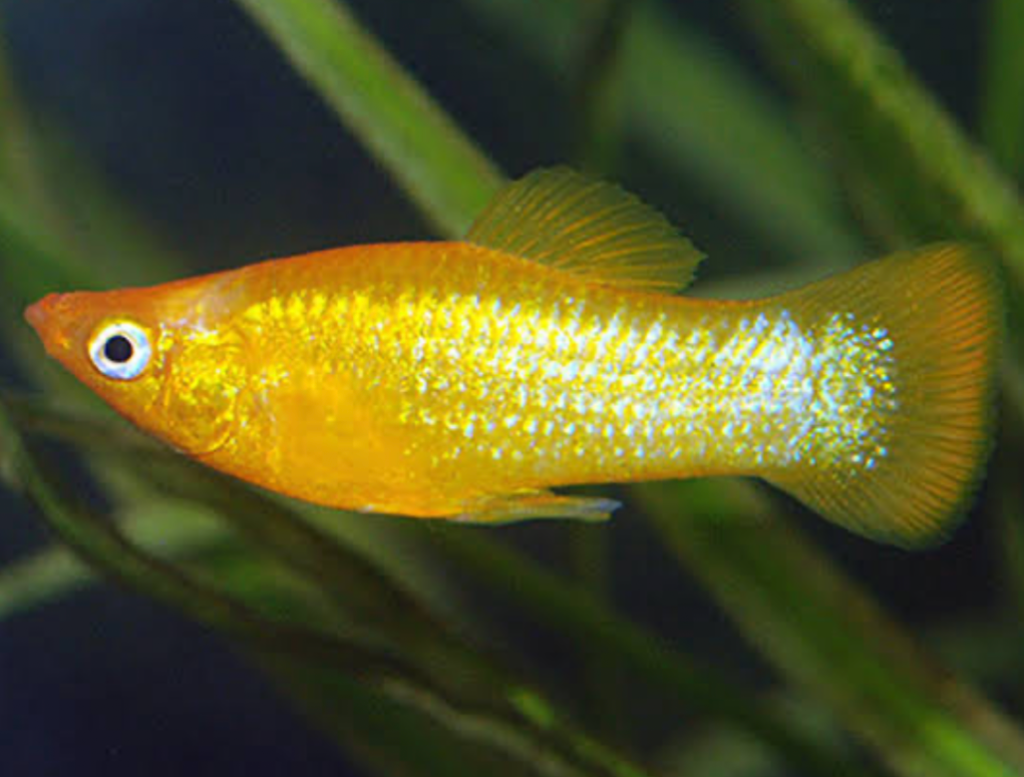
Gold Molly Care Guide: Bright Golden Livebearer Perfect for Beginner Aquariums
Most first-time aquarists opt for beginner molly fish like the Gold Molly to start their new hobby because of its vibrant color and ease of care. If this is your introduction to the world of aquarium keeping, this colorful livebearer fish may interest you.
Gold Molly fish is the choice to make when you want a species that stands out as a centerpiece in a small to medium-sized tank. It’s a common Molly with striking coloration and a peaceful temperament, passing as an ornamental species without the dramatic personality.
In this guide, you’ll learn essential care tips for managing a Golden Molly group in your aquarium, including tank setup and breeding tips for reproduction.
Author’s Note: Check out our post on the 12 Types of Mollies That Make Perfect Beginner Fish for an in-depth overview of the wide variety within this species!
Gold Molly Scientific Name, Origin, and Classification (Poecilia sphenops hybrid)
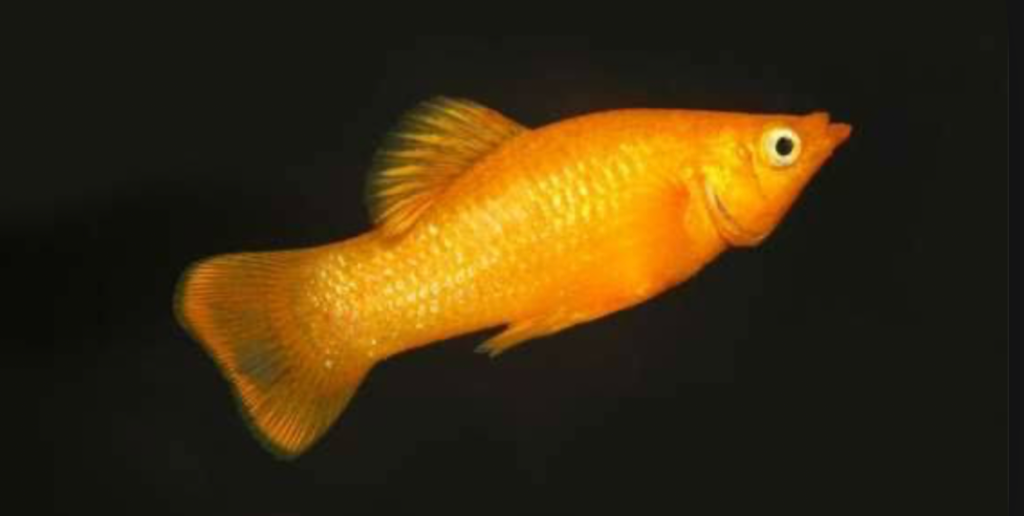
If this is your introduction to Mollies as a fish type, then buckle up as we dive into the taxonomy of Poecilia sphenops to determine where the Gold Molly species fits in the Poecilia classification.
Mollies are a part of the Poeciliidae family and originate from the Poecilia genus. This family belongs to the broad Order of Cyprinodontiformes, also called Ray-finned fishes due to their physical characteristic, particularly their fin shape.
Gold Molly is a selectively-bred mutation of the classic short-fin Molly species. Because this species has a color morph difference rather than a structural difference, the Gold Molly’s scientific name remains Poecilia sphenops, the common Molly.
So, this golden molly fish species has the same origin as the common Mollies found in the wild around the Central and South American waters, which flow from Colombia to Mexico.
These regions often have coastal streams and estuaries, creating habitats that mix freshwater and brackish water.
Due to their selective breeding, though, your Gold Molly can have color variations that separate it from the common class into the ornamental class.
Appearance and Color Variations
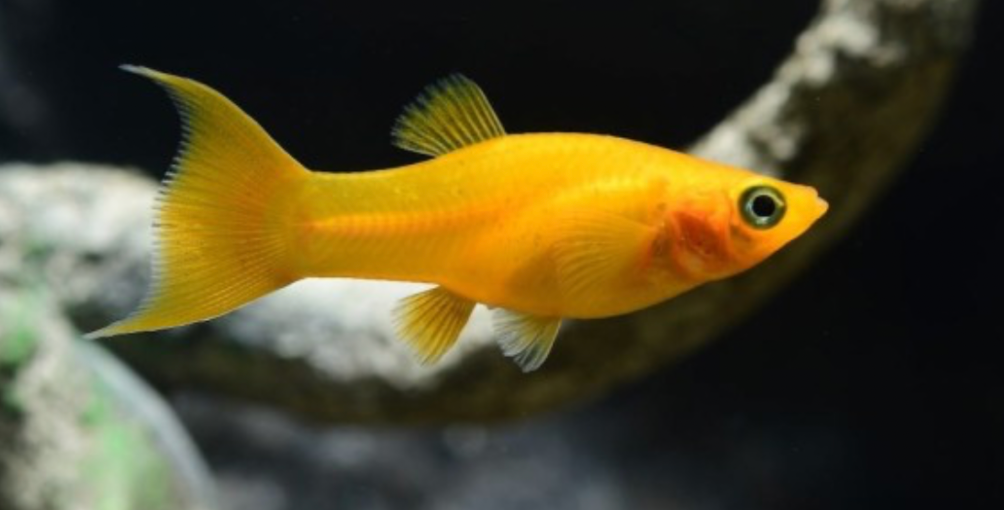
Before we get into the details of the ornamental Gold Molly morphs, let’s distinguish the common Gold Molly’s appearance and coloration from the rest.
Appearance of the Gold Molly
This Yellow Molly fish often has a short fin, although rare breeds may develop lyretails on the caudal fin. Other rare variations include the Balloon Gold Molly, which has a compressed spine, a rounder body, and a small head, and the albino Gold Molly, which lacks pigment and has pink eyes.
Color Variations of The Gold Molly
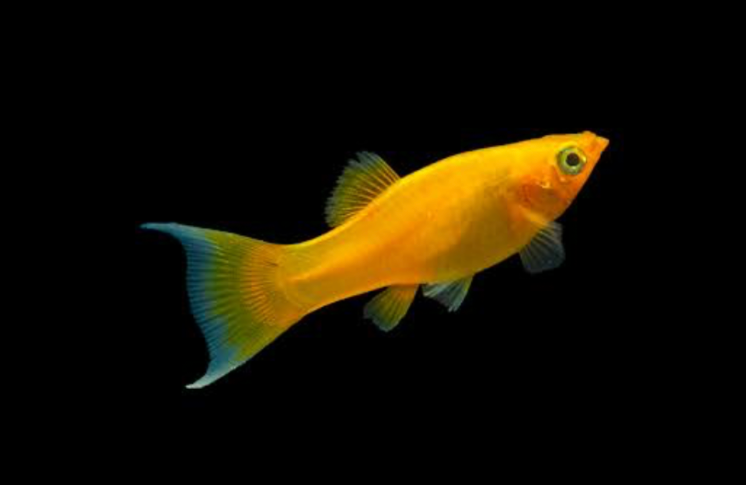
Understanding the different Gold Molly color morphs is necessary because it’s easy to confuse this species with others that look similar. A classic Gold Molly has a bright, golden-yellow body, which is why it’s sometimes called the Yellow Molly fish.
However, through selective breeding, this golden-yellow body may morph into different patterns and colorations, including a metallic or even orange hue. See the table below for some common variations of the gold molly color.
| GOLD MOLLY TYPE | UNIQUE COLOR VARIATIONS |
| Gold Dust Molly | Half Gold upper body, Half Black lower body with speckles of black dust on the golden half. |
| Sunburst Molly | Yellow bodies with red tints on the scales |
| 24-Carat Gold Molly | Metallic Gold sheen with dark marbled scales. |
| Creamsicle Molly | Creamy Yellow Body with Orange highlights. |
These color morphs occur depending on lighting and diet during the breeding stage. For a deeper, richer, golden-yellow color, you must improve your pet’s diet with carotenoids and other color-enhancing foods and add LED lighting to the tank.
Note that lighting and diet, which can positively affect color, can also work negatively. When your pets are stressed and malnourished, they exhibit faded colors as a sign that their living conditions need improvement.
Adult Size and Growth Rate
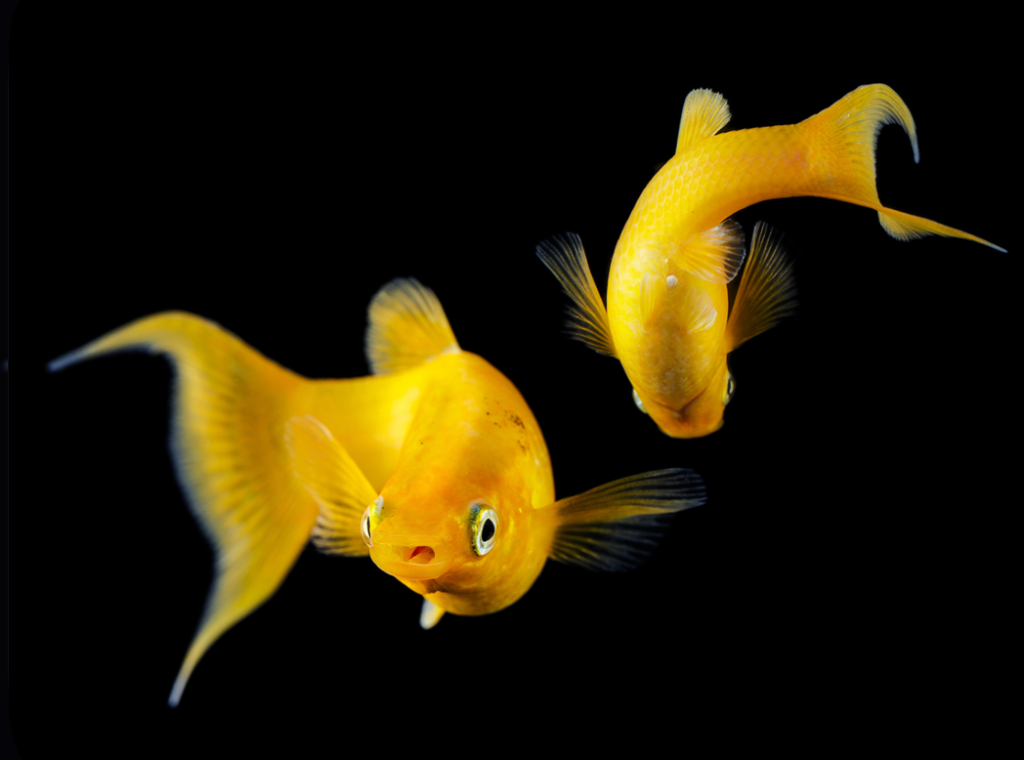
An average adult Gold Molly is about 2.5-4 inches, with females larger than males. However, in controlled environments, such as large breeding tanks, your Gold Molly may add an extra inch or two to its overall length.
For a small community with a fish size of about five Gold Mollies per 20-gallon tank, the average Gold Molly growth rate during breeding is 4 – 6 months, with the fry growing about 10.4 – 0.6 inches weekly.
However, their ability to reach maximum potential size depends on how well you care for them, including providing the ideal environmental setup.
Tank Size and Aquarium Setup
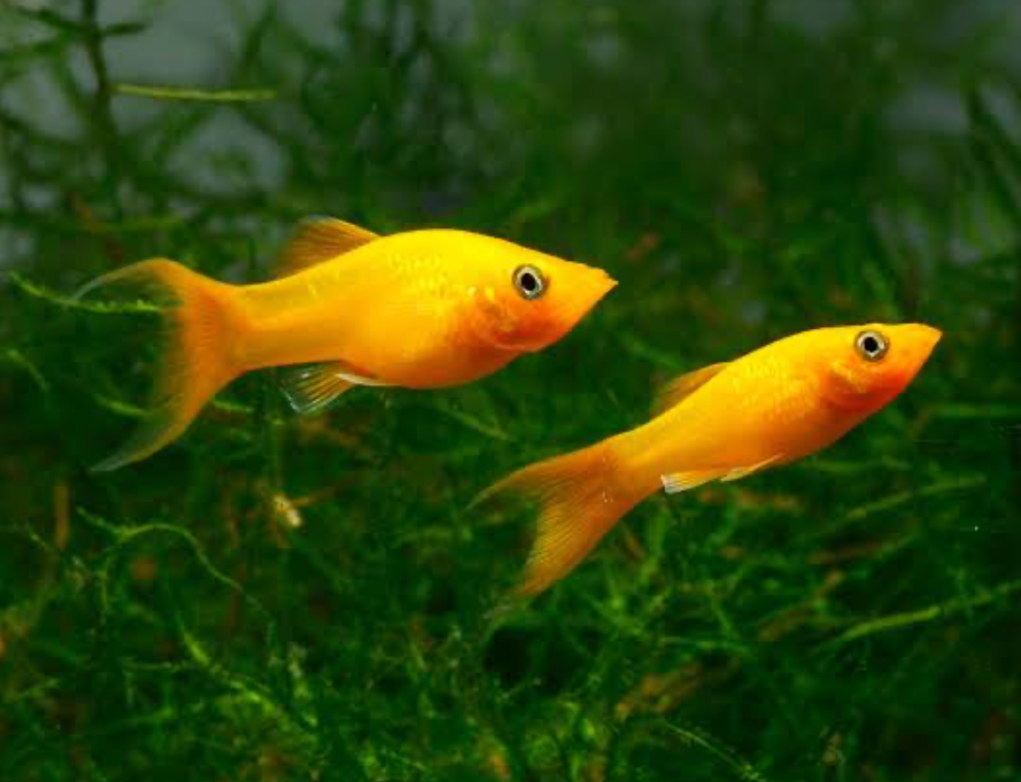
Sticking to the recommended gold molly tank size and aquarium setup is necessary for your pets to live comfortably and achieve optimal growth. Each recommendation accounts for your pet’s physical size, temperament, habits, and tank mates, so pay careful attention.
Tank Size
Although Mollies aren’t active schoolers, they will benefit from living in groups. So, get a minimum molly fish tank of 20-30 gallons of water per group of 4-5 Gold Mollies for a spacious setup.
You can choose a tall or long tank depending on your preferences, but having a long, wide tank is good as it matches their natural body shape and swimming pattern.
Aquascape Setup
After choosing the right enclosure, prepare your molly aquarium setup for an optimal experience. Remember your pet’s natural habitat: a tropical region with fresh and brackish water. Here’s how you can recreate the same in your tank:
Use fine sand or smooth gravel as the substrate to ensure a gentle surface for sifting and grazing. Add live plants such as Anubias, Java Fern, Moss, and Amazon Swords for them to use as shelter and familiar decor.
Create an open swimming space in your setup to encourage their naturally active habits without worrying about your pets knocking over the decor.
Finally, install a high-quality filtration device, preferably a Hang-on-Back filter for medium- and small-sized tanks, to keep the water clean and control the current.
Water Parameters and Ideal Conditions
Naturally, Gold Mollies are a freshwater fish, but they’re tolerant of brackish water conditions due to their natural habitat. You must keep the water hard with an alkaline pH range while maintaining stable tropical temperatures.
So, the ideal Gold Molly water parameters and chemistry for healthy mollies are as follows:
- Temperature: 75 to 82°F
- pH Level: 7.5 – 8.5
- Hardness: 12 – 25 dGH
For salinity, you can optionally add marine salt to your aquarium water to raise the specific gravity to 1.004 and keep the water clean after every feeding session.
Keep reading for more tropical freshwater fish care tips.
Diet and Feeding Requirements
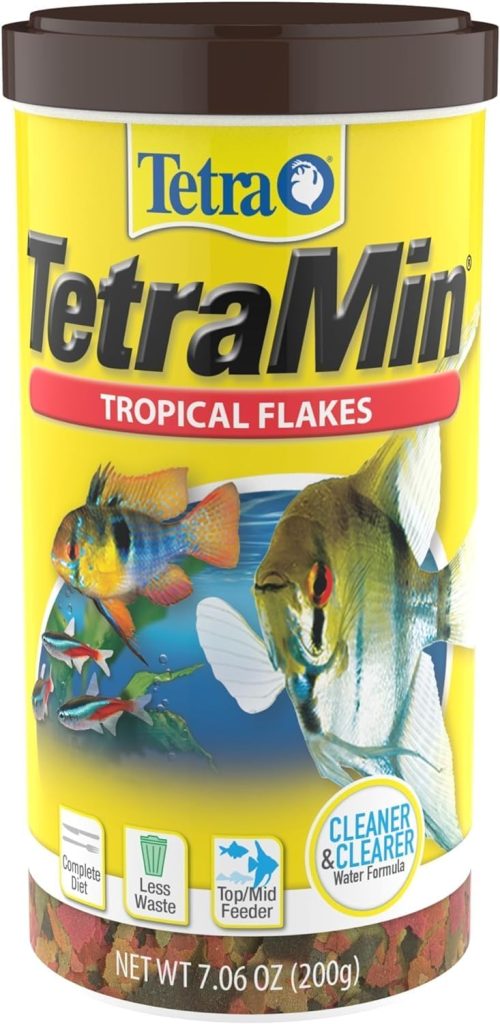
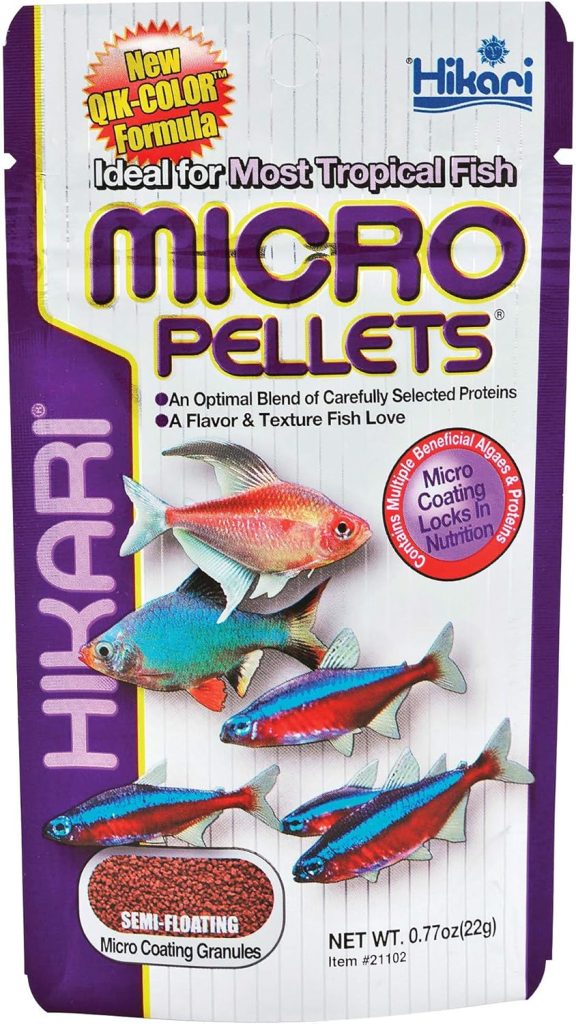
TetraMin Tropical Flake Food (Left)
Tropical Semi-Floating Micro Pellets (Right)
Gold Mollies have the same overall diet as common mollies since they share feeding behaviors and preferences. They’re omnivores with a love for vegetables, although they also need animal-based foods on occasion for healthy development.
What Do Mollies Eat?
You can get your pets any classic high-quality commercial Molly fish food, like pellets and flakes, as staples. Also add vegetable foods such as spirulina, peeled peas, algae wafers, and blanched spinach.
They’re natural algae-grazers, so ensure there’s a little algae growth in your planted tank for their consumption, but don’t rely on it as the only food source. These vegetables, especially spirulina, are good for boosting your pet’s color while bloodworms build their muscles.
Author’s Note: For more on feeding your aquatic pets check out The Ultimate Guide to Fish Food: Pros and Cons & Best Choices!
Feeding Requirements for Healthy Growth
Tailor your gold molly’s diet for a balanced mix of all the nutrients it needs. Serve them staples twice daily, while supplements such as bloodworms and some vegetables can be treats every other day.
Always serve your pet small portions that they can consume in less than 2 minutes to prevent overfeeding.
Tank Mates and Community Compatibility
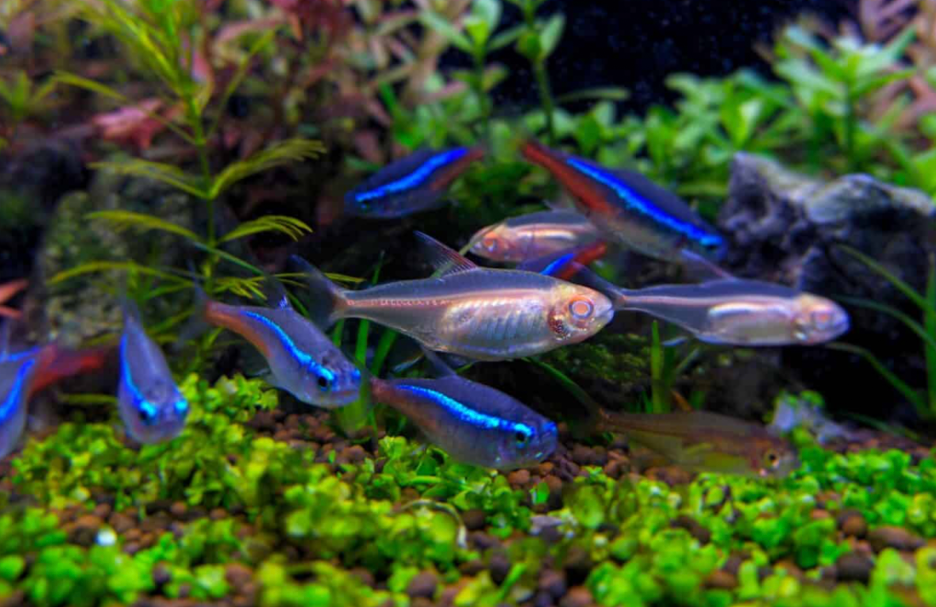
Earlier, you saw that Gold Mollies aren’t schoolers, but did you know that it’s a molly community fish? That’s right. With the right companions, this species can thrive alongside other aquatic pets in a single aquarium, providing a diverse display of water pets.
Testing Community Compatibility
To determine whether a species is a peaceful aquarium fish suitable for your Gold Molly fish, you must put it to a quick test. Check its compatibility with your Gold Molly based on its environmental needs, dietary preferences, swimming capacity, size, and temperament.
Compatible species would match your Gold Molly in all aspects, such that they won’t become a threat or be threatened by your pets.
Ideal Tank Mates for Gold Molly
Peaceful gold molly tank mates that pass the test include Platies and Swordtails as other livebearers, Corydoras Catfish as bottom-dwelling, calm fish, and Tetras as fast swimmers with a love for community living.
Breeding and Livebearer Reproduction
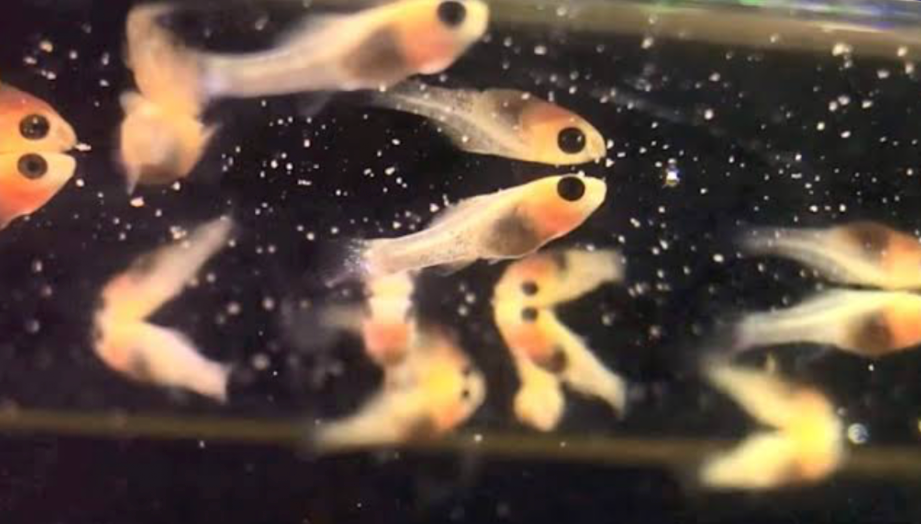
Livebearer fish reproduction is easy but sensitive because these species skip the egg stage and give birth to their young alive. So, you must prepare to immediately care for Molly Fry once your female Gold Molly delivers her offspring.
Breeding Tank Setup
Prepare a separate molly breeding tank with about 20 gallons of water, a temperature of 78°F, a pH range of 7.5 – 8.0, and up to 25 dGH hardness. Swap your HOB or canister filter for a gentler Sponge Filter to avoid harming your fry.
Add more live plants like hornworts to protect your fry after birth or a breeding mop if you can’t get hornworts.
Conditioning the Breeding Pair
Choose your breeding pair or group. For groups, ensure there’s a ratio of one male to at most three females to help the male spread its aggression. Increase your pet’s protein intake by adding daphnia and bloodworms to their diet about two weeks before fertilization.
Fertilization and Gestation
Once your breeding pair or group is ready for action, place them in the breeding tank and wait for them to mate. The male chases the female(s), then mates and fertilizes them sometime around dawn.
The pregnant female will carry her babies for about 4 – 6 weeks, during which her belly will become darker and gravid. She would also grow to about 6 inches during this period, indicating she’s ready to deliver.
Delivery and Fry Care
After 4 – 6 weeks, the female Molly will then deliver her fry directly into the water. Note that this process can happen in batches from a single fertilization. So, watch your female Molly fish to ensure she has completed her delivery before removing her from the breeding tank.
That’s why it’s always better to have a breeding nursery where you can move the Molly fry to prevent the female mollies from eating them.
You can include a breeder box in the breeding tank for specific Molly fry care. Feed your newly hatched fry with micro-worms, crushed flakes, and crushed brine shrimp for healthy growth.
Also, change 20-45% of the water weekly during this stage, as Molly Fry is more sensitive to poor water quality than adults.
Lifespan, Health, and Common Issues
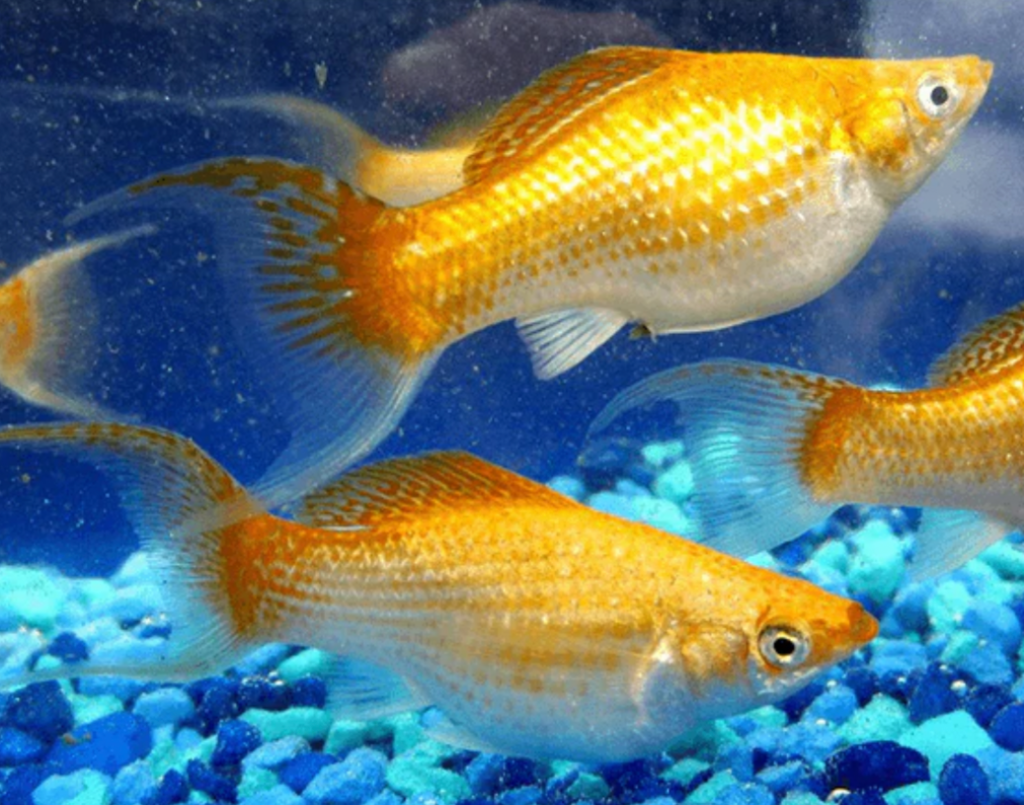
A gold molly’s lifespan extends between 3 and 5 years with proper care and attention. However, your pet is still at risk of certain molly diseases that can shorten its lifespan. Watch for health concerns, identify their signs, and treat or prevent the illness immediately.
Health Concerns & Common Issues
Common health issues plaguing your Gold Molly include poor water quality, stress, parasitic infections, and bacterial infections.
Poor Water Quality from ammonia poisoning and stress shows up as shimmies, swim bladder disorder, causing abnormal swimming patterns, redness, and damaged gills. Parasitic infections include ich and velvet, which show up as white spots and dusty gold rust on your pet’s body.
Bacterial infections show up as fin rots, cottonmouth, popped eyes, and dropsy in severe cases. You’ll always notice bacterial infection as abnormal body markings.
Treatment and Prevention
Preventative care and molly health management for first-aid treatment include maintaining stable water parameters, making regular water changes, and quarantining the affected fish for specialized treatment.
Conclusion: Why Gold Mollies Are Great Beginner Fish
Vibrant colors, easy care needs, and a peaceful personality are the qualities that make the Gold Molly species a popular, beginner molly fish.
If you’re looking to beautify your tank with a colorful community fish that won’t stress you out, then the Gold Molly is perfect. You can get a true Gold Molly or any of its unique color variations for a variety display.
It doesn’t matter if this is your first time trying your hand at aquarium keeping. The info in this Gold Molly guide is complete and comprehensive enough for you to even reproduce more of this fish in a specialized breeding tank.