Skip to content
Introducing the semi-aggressive Albino Tiger Barb fish to your aquarium is a great way to add a unique color morph through a common Barb fish species. In this post we will detail everything needed to care for this beautiful fish.
Albino Tiger Barb: Pale Variant of the Classic
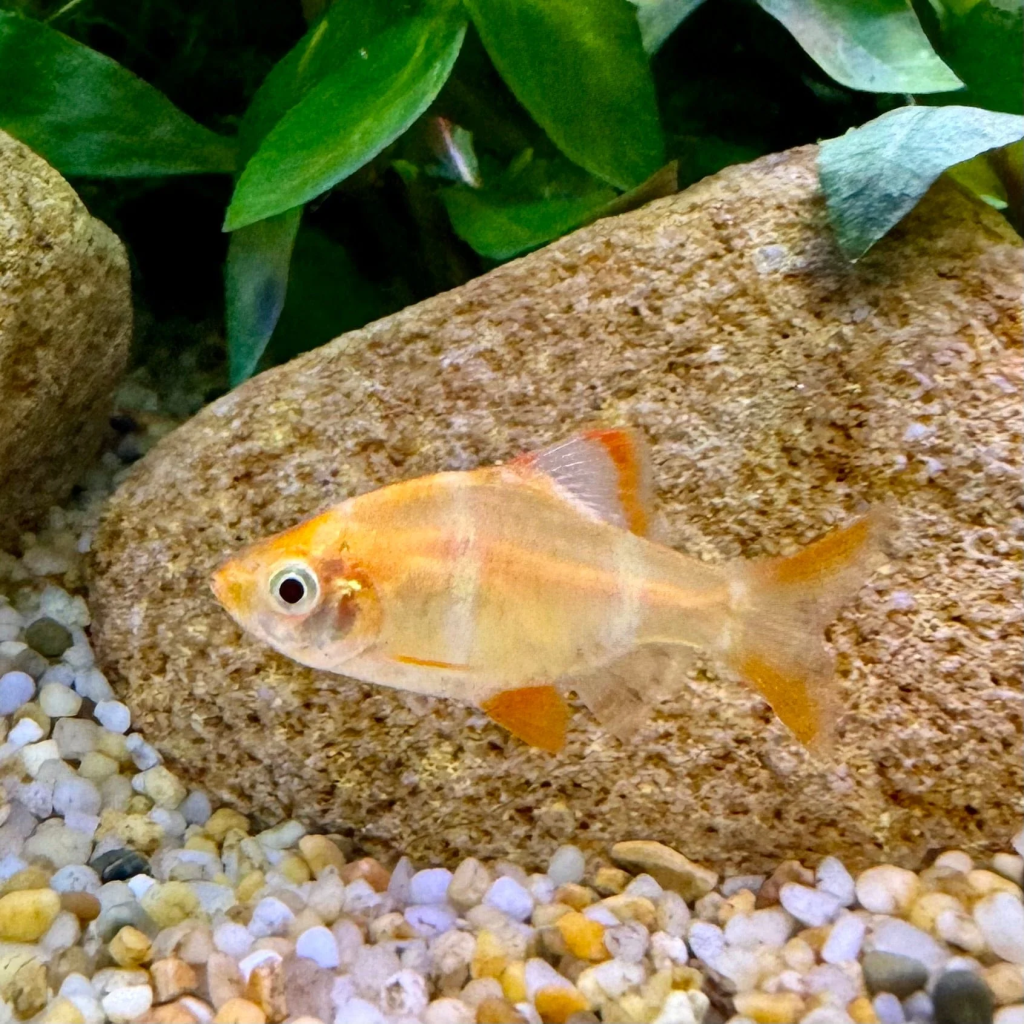
Albino Tiger Barb is a pale-colored variant of the common Barb and a sub-variant of the Tiger Barb morph. This pale tiger barb variant is one of two genetically modified color morphs of the Tiger Barb variant popular for adding unique colors to regular tanks.
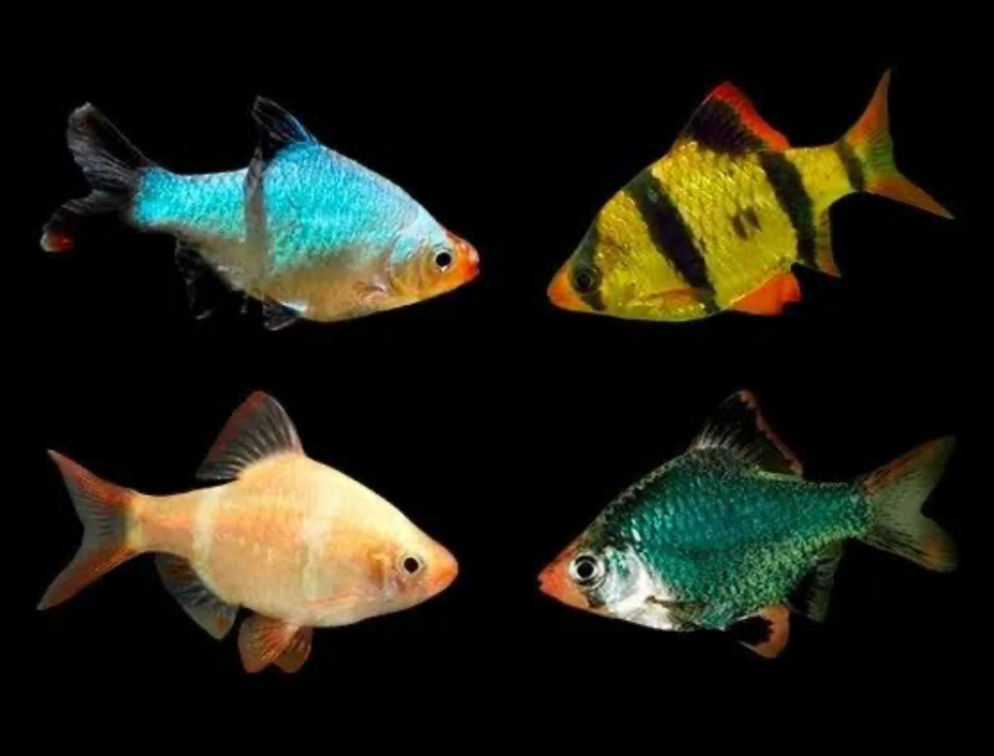
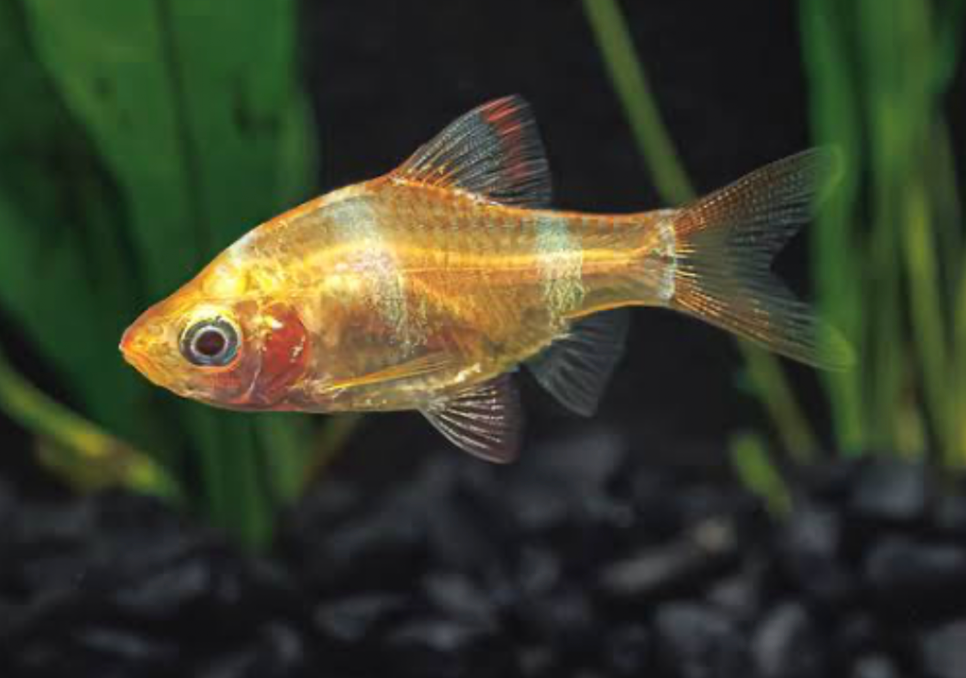
Unlike its green counterpart, this pale tiger barb brings a brighter, softer tone to your aquarium with its yellowish-lined scales and vibrant red-orange accents.
Because this species’ behavior mirrors that of a common tiger barb, you can easily manage Albino Tiger Barb care. You may even do less work because it’s slightly less aggressive than other tiger barbs unless stressed and uncomfortable.
Author’s Note: Check out our post 13 Types of Barbs That Are Perfect for Colorful Beginner Nano Tanks which includes details on even more barbs to choose from!
Identification & Lighting Needs
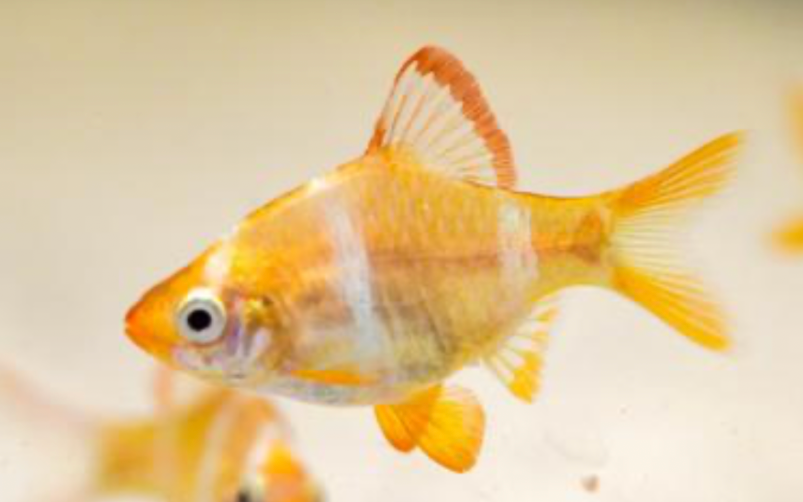
Identifying an Albino Tiger Barb is easy once you know what to expect, but be careful because the albino morph isn’t unique to Tiger Barbs or common Barbs only.
However, once you combine other physical characteristics with the color, you’ll be able to identify albino tiger barb fish like a pro. This identification helps you choose your pets from group selections in fish markets and also affects how to care for them as pets.
Identifying Albino Tiger Barbs
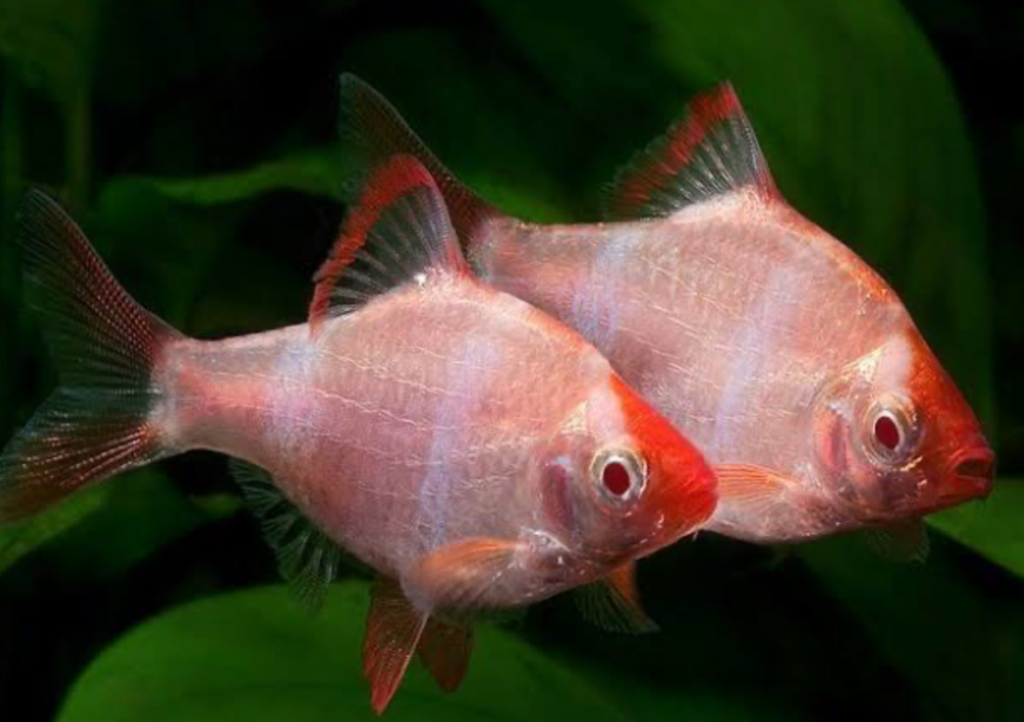
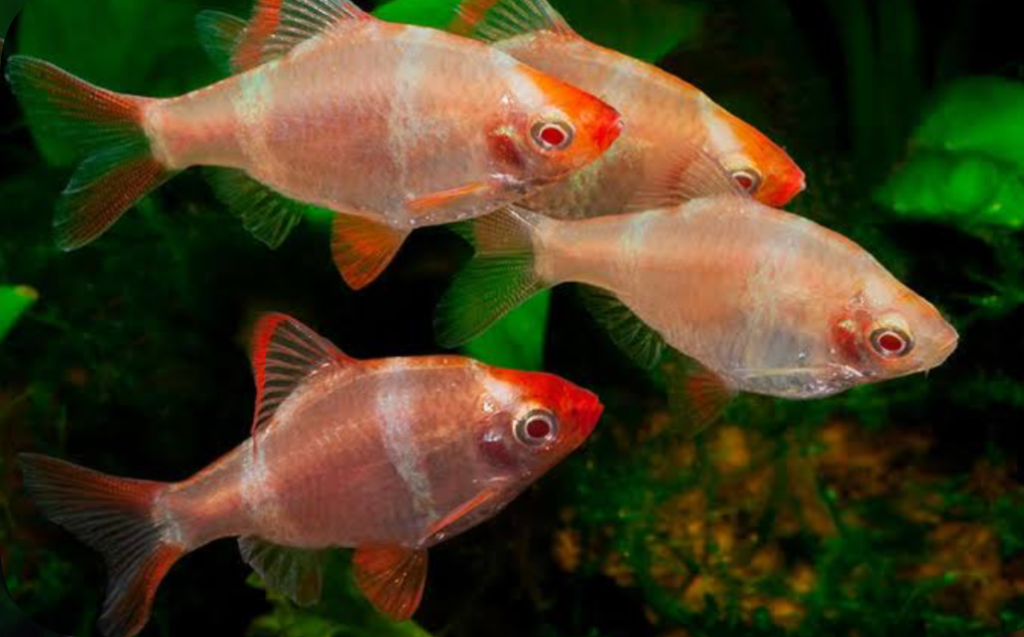
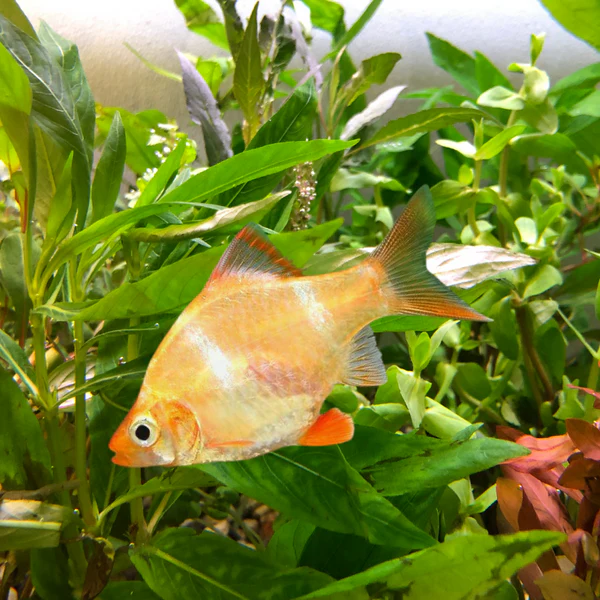
Albino Tiger Barbs have 3-inch bodies covered in translucent pale yellow to creamish scales. Like the common tiger Barb, the Albino morph also has four striped bands around its body, but they are not black.
Their stripes appear in varying pale tones from pink to light orange and even creamy white, while their fins have bright red/orange tints.
Besides its pale tone, another unique albino characteristic of this Tiger Barb subvariant is its red eyes. These eyes are highly sensitive and irritable, so set up suitable albino fish lighting to protect your pets from blindness.
Lighting Needs in Albino Tiger Barb Tanks

Use moderate aquarium lighting for pale fish like Albino Tiger Barbs, which have sensitive red eyes. You can use adjustable LED lighting and add an extra layer of protection by covering direct light with aquatic plants.
Author’s Note: Check out our post Best LED Aquarium Lighting Units for Your Gallon Tank Capacity for an in-depth review of the best options for lighting!
Also add tall plants with soft leaves, such as Amazon Swords and Hornworts.
Tank Setup & Stocking
Before setting up your Albino Tiger Barb’s tank, you must know that it’s a schooling fish that thrives in groups of six or more. So, consider how the tank space would benefit your school of albino barbs.
Setting Up an Ideal Tank
The ideal albino tiger barb tank size for an average group of six is 30 gallons, so that there’ll be about 5 gallons of water to each barb in the school. You can choose any tank shape, but a wide one that encourages mid-level movement is ideal.
Next up is setting up the decor and substrate.
Because they’re pale fish, layering your tank with a dark substrate, such as fine gravel or smooth sand, is ideal. It’ll also provide a contrast to their pale skin without causing injury.
Finally, decorate the tank with driftwood, smooth caves, rocks, and smooth-edged aquatic decor. The rocks will serve as hiding spots when your pets get overstimulated or embarrassed.
Stocking Albino Tiger Barbs
Two things to note before stocking Albino Tiger Barbs are their activity level and territoriality.
So, to meet their schooling needs, always ensure you have a minimum group of six in your tank, while waiting till the last minute to add them to the community helps to manage territoriality.
Also, be careful about the other tankmates you add to the community. Choose fish that look similar and have similar temperaments to reduce fin nipping.
Water, Diet & Feeding
Albino Tiger Barbs need balanced fish nutrition like common barbs to survive. They are omnivores who eat both plant- and animal-based foods but need measured portions to support their growth, development, and appearance.
But before we discuss feeding, let’s add water to your aquarium and the equipment needed to keep it clean.
Water in Albino Tiger Barb Tanks
Your Albino Tiger Barb’s water temperature should be between 72 – 82F with a slightly acidic pH level set between 6.0 – 7.5, and a moderately hard or soft general hardness measuring about 5 – 12 dGH.
To keep the water pristine, especially after feeding your Albino Tiger Barb pets, install a gentle but efficient sponge filter in medium tanks and a hang-on-back filter for larger aquariums.
Dietary Needs for Albino Tiger Barbs


Freeze-Dried Tetra BloodWorms (Left)
Tropical Semi-Floating Micro Pellets (Right)
Now, let’s prepare a balanced diet for albino tiger barb pets.
For staples that they eat once to twice daily, get high-quality color-enhancing flakes and pellets. Then supplement it with live or frozen foods, such as bloodworms and brine shrimp, every other day or twice a week.
Feed them spirulina and blanched vegetables as treats at most once weekly or bi-weekly.
Author’s Note: For more on feeding your aquatic pets check out The Ultimate Guide to Fish Food: Pros and Cons & Best Choices!
Feeding Albino Tiger Barbs
Always observe this albino Barb’s feeding sessions to notice abnormalities. They are voracious eaters and can get competitive and greedy during feeding sessions. So, use portion control to manage their impulse and ensure they finish eating within 3 minutes.
Behavior & Mates
Albino Tiger Barbs are active community fish like common barbs and the tiger Barb variants. Still, they have a slightly calmer personality that makes them integrate better with other aquarium pets.
But ensure you keep them with similarly sized, non-long-finned species to prevent injuries and fights.
Albino Tiger Barbs Behavior Patterns and Habits
Albino Tiger Barbs are mid-level swimmers with a tendency to jump when excited, so cover your tank with a lid to keep them from escaping.
They also become fin-nippers when paired with slow or long-finned fish, and can become territorial bullies if allowed to claim the tank first.
Compatible Tank Mates for Albino Tiger Barbs
To avoid fin-nipping, choose other calm aquarium fish with short fins and similar bodies as albino barb tank mates. Fish that fit this description include Tetras, Danios, and other Barbs for a species-only aquarium.
Health Considerations



You can manage your albino barbs’ health with the same strategies you use for common barbs, but they need extra attention due to their unique characteristics.
Here are some common diseases your pets may have and how to prevent them. It is always best to have first aid medicines on hand for your pets, the 3 images above have links to amazon of the products I generally keep in my general fish first aid kit!
Common Diseases
Albino Tiger Barb fish are more sensitive than common barbs and tiger barbs because of their pale skin and red eyes. They’re still prone to common health problems, but also have a high risk of light/UV sensitivity.
Common diseases for Albino Tiger Barbs include:
- Blindness
- Velvet
- Ich
- Cottonmouth
- Fin Rot
Blindness in Albino Tiger Barbs can be partial or complete, and it’s often a result of bright light. It starts as temporary or partial but becomes permanent if left untreated.
Velvet is a dusty gold growth, cottonmouth is a white cottony growth around a fish’s mouth, and Ich is a white spot that appears on your pet’s body as a symptom of bacterial, fungal, and parasitic infections.
Fin rots are progressive injury deterioration from untreated wounds and constant nipping.
Check out How to Treat Ich Outbreaks in Your Freshwater Fish for more information on Ich!
Prevention and Treatment
Prevention and treatment methods are often similar because they deal with fish in isolation. First aid treatment and response should always include checking whether you have met all your pets’ needs.
Prevention
Quarantine new specimens before adding them to the main tank. Spend the quarantine period watching their behaviors and checking for signs of illness before you introduce them to the big tank.
Monitor their eyes for signs of distress and immediately adjust the lighting to prevent blindness.
You can prevent stress in albino fish by providing a conducive living environment for your pets. Give them a tank with enough swimming space, hiding spots, and controlled lighting.
Treatment
Quarantine the affected fish first. Then identify the symptoms so that you can administer the right medication and treatment.
For curing bacterial and parasitic infections, improve the water quality, increase the temperature, and apply anti-bacterial or anti-parasitic medications to your fish’s body.
Breeding & Lifespan
Breeding Albino Tiger Barbs is similar to common tiger barbs except that their color morphs come out paler. But they have the same fry care needs and would live for about 5–7 years with good care.
So, let’s look at albino tiger barb breeding tips that’ll guarantee you success.
Breeding Albino Tiger Barb
You’ll go through four major steps to successfully reproduce Albino Tiger Barb juveniles.
Start by conditioning your breeding fish for the task ahead, then set up an ideal environment, monitor the spawning process, and support egg and fry development until maturity.
Conditioning
Choose your breeding pair and begin conditioning them about two weeks before spawning. Increase their protein intake by focusing on more live and frozen foods and setting up your breeding tank.
Breeding Tank Setup
Use the same tank setup dimensions you use for an average group of Albino Tiger Barbs, but ensure it’s separate from the main aquarium.
Increase the water temperature to the highest range between 80 – 82F, increase the acidity to 6.5, add enough plants, spawning mops, and gentle sponge filters to the tank, then wait for the fish to spawn.
Spawning
The male Albino Tiger Barb will chase the female until she’s ready to spawn her eggs. This species is an egg scatterer, so the female spreads clusters of 300 to 500 eggs around the tank. That’s why you need leaves and spawning mops to catch the eggs.
After spawning, remove the adults from the breeding tank to prevent them from eating their eggs.
Egg & Fry Care
Watch the spawned eggs for 24 to 48 hours, during which they hatch, and prepare to raise your hatched Albino Tiger Barb fry.
Activate your filter when raising barb fry to keep the environment pristine. Start feeding these juveniles infusoria and liquid fry food until they develop mouths that can chew crushed baby brine shrimp.
Within 5 days post-hatching, your Albino Tiger Barb fry will start swimming, and within 3 to 5 weeks, they’ll be ready to join the main tank.
Lifespan Extension
If you want to extend your albino Barb’s lifespan to the longest possible time, then follow all the steps for keeping them in an aquarium as listed in this guide.
Conclusion
If you want unique barb variants that’ll steal the show in your community aquarium but not require extra specialized care, then Albino Tiger Barbs are for you.
These active schooling barbs are easy to care for as pets once you give them a proper environment to thrive. Set up a suitable, spacious tank with appropriate decor, feed them a balanced diet in the right proportions, and pair them with suitable tank mates for a healthy life.
You can keep albino tiger barb fish as a hobbyist looking for a different palette of the classic barb variant, and enjoy the joys of watching a mid-level swimmer.